

A formaldehyde sensor is an electronic detection device designed to measure the concentration of formaldehyde gas (HCHO) in the air. Formaldehyde is a colorless, pungent, and highly reactive chemical compound widely used across industrial manufacturing and consumer products. It is commonly found in building materials such as plywood, particleboard, adhesives, insulation foams, coatings, textiles, cosmetics, and disinfectants.
Although formaldehyde has important industrial applications, it is also recognized as a harmful indoor air pollutant. Prolonged exposure to elevated formaldehyde levels can cause eye irritation, respiratory discomfort, headaches, and long-term health risks. As a result, monitoring formaldehyde concentration has become an essential part of modern indoor air quality management systems.
In recent years, demand for formaldehyde sensors has increased significantly due to rising awareness of indoor air pollution, stricter environmental regulations, and the rapid development of smart home and IoT-based air quality monitoring systems. These sensors are now widely integrated into residential devices, commercial HVAC systems, industrial safety equipment, and environmental monitoring platforms.
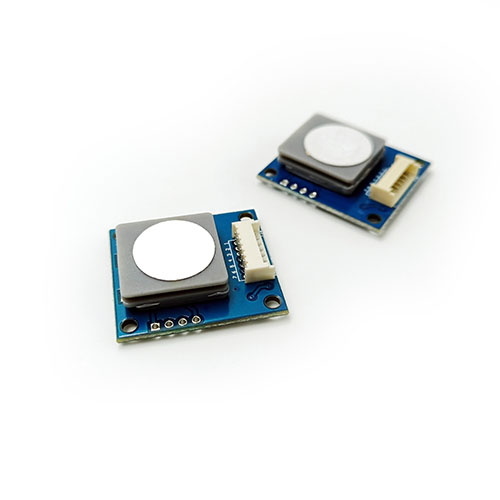
Formaldehyde sensors operate by detecting and measuring the concentration of HCHO molecules in the air and converting this data into an electrical signal. The most common sensing technologies include electrochemical sensors, semiconductor gas sensors, and photoionization detectors (PID), each offering different levels of accuracy, sensitivity, and cost efficiency.
Electrochemical formaldehyde sensors use chemical reactions between formaldehyde molecules and an electrode surface. When formaldehyde comes into contact with the sensor, it triggers an electrochemical reaction that generates an electrical current proportional to the gas concentration. These sensors are known for their relatively high accuracy and stability.
Metal oxide semiconductor (MOS) sensors detect formaldehyde through changes in electrical resistance. When formaldehyde gas interacts with the sensor's sensitive material, it alters the conductivity of the surface. These sensors are widely used in consumer air quality devices due to their low cost and compact design, although they may be affected by temperature and humidity variations.
PID sensors use ultraviolet light to ionize formaldehyde molecules, producing charged particles that generate a measurable electrical current. These sensors are highly sensitive and are often used in industrial and environmental monitoring applications where precise detection is required.
Modern formaldehyde sensors are evolving rapidly due to advancements in microelectronics, IoT connectivity, and data analytics. Today's devices are more compact, energy-efficient, and intelligent compared to earlier generations.
Key features include:
- High sensitivity and fast response time
- Real-time air quality monitoring
- Low power consumption for portable devices
- Digital output compatibility for smart systems
- Long service life with improved stability
- Multi-gas detection capabilities in advanced models
- Wireless connectivity for remote monitoring
Many modern systems integrate formaldehyde sensors with temperature, humidity, and particulate matter (PM2.5) sensors to provide a comprehensive indoor air quality assessment.
Formaldehyde sensors are widely used across residential, commercial, and industrial environments. Their ability to detect harmful gas concentrations in real time makes them a critical component of air quality control systems.
In residential environments, formaldehyde sensors are commonly integrated into smart air purifiers, HVAC systems, air quality monitors, and smart thermostats. These devices continuously monitor indoor air conditions and provide real-time feedback to users.
When elevated formaldehyde levels are detected, smart systems can automatically activate ventilation, increase air purification levels, or send alerts to homeowners via mobile applications. This helps improve indoor comfort and reduces exposure to harmful pollutants.
The rise of smart home ecosystems and IoT-enabled devices has significantly increased demand for compact and affordable formaldehyde sensors. Consumers are becoming more aware of indoor air quality, especially in newly renovated homes where formaldehyde emissions from furniture and building materials are more common.
In commercial buildings such as offices, shopping malls, schools, hospitals, and hotels, formaldehyde sensors play an important role in centralized HVAC (Heating, Ventilation, and Air Conditioning) systems.
By continuously monitoring indoor air quality, these sensors allow HVAC systems to adjust ventilation rates dynamically based on actual pollutant levels. This ensures a healthier indoor environment while optimizing energy consumption.
For example, during periods of low occupancy, ventilation systems can reduce airflow to save energy. When formaldehyde levels increase due to cleaning activities, renovations, or high occupancy, the system can automatically increase fresh air intake.
This balance between air quality and energy efficiency has made formaldehyde sensors an essential part of modern green building design and smart infrastructure development.
In industrial environments, formaldehyde sensors are critical for occupational health and safety management. Industries such as furniture manufacturing, textile production, resin processing, chemical production, and paper manufacturing often use formaldehyde-based compounds in their production processes.
Workers in these environments may be exposed to harmful concentrations if proper ventilation and monitoring systems are not in place. Formaldehyde sensors help ensure compliance with workplace safety regulations by continuously tracking gas levels and triggering alarms when concentrations exceed safe thresholds.
Industrial-grade sensors are typically designed for high durability, long-term stability, and resistance to harsh environmental conditions. They are often integrated into centralized monitoring systems that provide real-time data to safety managers.
Formaldehyde sensors are also increasingly used in outdoor environmental monitoring systems and smart city infrastructure. Governments and environmental agencies deploy sensor networks to track air pollution levels in urban areas.
These systems help identify pollution sources, monitor air quality trends, and support public health initiatives. Data collected from formaldehyde sensors can be integrated into larger environmental analytics platforms, contributing to more effective policy-making and urban planning.
Several key trends are driving the expansion of the formaldehyde sensor market globally.
Consumers are becoming increasingly aware of the health risks associated with indoor air pollution. Studies show that indoor air can sometimes be more polluted than outdoor air due to the accumulation of volatile organic compounds (VOCs), including formaldehyde.
This awareness is driving demand for air quality monitoring devices in homes, schools, and workplaces.
The rapid expansion of smart home ecosystems is another major driver. Formaldehyde sensors are now commonly integrated into smart air purifiers, connected HVAC systems, and IoT-based environmental monitoring devices.
As smart home adoption continues to grow, demand for compact, low-cost, and connected sensors is expected to increase significantly.
Governments around the world are implementing stricter regulations on indoor air quality and industrial emissions. Standards related to formaldehyde exposure limits in workplaces and residential environments are becoming more stringent.
This regulatory pressure is encouraging industries to adopt advanced monitoring systems to ensure compliance and avoid penalties.
Green building certification programs such as LEED and WELL emphasize indoor air quality as a key performance indicator. Buildings that meet strict air quality standards often require continuous monitoring systems, including formaldehyde sensors.
This trend is driving adoption in commercial real estate and construction industries.
The formaldehyde sensor industry is experiencing rapid technological innovation.
Advances in microfabrication technology have enabled the development of smaller, more energy-efficient sensors suitable for portable and wearable devices.
Many modern sensors now feature wireless communication capabilities such as Wi-Fi, Bluetooth, and Zigbee, allowing real-time data transmission to cloud platforms and mobile applications.
AI-powered air quality systems can analyze sensor data to predict pollution trends, optimize ventilation strategies, and provide personalized recommendations for users.
Formaldehyde sensors are increasingly being combined with other environmental sensors, including CO2, temperature, humidity, and particulate matter sensors, to provide a more complete air quality profile.
Despite strong growth, the formaldehyde sensor industry faces several challenges.
Maintaining long-term accuracy remains a challenge, especially for low-cost semiconductor sensors that may drift over time.
Temperature, humidity, and other volatile organic compounds can affect sensor performance and lead to measurement inaccuracies.
High-precision sensors such as PID and electrochemical types tend to be more expensive, limiting their use in mass-market consumer devices.
Lack of unified global standards for indoor air quality measurement can lead to inconsistencies in sensor performance and reporting.
The future of formaldehyde sensors is closely linked to the development of smart environments, IoT ecosystems, and sustainable building technologies.
In the coming years, sensors are expected to become more accurate, affordable, and widely integrated into everyday devices. The combination of AI, cloud computing, and advanced materials will further enhance performance and reliability.
As global demand for healthier indoor environments continues to rise, formaldehyde sensors will play an increasingly important role in protecting public health and supporting sustainable urban development.
Formaldehyde sensors have become a critical technology in modern air quality monitoring systems. From residential smart homes to industrial safety applications and environmental monitoring networks, these devices provide essential protection against harmful gas exposure.
Driven by rising health awareness, regulatory pressure, and smart technology integration, the formaldehyde sensor industry is experiencing strong global growth. Although challenges such as accuracy, calibration, and cost remain, continuous innovation is rapidly improving sensor performance.
As indoor air quality becomes a top priority worldwide, formaldehyde sensors will remain a key component in building safer, smarter, and more sustainable living and working environments.
Previous: Different Types of Sensors and Their Industrial Applications
Next: How Air Quality Monitoring Sensors Improve Indoor Air Quality and Safety