

In recent years, concerns about indoor air quality (IAQ) have grown significantly, driven by increasing awareness of environmental health, stricter building codes, and rising industrial safety standards. One of the most critical tools in maintaining and monitoring IAQ is the TVOC detection sensor, which measures Total Volatile Organic Compounds in the environment. TVOCs include a wide range of organic chemical compounds such as aldehydes, alkanes, alkenes, and aromatic hydrocarbons like benzene, which are emitted from paints, adhesives, cleaning agents, industrial processes, and even everyday household materials.
TVOC detection sensors provide accurate, real-time monitoring of these pollutants, helping industries, commercial buildings, and residential environments ensure safety, regulatory compliance, and healthy living conditions. With rapid technological advancements, these sensors are becoming more compact, energy-efficient, and connected, aligning with the broader trends of smart buildings and industrial automation.
Total Volatile Organic Compounds (TVOCs) are a collective measure of multiple organic compounds present in the air. While individual VOCs vary in chemical composition, they share common characteristics: they are volatile at room temperature, can easily evaporate, and are often colorless. Common sources include:
- Building materials (e.g., paints, coatings, adhesives)
- Household products (e.g., cleaning chemicals, air fresheners)
- Industrial emissions (e.g., chemical plants, oil refineries)
- Combustion processes (e.g., vehicle exhaust, cooking fumes)
Exposure to elevated TVOC levels can result in short-term effects such as headaches, eye irritation, nausea, and respiratory discomfort. Long-term exposure is linked to more severe health risks, including liver and kidney damage, neurological disorders, and even certain cancers. Consequently, monitoring TVOCs is vital in both industrial settings and indoor environments.
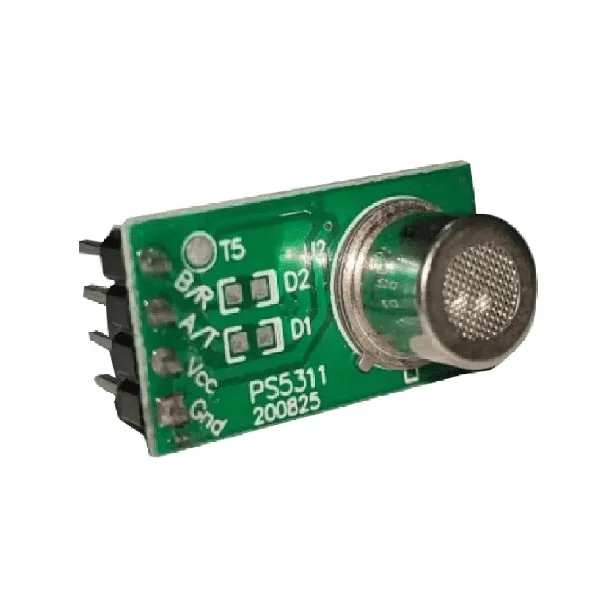
TVOC detection plays a critical role in multiple areas:
- Workplace Safety: Industrial facilities rely on TVOC sensors to prevent hazardous exposure to employees, ensuring compliance with occupational health standards.
- Indoor Air Quality Monitoring: Schools, hospitals, and residential buildings use TVOC sensors to maintain safe environments, reducing health risks from chronic VOC exposure.
- Regulatory Compliance: Many countries have standards for indoor air quality, including limits for TVOC concentrations. Sensors help facilities adhere to these regulations.
- Smart Building Integration: Modern HVAC and air purification systems integrate TVOC sensors to automatically adjust ventilation, filtration, and environmental controls.
TVOC detection sensors employ several sensing technologies to identify and quantify volatile organic compounds in the air. The choice of technology depends on factors such as sensitivity, response time, operating environment, and cost. Common types include:
MOS sensors detect TVOCs by measuring changes in electrical resistance on a metal oxide surface when VOCs are present. Key features include:
- High sensitivity to a broad range of VOCs
- Low cost and compact design
- Long operational life
However, MOS sensors can be influenced by temperature, humidity, and cross-sensitivity to other gases, which may require calibration for accurate results.
PID sensors use ultraviolet light to ionize VOC molecules, producing a measurable current proportional to the TVOC concentration. Advantages include:
- High accuracy and fast response
- Capability to detect very low concentrations (ppb levels)
- Suitable for industrial safety and environmental monitoring
PIDs are widely used in chemical plants, laboratories, and industrial leak detection.
Electrochemical sensors generate a current when VOCs undergo a chemical reaction at the sensor electrode. Benefits include:
- Excellent selectivity for specific VOCs
- Low power consumption
- Reliable long-term stability
They are commonly used in HVAC systems, indoor air purifiers, and wearable air quality monitors.
Advanced TVOC detection solutions also utilize infrared or photoacoustic technologies, which measure the absorption of light by gas molecules. These methods provide high precision and stability, particularly in harsh industrial environments.
With rising awareness of indoor air pollution, homeowners are increasingly adopting TVOC detection sensors to safeguard their families. Smart home systems integrate these sensors into air purifiers, HVAC units, and IoT platforms, allowing real-time monitoring via smartphones or home automation dashboards. Benefits include:
- Detecting off-gassing from furniture, paints, or cleaning products
- Automatically adjusting air purification systems
- Ensuring safe indoor environments for children and elderly residents
Schools, hospitals, and office buildings are highly sensitive to air quality concerns. High TVOC levels can impact cognitive function, cause sick building syndrome, and trigger health complaints among occupants. Integrating TVOC detection sensors in building management systems (BMS) helps:
- Monitor indoor air continuously
- Optimize HVAC operations for energy efficiency
- Reduce absenteeism and improve occupant productivity
In industrial environments, TVOCs can pose severe risks to worker health and safety, as well as create fire or explosion hazards. Applications include:
- Chemical Manufacturing: Continuous monitoring of VOC emissions from production lines
- Oil & Gas: Detecting leaks and preventing toxic exposure in refineries
- Pharmaceutical Industry: Ensuring cleanroom environments meet stringent air quality standards
TVOC detection sensors in these applications often feature ruggedized designs, explosion-proof housings, and compatibility with SCADA or industrial IoT platforms.
TVOC sensors are increasingly integrated into environmental monitoring networks to track urban air pollution and inform public health initiatives. They contribute to:
- Real-time city-wide air quality data collection
- Early warnings for industrial emissions or wildfire smoke
- Smart traffic and ventilation control systems to reduce public exposure
The TVOC sensor market has experienced rapid technological progress, making modern devices more efficient, precise, and versatile:
- Miniaturization: Compact sensors enable deployment in portable monitors, smartphones, wearable devices, and drones.
- IoT Connectivity: Sensors can transmit real-time data to cloud platforms, enabling remote monitoring and AI-driven analytics.
- Improved Selectivity: Advanced calibration algorithms allow differentiation between specific VOCs, reducing false alarms.
- Low Power Consumption: Essential for battery-operated devices, especially in portable air quality monitors and smart home systems.
- Integration with AI and Predictive Analytics: AI-enabled systems can predict potential indoor air quality issues and recommend corrective actions.
These advancements make TVOC detection sensors not only safer and more reliable but also key enablers of smart building and industrial automation initiatives.
The global TVOC detection sensor market is poised for substantial growth, driven by rising awareness of indoor air quality, stricter environmental regulations, and increased adoption of smart home and industrial IoT solutions.
According to industry reports, demand is highest in:
- Residential Air Purification: As urban pollution increases, households are investing in smart air quality monitoring.
- Industrial Safety Equipment: Regulatory mandates in chemical, oil, and pharmaceutical industries drive widespread adoption.
- Commercial Buildings and Offices: Enhanced air quality improves occupant health, productivity, and compliance with green building certifications.
- North America and Europe: Leading adoption of advanced TVOC sensors, driven by stringent indoor air quality standards and smart building initiatives.
- Asia-Pacific: Rapid urbanization, industrial growth, and rising consumer awareness are fueling market expansion in China, Japan, and India.
- Emerging Markets: Latin America and the Middle East show increasing demand for affordable air quality solutions.
Major manufacturers are focusing on:
- Developing high-precision, multi-gas detection sensors
- Creating integrated IoT solutions for smart homes and industrial facilities
- Offering low-cost, portable options for consumer markets
Emerging innovations include wearable TVOC monitors, drone-based environmental monitoring, and integration with AI-driven air purification systems.
Despite technological advancements, the TVOC sensor industry faces challenges:
- Cross-Sensitivity: Some sensors may respond to non-target gases, requiring careful calibration.
- Environmental Interference: Humidity, temperature, and dust can affect accuracy.
- Standardization: Different countries have varying guidelines and units of measurement for TVOCs.
- Cost vs. Accuracy: High-precision sensors often come at a premium, limiting adoption in budget-sensitive markets.
Ongoing research focuses on overcoming these limitations, developing robust sensors with better selectivity, accuracy, and environmental resistance.
The future of TVOC detection sensors looks promising, with integration into broader environmental and industrial monitoring systems. Key trends shaping the market include:
- Smart Buildings: Widespread adoption of automated air quality management systems that adjust HVAC and filtration based on TVOC levels.
- Predictive Maintenance: Integration of TVOC sensors into industrial systems to predict chemical leaks and equipment malfunctions.
- Sustainable Development: Sensor data will support regulatory compliance and green building certifications.
- Consumer Health Awareness: Growth of wearable air quality monitors and portable home devices to empower individuals in managing personal exposure.
As environmental health becomes a global priority, TVOC sensors will play an increasingly critical role in creating safer, healthier, and smarter living and working environments.
TVOC detection sensors are transforming indoor air quality monitoring, industrial safety, and environmental management. By combining advanced sensing technologies with IoT connectivity, AI-driven analytics, and smart automation, these sensors provide real-time, actionable insights into volatile organic compound concentrations.
From industrial facilities to residential homes, TVOC sensors are now essential tools for ensuring safety, improving health outcomes, and complying with regulatory standards. With ongoing technological advancements and growing market demand, the TVOC detection sensor industry is poised for sustained growth, innovation, and global impact.
As awareness of air quality continues to rise, integrating TVOC detection sensors into smart homes, workplaces, and industrial systems will not only enhance human health but also drive the next generation of environmentally conscious building and industrial practices.
Previous: How IoT Sensors Are Transforming Air Quality Management
Next: Formaldehyde (HCHO) Sensors: Ensuring Safe Indoor Air Quality



