

Air pollution has become one of the most pressing global environmental challenges of the modern era. Rapid urbanization, industrial expansion, transportation emissions, and household chemical usage have significantly increased the concentration of airborne pollutants in both outdoor and indoor environments. As a result, governments, environmental agencies, and health organizations worldwide are placing greater emphasis on continuous air quality monitoring and data-driven environmental management.
In this context, the air quality monitor industry has experienced rapid growth and technological transformation. What was once a simple measurement tool has now evolved into a sophisticated smart sensing system capable of real-time data collection, cloud connectivity, automated control, and integration with intelligent building systems.
Today's air quality monitors are not only used for observation but also for prevention, automation, and health optimization. They are becoming essential components in residential homes, office buildings, schools, hospitals, factories, and smart city infrastructure.
An air quality monitor is an electronic device designed to detect and measure the concentration of pollutants and environmental conditions in the air. It provides continuous, real-time feedback on indoor or outdoor air quality, helping users understand potential health risks and take corrective actions.
Modern air quality monitors typically measure a wide range of environmental indicators, including:
- Particulate Matter (PM2.5, PM10)
- Carbon Dioxide (CO₂)
- Volatile Organic Compounds (VOCs)
- Temperature
- Humidity
- Air pressure (in advanced systems)
- Formaldehyde (HCHO) in some models
By collecting and analyzing these data points, air quality monitors offer a comprehensive overview of air conditions in real time. Unlike traditional testing methods that require laboratory analysis or delayed results, modern monitors provide instant feedback, enabling immediate decision-making.
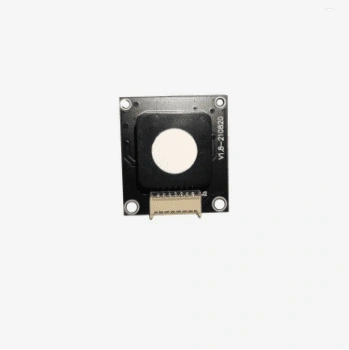
The air quality monitoring industry has undergone a significant transformation over the past decade. Early-generation devices were primarily limited to basic particulate detection and required manual reading. However, technological advancements in sensors, microprocessors, and wireless communication have completely reshaped the industry.
Key Technological Milestones:
- Transition from analog sensors to digital multi-sensor systems
- Introduction of laser-based particle detection technology
- Integration of Wi-Fi, Bluetooth, and IoT connectivity
- Cloud-based data storage and analytics
- Mobile application control and visualization
- AI-powered predictive air quality modeling
These developments have made air quality monitoring more accurate, accessible, and intelligent than ever before.
One of the most important trends in the industry is the emergence of Smart Indoor Air Quality (IAQ) monitors. These devices act as comprehensive environmental management tools rather than simple sensors.
Smart IAQ monitors function like a "digital health tracker" for indoor environments. They continuously collect data and present it in real time through:
- LCD or LED display screens
- Mobile applications (iOS and Android)
- Cloud dashboards for remote access
- Integration with smart home ecosystems
- Core Advantages of Smart IAQ Systems
Smart air quality monitors offer several advantages over traditional systems:
- Continuous 24/7 monitoring of multiple pollutants
- Wireless communication and remote access
- Real-time alerts and notifications
- Integration with HVAC and air purification systems
- Historical data tracking and trend analysis
- Energy-efficient automation capabilities
This evolution has significantly improved how individuals and organizations manage indoor environments.
Particulate matter is one of the most dangerous components of air pollution. PM2.5 particles, which are smaller than 2.5 micrometers, can penetrate deep into the lungs and even enter the bloodstream.
Common sources include:
- Vehicle exhaust emissions
- Industrial smoke
- Construction dust
- Wildfires
- Cooking activities
- Burning of fossil fuels
Long-term exposure to particulate matter is associated with respiratory diseases, cardiovascular problems, and reduced lung function.
VOCs are gases emitted from a wide variety of products and materials commonly found indoors.
Sources include:
- Paints and varnishes
- Cleaning products
- Adhesives and sealants
- Furniture and building materials
- Air fresheners and aerosols
Exposure to high levels of VOCs may cause headaches, dizziness, irritation, and long-term health risks. Air quality monitors help detect VOC buildup early, allowing timely ventilation or filtration.
CO₂ levels are a critical indicator of indoor ventilation efficiency. While carbon dioxide is naturally present in the air, elevated concentrations indoors can signal poor airflow.
When CO₂ exceeds approximately 1,000 ppm, occupants may experience:
- Reduced concentration
- Fatigue and drowsiness
- Decreased cognitive performance
- Discomfort in enclosed spaces
Air quality monitors help maintain optimal ventilation levels, improving comfort and productivity.
Temperature and humidity significantly influence indoor comfort and air quality perception.
- High humidity can encourage mold growth and dust mites
- Low humidity can cause dry skin, eye irritation, and respiratory discomfort
- Extreme temperatures affect HVAC system efficiency
Monitoring these conditions ensures a stable and healthy indoor environment.
One of the most significant advancements in air quality monitoring is its integration with smart building and automation systems.
Modern air quality monitors can communicate directly with:
- HVAC systems
- Air purifiers
- Ventilation fans
- Smart thermostats
- Building management systems (BMS)
- IoT platforms
Examples of Automated Control:
- Activating air purifiers when PM2.5 levels rise
- Increasing ventilation when CO₂ exceeds safe thresholds
- Adjusting HVAC operation based on humidity changes
- Sending alerts to facility managers or homeowners
This automation allows buildings to respond dynamically to environmental changes without manual intervention.
Air quality monitoring is generally divided into two categories: indoor air quality (IAQ) and outdoor air quality (OAQ).
Outdoor monitoring systems are widely used by governments and environmental agencies to track regional pollution levels. Key pollution sources include:
- Industrial emissions
- Vehicle exhaust
- Wildfires
- Dust storms
- Urban smog
These systems provide data for public health warnings, environmental policy development, and pollution control strategies.
Indoor environments often contain concentrated pollutants due to limited ventilation and indoor emission sources.
Common indoor pollutants include:
- Cooking fumes
- Cleaning chemicals
- Tobacco smoke
- Building materials
- Furniture emissions
Since people spend more than 80% of their time indoors, IAQ monitoring is critical for long-term health.
Indoor air quality is closely connected to outdoor environmental conditions, making external air pollution an important factor in maintaining healthy indoor spaces. Pollutants such as vehicle emissions, industrial smoke, pollen, and wildfire particles can easily enter buildings through open windows, doors, and ventilation systems. When outdoor air quality is poor, it may be better to keep windows closed and rely on filtered HVAC systems or air purifiers to reduce indoor contamination.
On the other hand, when outdoor air is fresh and clean, natural ventilation can significantly improve indoor air circulation, lower carbon dioxide levels, and remove trapped pollutants generated indoors. This creates a healthier and more comfortable living or working environment.
Modern HVAC filtration systems must carefully balance outdoor air intake with purification efficiency. Air quality monitors provide real-time data that helps users decide when to open windows, increase ventilation, or activate filtration systems for the best indoor air quality results.
The widespread adoption of air quality monitors has contributed to significant improvements in public health awareness.
Early detection of pollutants helps reduce exposure to harmful particles that cause asthma, bronchitis, and other respiratory conditions.
Maintaining optimal CO₂ and oxygen levels improves concentration, productivity, and mental clarity.
Stable temperature, humidity, and air purity contribute to better sleep cycles and recovery.
Monitoring airborne irritants helps reduce allergy triggers and environmental sensitivities.
Air quality monitoring systems are now widely deployed across multiple sectors:
Homeowners use IAQ monitors to maintain healthy living conditions and protect family members.
Businesses deploy air quality systems to enhance employee comfort and productivity.
Hospitals require strict air quality control to ensure patient safety and prevent contamination.
Schools and universities use monitoring systems to maintain safe learning environments.
Factories use air quality monitoring for regulatory compliance and worker protection.
The global air quality monitoring market is expanding rapidly due to several key drivers:
- Increasing urban air pollution
- Rising health awareness
- Government environmental regulations
- Growth of smart home ecosystems
- Expansion of IoT and AI technologies
Future Industry Trends:
- AI-driven predictive air quality analytics
- Miniaturized wearable air sensors
- Fully integrated smart building ecosystems
- Renewable energy-powered monitoring systems
- Real-time global air quality networks
These trends indicate that air quality monitoring will become increasingly intelligent, interconnected, and automated.
Air quality monitors have evolved into essential tools for modern environmental management and public health protection. By delivering real-time insights into indoor and outdoor pollution levels, these devices empower users to take immediate and informed action.
With the integration of IoT, AI, and smart automation technologies, air quality monitoring is transitioning from passive measurement to active environmental control. This shift is transforming homes, offices, and cities into healthier, more intelligent living spaces.
As air pollution challenges continue to grow worldwide, air quality monitors will remain a key technology in building a safer, healthier, and more sustainable future.
Previous: Smart Air Purifier Sensors Driving Efficient Air Quality Control
Next: How Indoor PM2.5 Dust Sensors Enhance Health, Safety, and Air Purification Systems



