

Indoor air quality has become a critical concern in modern society as people spend the majority of their time inside homes, offices, and commercial buildings. Studies indicate that individuals typically spend 80% to 90% of their time indoors, where air pollution levels can be significantly higher than those found outdoors. Common indoor pollutants such as dust, mold spores, volatile organic compounds (VOCs), smoke, and allergens pose serious risks to human health, contributing to respiratory diseases, allergies, and long-term conditions such as asthma.
As awareness of these risks continues to grow, the demand for effective air purification solutions has surged. Air purifiers have emerged as essential devices for improving indoor environments by removing harmful particles and gases. However, the effectiveness of these systems depends heavily on the accuracy and responsiveness of the sensors integrated within them.
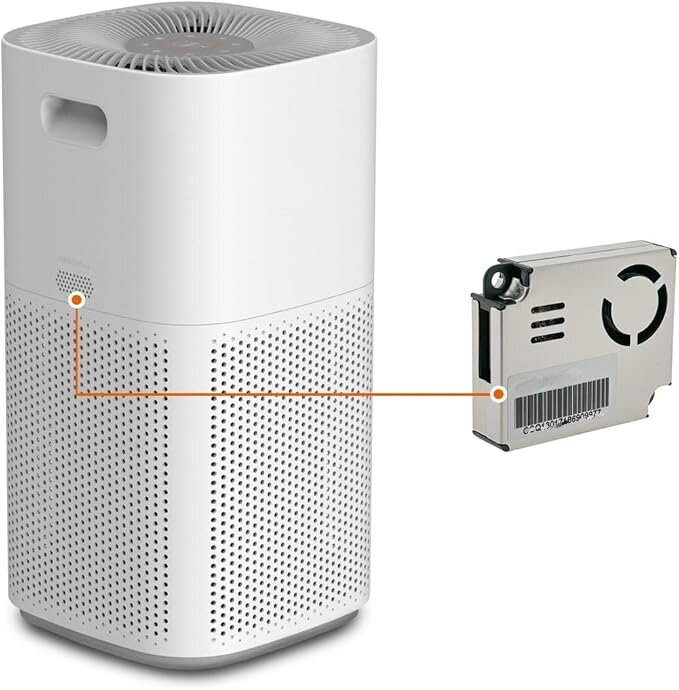
Air purifier sensors play a crucial role in detecting air quality parameters in real time, enabling intelligent control of purification systems. By continuously monitoring pollutants and environmental conditions, these sensors ensure that air purifiers operate efficiently and effectively. This article explores the importance of air purifier sensors, their working principles, types, applications, technological advancements, and future trends shaping the air quality monitoring industry.
Indoor air pollution is often invisible yet highly impactful. Everyday activities such as cooking, cleaning, and the use of household products release pollutants into the air. Additionally, external pollutants can infiltrate indoor spaces through ventilation systems, windows, and doors.
Poor indoor air quality can lead to a wide range of health issues, including:
- Respiratory irritation and infections
- Allergic reactions
- Headaches and fatigue
- Reduced cognitive performance
- Chronic conditions such as asthma
Monitoring indoor air quality is therefore essential for maintaining a healthy living environment. Air purifier sensors provide the necessary data to assess air conditions and trigger appropriate purification responses. Without accurate sensing, air purifiers would operate blindly, leading to inefficient performance and increased energy consumption.
Air purifier sensors are electronic components designed to detect and measure various air quality parameters. These sensors are integrated into air purification systems to monitor pollutant levels and environmental conditions in real time.
Based on sensor data, the air purifier can automatically adjust its operation, such as fan speed or filtration intensity, to maintain optimal air quality. This intelligent functionality not only enhances purification efficiency but also reduces energy usage and extends filter life.
Modern air purifier sensors are capable of detecting a wide range of pollutants, including:
- Particulate matter (PM2.5 and PM10)
- Volatile organic compounds (VOCs)
- Formaldehyde (HCHO)
- Carbon dioxide (CO₂)
- Nitrogen oxides (NOx)
- Humidity and temperature
These sensors form the backbone of smart air purification systems, enabling precise and adaptive air quality management.
Air purifier systems typically incorporate multiple sensor types to provide comprehensive air quality monitoring. Each sensor is designed to detect specific pollutants or environmental factors.
Particulate matter (PM) sensors measure the concentration of airborne particles such as dust, pollen, smoke, and fine particulate matter. These sensors commonly use laser scattering technology, where a light beam detects particles passing through the sensor chamber.
PM2.5 sensors are particularly important, as fine particles can penetrate deep into the lungs and bloodstream, posing significant health risks.
Volatile organic compounds are emitted from household products such as paints, cleaning agents, and furniture. VOC sensors typically use metal oxide semiconductor (MOS) technology to detect changes in air composition caused by these gases.
These sensors are essential for identifying harmful chemical pollutants that may not be visible or easily detectable by humans.
Formaldehyde is a toxic gas commonly found in building materials and household products. Dedicated formaldehyde sensors provide high sensitivity and accuracy, ensuring safe indoor environments.
Carbon dioxide sensors monitor indoor ventilation levels. Elevated CO₂ concentrations can indicate poor air circulation, leading to discomfort and reduced cognitive performance.
Nitrogen oxides are pollutants generated by combustion processes, such as cooking or heating systems. NOx sensors help detect these gases and ensure effective removal through air purification.
Temperature and humidity sensors are also integrated into air purifiers to provide additional context for air quality management. Maintaining optimal humidity levels can prevent mold growth and improve overall comfort.
Air purifier sensors operate by detecting physical or chemical changes in the surrounding air and converting these changes into electrical signals. These signals are then processed by the air purifier's control system to determine appropriate actions.
For example, when a particulate matter sensor detects an increase in dust concentration, it sends a signal to the control unit. The air purifier responds by increasing fan speed or activating additional filtration stages to remove pollutants more quickly.
Similarly, VOC sensors detect chemical changes in the air and trigger purification processes to eliminate harmful gases. Advanced systems use algorithms to analyze sensor data and optimize performance in real time.
The integration of multiple sensors allows for comprehensive monitoring and ensures that air purifiers respond accurately to changing environmental conditions.
Sensors are essential for achieving high performance in air purification systems. Their key roles include:
Continuous monitoring enables air purifiers to respond immediately to changes in air quality, ensuring a clean and safe environment.
Sensor data allows for automatic adjustment of operating parameters, such as fan speed and filtration intensity, improving efficiency and convenience.
By operating only when needed, sensor-driven systems reduce energy consumption and extend the lifespan of filters.
Many air purifiers display air quality data through indicators or mobile applications, providing users with real-time insights into their indoor environment.
Air purifier sensors are widely used across various environments:
In homes, sensors help maintain clean air by detecting pollutants generated from daily activities. They are particularly beneficial for households with children, elderly individuals, or people with respiratory conditions.
Offices, retail stores, and hospitality venues use air purifier sensors to ensure a comfortable and healthy environment for occupants.
Hospitals and clinics require strict air quality control to prevent the spread of infections. Sensors play a critical role in maintaining sterile environments.
In industrial settings, air quality monitoring helps protect workers from harmful pollutants and ensures compliance with environmental regulations.
The field of air purifier sensors is rapidly evolving, driven by advancements in electronics and digital technologies.
Modern sensors are becoming smaller and more compact, allowing for integration into a wide range of devices without compromising performance.
Advances in sensing technology have significantly enhanced measurement accuracy, enabling more precise air quality monitoring.
Modern air purifiers are equipped with Wi-Fi or Bluetooth connectivity, enabling users to remotely monitor and control indoor air quality through dedicated mobile applications in real time.
AI-powered systems can analyze sensor data to predict air quality trends and optimize purification strategies automatically.
The global market for air purifier sensors is experiencing strong growth, driven by increasing awareness of air pollution and health concerns.
Rising Demand for Smart Homes
The adoption of smart home technologies is fueling demand for intelligent air purification systems equipped with advanced sensors.
Urbanization and Pollution
Rapid urbanization and industrialization have led to higher pollution levels, increasing the need for effective air quality monitoring solutions.
Regulatory Standards
Governments worldwide are implementing stricter air quality regulations, encouraging the use of monitoring and purification technologies.
Despite significant advancements, several challenges remain:
- Calibration and accuracy: Ensuring consistent performance over time requires regular calibration.
- Cost considerations: High-quality sensors can increase the overall cost of air purifiers.
- Environmental factors: Temperature and humidity variations can affect sensor performance.
Manufacturers are continuously working to address these challenges through innovation and improved design.
The future of air purifier sensors is promising, with ongoing developments expected to further enhance their capabilities.
- Integration with Internet of Things (IoT) platforms for seamless connectivity
- Development of multi-functional sensors capable of detecting multiple pollutants simultaneously
- Increased use of machine learning for predictive air quality management
- Focus on sustainability and energy-efficient designs
As technology continues to advance, air purifier sensors will play an increasingly important role in creating healthier indoor environments.
Air purifier sensors are at the heart of modern air quality management systems, enabling accurate detection of pollutants and intelligent control of purification processes. By providing real-time data and adaptive functionality, these sensors ensure efficient operation and improved indoor air quality.
With growing awareness of the importance of clean air and advancements in sensor technology, the demand for intelligent air purification systems is set to rise. Air purifier sensors will continue to evolve, driving innovation and supporting healthier living environments worldwide.
Previous: How to Choose the Best Air Quality Monitor: Complete Buying Guide
Next: Air Quality Monitor for Indoor Air Quality and Smart Living



