

Smoke detection sensors have become an indispensable component of modern fire protection systems, playing a critical role in safeguarding lives, infrastructure, and industrial operations. As urbanization accelerates and buildings become more complex, the need for reliable and intelligent fire detection technologies continues to grow. A smoke detection sensor is specifically designed to identify the early presence of fire by detecting microscopic particles generated during combustion, enabling rapid response before a fire escalates into a major disaster.
Traditionally, smoke detectors were simple standalone devices installed in residential spaces. However, today's systems are highly sophisticated, integrating advanced sensing technologies, wireless communication, and smart analytics. These innovations have significantly enhanced detection accuracy, reduced false alarms, and enabled seamless integration with broader safety and automation systems.
This article provides an in-depth exploration of smoke detection sensors, including their working principles, types, applications, technological advancements, regulatory frameworks, challenges, and future industry trends.
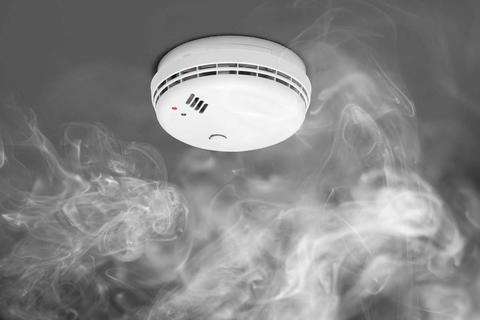
At the most basic level, smoke detection sensors function by identifying airborne particles that are released during the combustion process. These particles, often invisible in the early stages of a fire, can serve as the earliest indicators of danger.
Inside a smoke detector, a sensing chamber continuously monitors the air. When smoke particles enter this chamber, they interact with the sensor's detection mechanism—either by scattering light or disrupting an electrical current. Once a deviation from normal conditions is detected, the system triggers an alarm or sends a signal to a control panel.
Modern smoke detection systems are designed to strike a delicate balance between sensitivity and reliability. Excessive sensitivity can lead to false alarms, while insufficient sensitivity may delay detection. Advanced designs now incorporate signal processing algorithms and environmental compensation features to optimize performance under varying conditions.
Photoelectric smoke detectors are highly effective in identifying smoldering fires, which are characterized by slow combustion and significant smoke generation before flames appear. These fires commonly originate from materials such as upholstered furniture, mattresses, electrical insulation, and overheated wiring.
The operating principle of photoelectric detection is based on light scattering. Within the detector, a light source—typically a low-power LED—emits a beam across a sensing chamber. Under normal conditions, the light travels in a straight line and does not reach the sensor.
When smoke enters the chamber, the particles scatter the light in different directions. Some of this scattered light reaches the sensor, which then triggers the alarm. This mechanism allows for early detection of fires that might otherwise remain unnoticed until smoke levels become hazardous.
Photoelectric detectors are widely recommended for residential use, particularly in bedrooms, living rooms, and hallways, due to their ability to detect slow-developing fires and reduce nuisance alarms caused by cooking.
Ionization smoke detectors are designed to respond rapidly to fast-flaming fires. These fires produce smaller combustion particles and spread quickly, often resulting from flammable liquids, paper, or grease.
The core of an ionization detector is a small chamber containing a radioactive element, typically americium-241, positioned between two electrically charged plates. This radioactive source ionizes the air, creating a steady flow of ions and allowing a small electrical current to pass through the chamber.
When smoke particles enter the chamber, they attach to the ions, reducing their mobility and disrupting the electrical current. The detector senses this drop in current and activates the alarm almost instantly.
Ionization detectors are particularly effective in environments where rapid fire development is a concern. However, they can be more prone to false alarms caused by cooking fumes or steam, which has led to increased adoption of alternative technologies in residential applications.
Dual-sensor smoke detectors combine both photoelectric and ionization technologies into a single unit, providing comprehensive fire detection capabilities. By leveraging the strengths of both methods, these detectors can effectively identify a wide range of fire scenarios, from slow-smoldering to fast-flaming events.
This dual approach significantly enhances detection reliability and reduces the likelihood of missed alarms. As a result, dual-sensor detectors are commonly used in commercial buildings, healthcare facilities, educational institutions, and industrial environments where fire risks vary.
Although they come at a higher cost compared to single-technology detectors, the added level of protection and versatility often justifies the investment.
Beyond traditional technologies, the industry is increasingly adopting multi-criteria smoke detectors. These advanced devices combine multiple sensing elements, such as smoke, heat, carbon monoxide, and infrared detection, into a single platform.
By analyzing data from multiple sources, these detectors can differentiate between actual fire conditions and non-threatening environmental factors, significantly reducing false alarms. Multi-criteria systems are particularly valuable in complex environments such as data centers, clean rooms, and industrial facilities.
Smoke detection sensors are used across a wide range of sectors, each with unique requirements and challenges.
In homes and apartments, smoke detectors are essential for early fire warning, especially during nighttime when occupants are asleep. Regulations in many countries mandate their installation in key areas such as bedrooms, hallways, and kitchens.
Smart home integration has further enhanced residential safety, allowing homeowners to receive alerts on their smartphones and remotely monitor their systems.
In commercial environments such as offices, shopping malls, hotels, and hospitals, smoke detection systems are typically part of a comprehensive fire safety infrastructure. These systems are integrated with fire alarms, emergency lighting, sprinkler systems, and evacuation protocols.
Advanced addressable systems allow building managers to pinpoint the exact location of a fire, enabling faster response and minimizing disruption.
Industrial settings present unique fire risks due to the presence of flammable materials, high temperatures, and complex machinery. Smoke detection sensors in these environments must be highly durable and capable of operating under harsh conditions.
Applications include oil and gas plants, chemical processing facilities, power generation stations, and manufacturing units. In such settings, early detection is critical to preventing catastrophic damage and ensuring operational continuity.
Smoke detection systems are also widely used in transportation networks, including airports, railway stations, tunnels, and marine vessels. These environments require highly reliable detection systems due to high occupancy levels and limited evacuation routes.
The smoke detection industry has witnessed significant technological advancements in recent years, driven by the need for greater accuracy, connectivity, and automation.
Modern smoke detectors are increasingly equipped with wireless connectivity, enabling integration with IoT (Internet of Things) platforms. These smart devices can send real-time alerts to mobile devices, allowing for immediate response even when occupants are not present.
Cloud-based monitoring systems provide centralized control and data analysis, making it easier to manage large-scale installations.
AI-powered smoke detection systems can analyze patterns and distinguish between real fire events and false triggers. By learning from environmental data, these systems continuously improve their performance over time.
This capability is particularly useful in reducing nuisance alarms in environments such as kitchens, factories, and public spaces.
Innovations in materials science have led to the development of more sensitive and durable sensors. Improved chamber designs and filtering mechanisms help minimize the impact of dust, humidity, and temperature variations.
Smoke detection sensors must comply with stringent safety standards to ensure reliability and effectiveness. Common standards include UL (Underwriters Laboratories), NFPA (National Fire Protection Association), EN standards in Europe, and ISO certifications.
Building codes often specify the type, placement, and maintenance requirements for smoke detectors. Regular testing and periodic replacement are essential to maintaining system performance.
Compliance not only ensures safety but also helps organizations avoid legal liabilities and insurance issues.
Despite advancements, several challenges remain in the smoke detection industry.
One of the most common issues is false alarms, which can result from cooking smoke, steam, or dust. Frequent false alarms may lead occupants to ignore warnings, reducing overall safety.
Environmental conditions such as high humidity, extreme temperatures, and airborne contaminants can also affect sensor performance. In industrial settings, distinguishing between harmless particles and actual smoke can be particularly challenging.
Manufacturers are addressing these issues through improved sensor technologies, advanced algorithms, and better system calibration.
The global smoke detection sensor market is experiencing steady growth, driven by increasing awareness of fire safety and stricter regulatory requirements. The adoption of smart home technologies and industrial automation is further fueling demand.
Key trends include:
- Growing demand for wireless and smart detectors
- Integration with building management systems
- Increased adoption of multi-criteria detection technologies
- Expansion of IoT-based fire safety solutions
Emerging markets are also witnessing significant growth due to rapid urbanization and infrastructure development.
Looking ahead, the future of smoke detection sensors lies in greater intelligence, connectivity, and automation. Innovations such as predictive analytics, real-time diagnostics, and autonomous emergency response systems are expected to redefine fire safety.
Integration with smart city infrastructure will enable coordinated responses to fire incidents, improving overall public safety. Additionally, advancements in sensor miniaturization and energy efficiency will lead to more compact and cost-effective solutions.
Smoke detection sensors are a cornerstone of modern fire safety systems, providing early warning and helping to prevent loss of life and property. From traditional photoelectric and ionization detectors to advanced multi-criteria and smart systems, the technology continues to evolve in response to changing needs and challenges.
As industries and households increasingly prioritize safety, the demand for reliable and intelligent smoke detection solutions will continue to rise. By leveraging technological innovation and adhering to rigorous standards, the industry is well-positioned to deliver enhanced protection in the years to come.
In an era where safety is paramount, investing in advanced smoke detection systems is not just a necessity—it is a strategic decision that ensures resilience, compliance, and peace of mind.
Previous: Demand-Controlled Kitchen Ventilation Sensors: Benefits and Applications
Next: How to Choose the Best Air Quality Monitor: Complete Buying Guide