

The rapid evolution of the global food service industry, combined with increasing regulatory pressure and sustainability goals, has significantly transformed how commercial kitchens are designed and operated. Modern kitchens are no longer just spaces for food preparation—they are complex, high-intensity environments that require precise control over temperature, airflow, air quality, and safety conditions.
At the heart of these advancements lies the growing adoption of kitchen ventilation sensors, a critical technology enabling smart, demand-based airflow management. These sensors are redefining traditional ventilation systems by introducing automation, real-time monitoring, and data-driven control.
From restaurants and hotels to cloud kitchens and industrial food production facilities, kitchen ventilation sensors are becoming indispensable. They not only improve safety and comfort but also dramatically reduce energy consumption—one of the largest operational costs in commercial kitchens.
This article provides a comprehensive analysis of kitchen ventilation sensors, including their working principles, technological components, benefits, applications, design considerations, and future development trends.
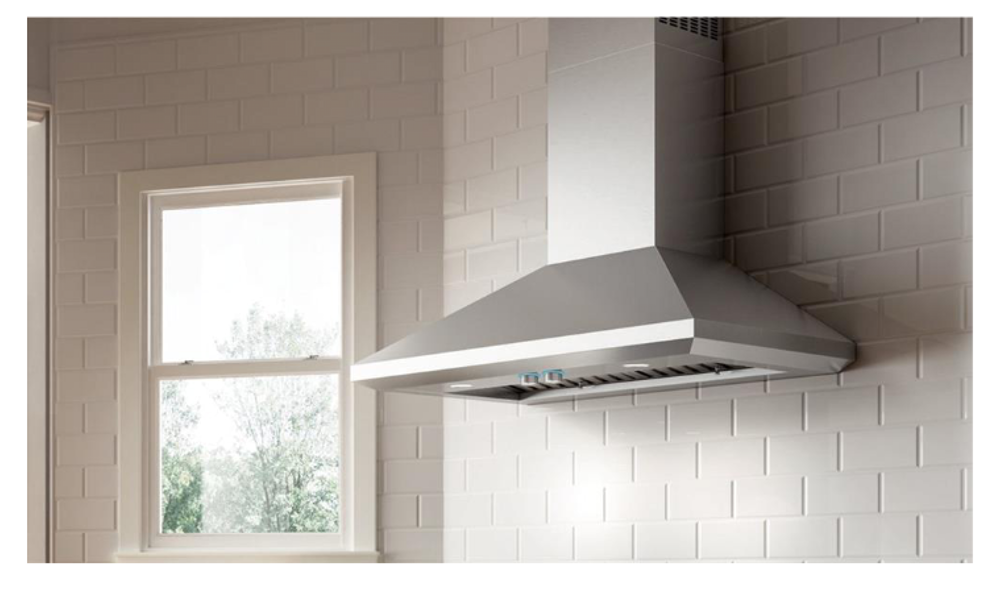
Before exploring sensors, it is important to understand the role of ventilation systems in commercial kitchens. These systems are responsible for:
- Removing heat generated by cooking equipment
- Extracting smoke, grease, and airborne particles
- Maintaining indoor air quality
- Preventing condensation and humidity buildup
- Ensuring compliance with fire safety regulations
Traditional systems typically operate at a constant speed, regardless of actual cooking activity. While simple, this approach is inefficient and often results in excessive energy consumption and inconsistent performance.
Kitchen ventilation sensors enable a shift from static operation to dynamic, demand-controlled ventilation (DCV), where airflow is continuously adjusted based on real-time conditions.
Kitchen ventilation sensors are intelligent devices integrated into ventilation hoods, ducts, or surrounding kitchen areas. They monitor environmental variables and send data to a central control system, which adjusts fan speed and airflow accordingly.
These sensors form the backbone of DCV systems and enable real-time decision-making. Depending on system complexity, they may operate independently or as part of a network connected to a building management system (BMS).
Kitchen ventilation sensors rely on a variety of detection technologies to ensure accurate and reliable performance.
Temperature sensors are among the most commonly used components. They detect heat generated by cooking appliances such as grills, fryers, ovens, and stoves.
When temperature levels rise above a preset threshold, the system automatically increases ventilation intensity. Conversely, when temperatures drop, airflow is reduced to conserve energy.
Optical sensors detect smoke and airborne particles by measuring light scattering or absorption. Infrared sensors, on the other hand, identify heat signatures and combustion-related emissions.
These technologies are particularly useful in detecting sudden increases in smoke levels, allowing rapid system response to prevent air quality deterioration.
Grease particles are a major concern in commercial kitchens, as they accumulate in ducts and increase fire risk. Specialized grease sensors measure the concentration of grease-laden vapors in exhaust air.
By identifying high grease levels, the system can increase airflow to reduce buildup, enhancing both safety and maintenance efficiency.
Humidity sensors monitor moisture levels generated by boiling, steaming, and dishwashing activities. Excess humidity can lead to condensation, mold growth, and equipment corrosion.
By adjusting ventilation based on humidity levels, these sensors help maintain a balanced indoor environment.
Advanced systems include air quality sensors capable of detecting:
- Carbon dioxide (CO₂)
- Volatile organic compounds (VOCs)
- Fine particulate matter (PM2.5)
These sensors ensure that indoor air remains safe for kitchen staff, particularly in enclosed or high-density environments.
Energy efficiency is one of the most compelling reasons for adopting kitchen ventilation sensors. Traditional systems often run at full capacity even during low cooking activity, wasting energy.
Sensor-based systems can reduce fan speed during idle periods, achieving energy savings of up to 50–70%. This not only lowers electricity costs but also reduces HVAC load, further improving overall building efficiency.
Safety is paramount in commercial kitchens. Ventilation sensors contribute to safer environments by:
- Detecting abnormal heat or smoke levels
- Increasing airflow to disperse flammable vapors
- Reducing grease accumulation in ducts
These functions play a crucial role in preventing kitchen fires and ensuring compliance with fire safety standards.
Maintaining good air quality is essential for worker health and productivity. Poor ventilation can lead to:
- Respiratory issues
- Eye irritation
- Fatigue and reduced efficiency
By continuously monitoring and adjusting airflow, ventilation sensors ensure optimal air quality, creating a safer and more comfortable workplace.
Although the initial investment may be higher, kitchen ventilation sensors deliver long-term cost savings through:
- Lower energy consumption
- Reduced maintenance requirements
- Extended equipment lifespan
These savings make them a cost-effective solution for commercial kitchen operators.
Modern systems offer advanced automation capabilities, including:
- Remote monitoring via cloud platforms
- Real-time performance analytics
- Predictive maintenance alerts
These features allow operators to optimize system performance and reduce downtime.
In fast-paced environments with fluctuating demand, sensors ensure efficient ventilation during peak hours while conserving energy during quieter periods.
Large hotel kitchens benefit from centralized control systems that integrate ventilation sensors with other building management functions.
Hospitals, schools, and corporate cafeterias require consistent air quality and safety standards, making sensor-based systems ideal.
Large-scale facilities rely on precise environmental control to maintain product quality and worker safety.
With limited space and high cooking intensity, these facilities depend heavily on smart ventilation solutions.
Kitchen ventilation sensors are increasingly integrated into broader smart building ecosystems. This allows for:
- Coordination with HVAC systems
- Energy optimization across the facility
- Centralized monitoring and control
Such integration enhances overall building efficiency and supports sustainability initiatives.
When implementing kitchen ventilation sensors, several factors must be considered:
Sensor Placement
Proper placement is critical for accurate detection. Sensors should be installed near cooking equipment and within ventilation hoods to capture real-time conditions.
System Compatibility
Ensuring compatibility with existing ventilation systems and control units is essential for seamless integration.
Calibration and Maintenance
Regular calibration ensures sensor accuracy. Maintenance schedules should include inspections and performance testing.
Environmental Conditions
Sensors must be designed to withstand harsh kitchen environments, including high temperatures, grease exposure, and humidity.
Despite their advantages, kitchen ventilation sensors also face certain challenges:
- Higher initial investment costs
- Need for skilled installation and setup
- Potential sensor drift over time
- Integration complexity in older facilities
However, these challenges are generally outweighed by long-term benefits.
Proper maintenance of kitchen ventilation sensors is essential to ensure accurate detection, reliable system performance, and long service life. Due to the harsh kitchen environment—characterized by heat, grease, smoke, and humidity—regular upkeep is critical.
First, clean sensors periodically to prevent grease and dust buildup, which can affect sensitivity and accuracy. Use appropriate, non-corrosive cleaning agents and follow manufacturer guidelines to avoid damaging sensitive components.
Second, inspect sensor placement and mounting conditions. Ensure sensors remain securely installed and are not obstructed by equipment or excessive grease accumulation in ventilation hoods or ducts.
Third, perform routine calibration to maintain measurement accuracy. Over time, sensor readings may drift due to environmental exposure, so scheduled calibration ensures reliable system response.
Additionally, check electrical connections and wiring to prevent signal loss or malfunction. Loose or damaged connections should be repaired immediately.
It is also recommended to update software and firmware regularly, especially for smart or IoT-enabled systems, to improve functionality and security.
Finally, implement a preventive maintenance schedule that includes periodic inspections, performance testing, and documentation. Proper maintenance not only enhances system efficiency but also reduces downtime, extends equipment lifespan, and ensures compliance with safety standards.
Artificial Intelligence and Machine Learning
AI-powered systems will analyze historical data to predict cooking patterns and optimize ventilation automatically.
IoT and Cloud Connectivity
Increased connectivity will enable real-time monitoring, remote diagnostics, and system optimization.
Advanced Sensor Materials
New materials and technologies will improve sensor accuracy, durability, and response time.
Sustainability and Carbon Reduction
As environmental regulations become stricter, sensor-based ventilation systems will play a key role in reducing carbon emissions.
Kitchen ventilation sensors represent a major advancement in commercial kitchen technology. By enabling intelligent, demand-based airflow control, they address key challenges related to energy efficiency, safety, and air quality.
Their ability to integrate with smart systems, reduce operational costs, and enhance workplace conditions makes them an essential component of modern kitchen infrastructure.
As the industry continues to evolve, the adoption of kitchen ventilation sensors will accelerate, driven by the need for sustainable, efficient, and safe kitchen environments. Businesses that invest in this technology today will be better positioned to meet future demands and regulatory requirements.
Previous: Complete Guide to Humidity Sensors: How They Work and Why You Need Them
Next: Comprehensive Guide to Smoke Detection Sensors and Fire Safety Systems