

Air quality plays a crucial role in our overall health and well-being. From the dust and pollen that cause allergies to the pollutants found in smoke or pet dander, our indoor air can be filled with invisible contaminants that impact our respiratory system. This is where air purifiers come in, providing an effective solution to remove pollutants and improve air quality. Choosing the right air purifier, however, can be a daunting task with so many options available. The ideal purifier depends on various factors, including room size, filter type, energy efficiency, noise levels, and your specific needs.
This comprehensive guide will help you navigate the process of choosing the best air purifier for your home, ensuring that you make an informed decision that will improve your air quality and contribute to better health.
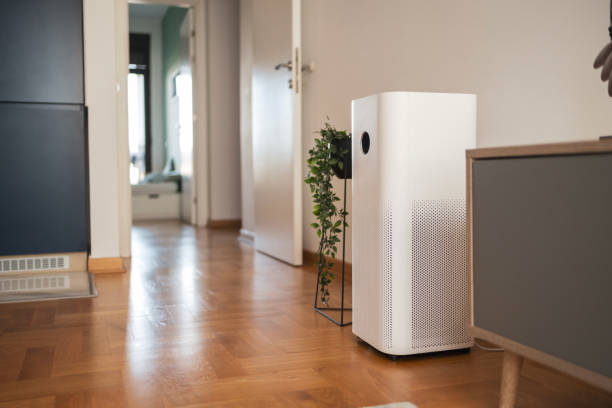
An air purifier is a device designed to clean the air by removing contaminants, allergens, and pollutants. The purifier works by drawing in air, filtering it through different types of filtration systems, and then releasing clean air back into the environment. This process helps eliminate harmful particles like dust, pollen, pet dander, mold spores, bacteria, viruses, and even volatile organic compounds (VOCs) found in household products.
Air purifiers are especially beneficial for individuals with respiratory conditions, such as asthma or allergies. They help reduce symptoms by keeping the air clean and free from irritants that could trigger allergic reactions or worsen respiratory problems. Additionally, they can help improve the air quality in homes, offices, and other indoor environments by removing smoke, odor, and particulate matter, making it more breathable and comfortable.
Air purifiers use a variety of filters and technologies to clean the air. Understanding the types of filters and the technology used will help you choose the right purifier for your needs.
- HEPA Filters: High-Efficiency Particulate Air (HEPA) filters are the gold standard for air purifiers. These filters can capture up to 99.97% of particles as small as 0.3 microns, including dust, pollen, and pet dander. HEPA filters are effective at trapping microscopic particles, making them a top choice for those with allergies or asthma.
- Activated Carbon Filters: Activated carbon filters are designed to absorb odors, smoke, and gases. They work by using a porous surface to trap chemicals and volatile organic compounds (VOCs), improving the air quality by removing unpleasant smells such as cooking odors, pet smells, and smoke. These filters are commonly used in conjunction with HEPA filters for more comprehensive air cleaning.
- UV-C Light Purifiers: Ultraviolet (UV) light purifiers use UV-C light to kill or deactivate microorganisms such as bacteria, viruses, and mold spores. While UV purifiers are effective at sterilizing the air, they are often used as a supplementary technology to other filter systems, as they primarily target microorganisms rather than airborne particles.
- Ionizers and Ozone Generators: Some air purifiers use ionization to charge particles in the air, causing them to attract to surfaces in the room or a collection plate within the purifier. Ozone generators, on the other hand, produce ozone, which can help eliminate odors and bacteria. However, ozone purifiers should be used with caution, as high levels of ozone can be harmful to human health.
While air purifiers can benefit everyone, certain individuals are more likely to benefit from their use:
- People with Allergies or Asthma: Air purifiers are essential for individuals suffering from allergies or asthma, as they help reduce airborne allergens like dust, pollen, mold spores, and pet dander. By removing these triggers, air purifiers can help alleviate symptoms such as sneezing, coughing, and wheezing.
- Smokers and Those Exposed to Secondhand Smoke: Air purifiers can help eliminate smoke particles and odors in the air, which is particularly beneficial for smokers or those who live with someone who smokes. They help reduce the harmful effects of secondhand smoke, which is linked to various respiratory issues and other health concerns.
- Pet Owners: Pet owners benefit from air purifiers as they help remove pet dander, which can trigger allergies in some individuals. Additionally, they can help eliminate pet odors, creating a cleaner and more comfortable living environment.
- People Living in Urban Areas: For those living in cities with high levels of pollution, air purifiers can be invaluable. They help remove particulate matter (PM2.5) and other pollutants from the air, contributing to better respiratory health and a more comfortable indoor environment.
- Individuals Concerned About Indoor Air Quality: Even if you don't have specific respiratory issues, you might still want to invest in an air purifier to improve overall indoor air quality. Air purifiers can help remove dust, pet hair, cooking odors, and other airborne contaminants, ensuring that the air in your home is clean and healthy.
When shopping for an air purifier to combat dust, it's important to consider various factors that will ensure the device is effective and energy-efficient. Here are the key considerations:
- Filter Type: For dust removal, look for an air purifier with a medical-grade HEPA filter. According to the Environmental Protection Agency (EPA), HEPA filters can capture up to 99.97% of particles as small as 0.3 microns, including fine dust. Multi-stage filtration systems that include a pre-filter (for larger particles) and an activated carbon layer (for odors) are also beneficial for comprehensive cleaning.
- Energy Efficiency: Air purifiers typically need to run continuously to maintain air quality, which can lead to higher electricity bills. Look for Energy Star-certified models, as these are designed to be 40% more energy-efficient than standard models, helping you save on energy costs in the long run.
- Room Size: Make sure to choose a purifier that's appropriate for the size of the room where it will be used. Many air purifiers come with an AHAM Verified Seal, which indicates that the unit can handle the recommended room size as per the Association of Home Appliance Manufacturers (AHAM). It's crucial to choose a unit that's capable of cleaning the air volume in your space effectively. Keep in mind that models for larger rooms often work well in smaller spaces, especially at lower fan speeds, which can also reduce noise.
- Fan Speed: Fan speed settings allow you to adjust the purifier's performance depending on air quality. For instance, you may want to use higher fan speeds during activities like vacuuming or cleaning, when dust particles are stirred up, and lower speeds at night when you need quieter operation.
- Noise Levels: Since air purifiers run continuously, noise is an important factor to consider. Look for models with a noise rating of around 50 decibels, which is roughly equivalent to the sound of a refrigerator running. Some manufacturers list the noise levels on the packaging or product description, helping you select a quieter model.
Different rooms and needs require different types of air purifiers. Here are some use case scenarios to help you decide which air purifier is best for your specific situation:
- For Allergies and Asthma: Choose a HEPA filter air purifier with a multi-stage filtration system to target dust, pollen, and other allergens. Look for a model that's Energy Star certified and appropriately sized for your room to ensure maximum efficiency and effectiveness.
- For Smoke Removal: Consider an air purifier that includes both a HEPA filter and an activated carbon filter. The HEPA filter will capture fine particulate matter from smoke, while the activated carbon filter absorbs smoke odors and gases. Ensure that the purifier has a high airflow rate for better smoke removal.
- For Pet Dander: If you're a pet owner, choose an air purifier with a HEPA filter to remove pet dander. Additional features like an activated carbon filter can help eliminate pet odors. For larger spaces or homes with multiple pets, look for a purifier with a higher CADR (Clean Air Delivery Rate) for optimal performance.
Choosing the right air purifier involves more than just picking the first one you find on the shelf. Understanding how air purifiers work and evaluating factors such as filter type, energy efficiency, room size, and noise levels will help you find a model that meets your specific needs. Whether you're looking to reduce dust, eliminate pet dander, or remove smoke odors, selecting the right air purifier can significantly improve your indoor air quality and enhance your overall well-being. By considering the right features and making an informed decision, you can enjoy cleaner, fresher air in your home or office every day.
Previous: How Soil Moisture Sensors Improve Crop Health and Water Efficiency
Next: How to Choose the Best Indoor Temperature and Humidity Monitor