

In modern building automation, environmental monitoring has become one of the most important components of energy-efficient, safe, and comfortable infrastructure. Among the wide range of sensing devices used in this field, the wall humidity sensor plays a critical role. It is widely installed in residential buildings, commercial offices, hospitals, data centers, cleanrooms, and industrial facilities to continuously monitor indoor air moisture levels.
As global attention shifts toward smart buildings, carbon reduction, and healthier indoor environments, wall-mounted humidity sensing technology is experiencing rapid innovation. These devices are no longer simple measurement tools; they are now integrated components of intelligent HVAC (Heating, Ventilation, and Air Conditioning) systems, IoT-based building management platforms, and predictive maintenance networks.
This industry news report provides a comprehensive overview of wall humidity sensors, including their working principles, major types, technological advancements, applications, benefits, and future development trends.
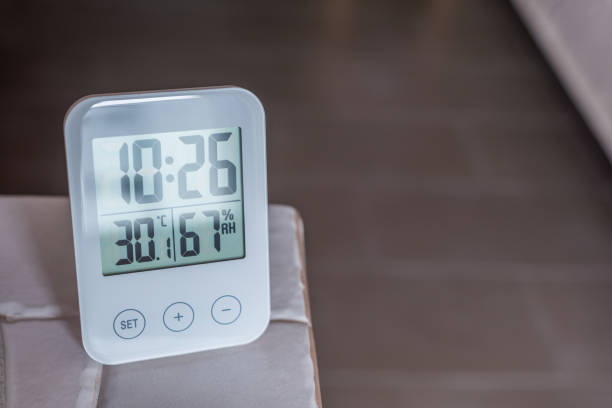
A humidity sensor is an electronic device designed to detect and measure the amount of water vapor present in the air. Humidity is usually expressed as relative humidity (RH%), which indicates how much moisture is present compared to the maximum amount the air can hold at a given temperature.
Wall humidity sensors are a specialized form of humidity detection device designed for fixed installation on indoor walls. Unlike portable sensors, wall-mounted versions provide continuous, real-time monitoring of indoor air conditions and are often connected to centralized building control systems.
These sensors typically transmit data to HVAC controllers, smart thermostats, or cloud-based monitoring platforms. Based on the readings, systems automatically adjust ventilation, cooling, or heating levels to maintain optimal indoor conditions.
Modern wall humidity sensors are often combined with additional environmental sensors such as temperature, CO₂, and VOC (volatile organic compounds) sensors, forming multi-functional air quality monitoring units.
Wall humidity sensors operate based on physical or chemical changes that occur when water vapor interacts with a sensing material. The most common sensing principles include capacitive, resistive, and thermal conductivity methods.
Capacitive sensors are among the most widely used in wall-mounted devices due to their stability and accuracy. They work by using a hygroscopic dielectric material placed between two electrodes.
When humidity increases, the dielectric material absorbs water vapor, causing a change in capacitance. This change is then converted into an electrical signal representing relative humidity.
Key advantages include:
- High accuracy and long-term stability
- Low power consumption
- Minimal drift over time
- Suitable for smart building systems
Capacitive wall humidity sensors are commonly used in offices, hospitals, and smart homes where precision control is required.
Resistive sensors operate by measuring changes in electrical resistance caused by moisture absorption. The sensing material, often a polymer or salt-based compound, changes its conductivity depending on the level of humidity.
As humidity increases, resistance decreases, and vice versa. This change is interpreted as humidity levels.
Advantages include:
- Lower cost compared to capacitive sensors
- Simple structure and easy integration
- Suitable for basic HVAC systems
However, resistive sensors may experience long-term drift and require periodic calibration. They are commonly used in cost-sensitive applications such as residential HVAC systems or basic industrial monitoring.
Thermal conductivity sensors measure humidity based on the heat transfer properties of air. Dry air and humid air conduct heat differently, and this difference is used to estimate moisture content.
These sensors typically include heated elements and reference sensors to detect temperature variation.
Advantages include:
- Fast response time
- High durability in harsh environments
- Suitable for industrial applications
However, they are generally less accurate for precise humidity measurement compared to capacitive sensors.
A wall humidity sensor is a fixed-installation device mounted directly on indoor walls to continuously monitor environmental humidity levels. It is designed for long-term use in building automation systems and is often part of a broader smart building ecosystem.
Unlike handheld or portable sensors, wall-mounted units provide:
- Continuous real-time data collection
- Stable long-term monitoring
- Integration with HVAC systems
- Minimal maintenance requirements
Most modern wall humidity sensors come with sleek designs suitable for interior environments, making them unobtrusive while still highly functional.
They are typically installed in:
- Office buildings
- Hotels and hospitality environments
- Hospitals and healthcare facilities
- Residential smart homes
- Industrial cleanrooms
- Warehouses and storage facilities
With the rise of smart building technologies, wall humidity sensors have evolved significantly. Today's models often include advanced features such as:
Many sensors now support Wi-Fi, Zigbee, LoRaWAN, or Bluetooth communication protocols. This allows real-time data transmission to cloud platforms or building management systems (BMS).
Modern devices often combine humidity sensing with:
- Temperature measurement
- CO₂ detection
- Air quality monitoring
- VOC detection
This provides a comprehensive understanding of indoor environmental conditions.
Advanced calibration techniques and improved sensing materials ensure high precision and reduced long-term drift.
Wall humidity sensors can directly trigger HVAC adjustments, such as:
- Activating dehumidifiers
- Increasing ventilation
- Adjusting cooling systems
Low-power electronic components allow sensors to operate continuously with minimal energy consumption, supporting green building initiatives.
Wall humidity sensors provide multiple advantages across residential, commercial, and industrial environments.
By continuously monitoring humidity levels, HVAC systems can operate more efficiently. Instead of running at fixed settings, systems adjust dynamically based on real-time environmental data. This reduces unnecessary energy consumption and lowers operational costs.
Maintaining optimal humidity levels improves occupant comfort. Air that is too dry can cause skin irritation and respiratory discomfort, while excessive humidity can create a stuffy environment. Wall sensors help maintain a balanced indoor climate.
Excess humidity is one of the main causes of mold growth in buildings. Wall humidity sensors detect rising moisture levels early, allowing ventilation systems to respond before mold develops. This is especially important in basements, bathrooms, and storage areas.
In industrial and commercial environments, humidity fluctuations can damage sensitive equipment, electronics, paper products, and pharmaceuticals. Stable humidity monitoring ensures product quality and equipment longevity.
Wall humidity sensors are a core component of intelligent building automation systems. They provide essential data for:
- HVAC optimization
- Predictive maintenance
- Energy management systems
- Environmental analytics
By improving efficiency and reducing maintenance issues caused by humidity imbalance, organizations can significantly reduce operational expenses over time.
In smart homes, wall humidity sensors are used to maintain comfortable living conditions. They help regulate indoor climate automatically, especially when integrated with smart thermostats.
Office environments require stable humidity levels for employee comfort and productivity. Sensors ensure balanced air conditions across different zones.
Hospitals and laboratories require strict environmental control. Wall humidity sensors help maintain sterile conditions and prevent microbial growth.
Industries such as electronics, textiles, and pharmaceuticals depend heavily on controlled humidity to ensure product quality.
Humidity control is critical in data centers to prevent static electricity buildup and protect sensitive electronic equipment.
Humidity fluctuations can damage stored goods. Sensors help maintain optimal storage conditions.
The wall humidity sensor industry is undergoing significant transformation driven by several key trends:
The global smart building market is expanding rapidly, increasing demand for integrated environmental sensors.
IoT-enabled wall sensors allow remote monitoring, predictive analytics, and automation, making them essential in modern infrastructure.
Artificial intelligence is increasingly used to analyze humidity data and optimize HVAC performance automatically.
Sensors are becoming smaller, more aesthetically designed, and easier to install, making them suitable for modern interior architecture.
Governments and industries are prioritizing energy-efficient building solutions, boosting demand for smart humidity monitoring systems.
Despite strong growth, the industry faces several challenges:
- Calibration drift in long-term use
- High competition in low-cost sensor markets
- Integration complexity with legacy HVAC systems
- Environmental interference affecting accuracy in extreme conditions
Manufacturers are continuously addressing these issues through improved materials, AI calibration, and advanced sensor fusion technologies.
The future of wall humidity sensors is closely tied to smart infrastructure development. As buildings become more intelligent, sensors will evolve from passive monitoring devices to active decision-making components.
Key future developments may include:
- Fully autonomous HVAC systems
- Self-calibrating sensor networks
- Edge computing-enabled sensors
- Deeper AI integration for predictive environmental control
In the coming years, wall humidity sensors will play an even more critical role in achieving sustainable, comfortable, and energy-efficient living and working environments.
Wall humidity sensors have become an essential part of modern building automation systems. Their ability to provide accurate, real-time monitoring of indoor humidity helps improve energy efficiency, protect equipment, enhance comfort, and support smart environmental control systems.
As technology continues to evolve, these sensors are expected to become more intelligent, more connected, and more integrated into the broader ecosystem of smart buildings and industrial automation.
With growing global demand for sustainable infrastructure and healthy indoor environments, the wall humidity sensor industry is poised for continued expansion and innovation in the years ahead.
Previous: How Indoor PM2.5 Dust Sensors Enhance Health, Safety, and Air Purification Systems
Next: Advanced RoHS Sensors For Industrial Automation And Environmental Monitoring



