

In recent years, air pollution has emerged as one of the most pressing global health challenges. While outdoor pollution from traffic, industrial emissions, and wildfires is widely acknowledged, indoor air quality often receives far less attention—even though people spend up to 90% of their time indoors. Indoor air can be up to five times more polluted than outdoor air, according to multiple studies. Exposure to harmful pollutants, even in small amounts, can accumulate over time and significantly impact health.
An air quality monitor is a powerful tool that enables individuals, families, and organizations to detect pollutants, track environmental conditions, and make data-driven decisions to reduce exposure. Whether you are concerned about your family's health, workplace productivity, or compliance with environmental standards, understanding air quality is critical.
This article provides an in-depth exploration of why air quality monitoring is essential, what these devices measure, how to choose and maintain them, and practical strategies to improve indoor air for long-term health benefits.
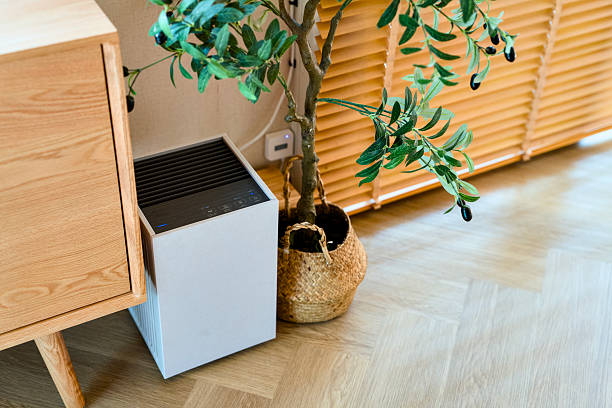
Even if you currently feel healthy, you may be unknowingly exposed to pollutants that gradually damage your respiratory, cardiovascular, and neurological systems. Poor air quality has been linked to:
- Respiratory illnesses: Chronic obstructive pulmonary disease (COPD), asthma exacerbation, and reduced lung function
- Cardiovascular problems: Heart disease, hypertension, and stroke risk
- Cognitive impairment: Reduced concentration, memory issues, and higher risk of neurodegenerative diseases
- Allergic reactions: Sneezing, watery eyes, nasal congestion, and skin irritation
- Long-term chronic conditions: Increased susceptibility to cancer, organ damage, and developmental problems in children
With these risks in mind, monitoring air quality is not just a preventive measure—it is a critical component of proactive healthcare.
Outdoor air pollution often comes from industrial activity, vehicle emissions, wildfires, and agricultural practices. However, indoor air can be significantly more contaminated due to:
- Poor ventilation in modern energy-efficient buildings
- Household cleaning products and aerosols
- Off-gassing from furniture, carpets, paints, and synthetic materials
- Cooking fumes and gas appliances
- Tobacco smoke and candles
Unlike outdoor air pollution, which is largely uncontrollable by individuals, indoor air quality can be managed effectively with proper monitoring and mitigation strategies.
Air quality monitors are designed to detect a wide range of environmental factors and pollutants. Most modern monitors track multiple metrics, often in real time, providing a comprehensive picture of the air you breathe.
Carbon dioxide levels are a key indicator of ventilation and air freshness. CO₂ is naturally produced through respiration, combustion, and certain appliances. High indoor concentrations (above 1,000 ppm) can lead to:
- Headaches and dizziness
- Fatigue and reduced cognitive performance
- Poor concentration and productivity
Monitoring CO₂ allows you to adjust ventilation, reduce occupancy in poorly ventilated spaces, and maintain healthy indoor environments.
PM2.5 refers to particulate matter smaller than 2.5 microns in diameter. Sources include:
- Traffic emissions and industrial smoke
- Wildfires and burning wood
- Cooking fumes and candle smoke
Because PM2.5 particles are small enough to penetrate deep into the lungs and bloodstream, long-term exposure is linked to:
- Increased risk of heart disease and stroke
- Asthma attacks and COPD progression
- Lower birth weight in infants
Air monitors detect PM2.5 in real time, enabling immediate mitigation through air purifiers, filtration systems, and behavioral adjustments.
PM10 particles, approximately 10 microns in diameter, come from sources such as:
- Construction dust
- Pollen and spores
- Soil and road dust
While larger than PM2.5, PM10 still irritates the respiratory system, triggering allergies and asthma symptoms. Continuous monitoring allows timely cleaning and the use of ventilation strategies to reduce exposure.
VOCs are chemicals that evaporate into the air and are found in a wide range of household products, including:
- Paints and varnishes
- Cleaning agents and disinfectants
- Carpets, furniture, and mattresses
- Dry-cleaned clothing
- Synthetic hair products
Certain VOCs are associated with:
- Headaches, dizziness, and nausea
- Eye, nose, and throat irritation
- Long-term organ damage and cancer risk
Monitoring VOCs helps identify and minimize exposure, protecting both short-term comfort and long-term health.
CO is a colorless, odorless gas produced by incomplete combustion in stoves, heaters, and fireplaces. High exposure can cause:
- Fatigue and headaches
- Nausea and dizziness
- Life-threatening poisoning in extreme cases
Air quality monitors with CO sensors are vital in homes using gas appliances to ensure safe indoor environments.
Temperature and humidity affect comfort, health, and pollutant behavior. Improper humidity levels can:
- Promote mold and mildew growth
- Trigger respiratory allergies
- Dry skin and mucous membranes
Air monitors tracking these parameters allow proactive adjustments with humidifiers, dehumidifiers, or HVAC systems.
Monitoring indoor air quality offers significant advantages for both immediate well-being and long-term health. One of the most important benefits is health protection. By tracking pollutants such as PM2.5, PM10, VOCs, carbon dioxide, and carbon monoxide, air quality monitors help identify potential hazards before they cause symptoms or long-term damage. This early detection is particularly valuable for children, the elderly, and individuals with respiratory or cardiovascular conditions, enabling timely interventions.
Air quality monitoring also contributes to improved comfort. By providing data on temperature, humidity, and particulate levels, these devices allow users to maintain a healthier and more pleasant indoor environment. Proper management of these factors can prevent issues such as mold growth, dryness, or excessive dust, improving overall living and working conditions.
Another advantage is data-driven decision-making. Historical readings from air quality monitors help homeowners, facility managers, and businesses adjust ventilation systems, air purifiers, and daily routines to minimize exposure to harmful pollutants. This proactive approach ensures cleaner, safer air while reducing health-related risks.
Finally, monitoring indoor air quality promotes peace of mind and productivity. Knowing that your space is safe increases confidence and comfort, while cleaner air enhances focus, reduces fatigue, and decreases sickness-related absences, benefiting both families and workplaces alike.
When selecting a monitor, consider:
- Pollutants measured – Ensure the device tracks relevant chemicals for your environment.
- Accuracy – Look for validated sensors or professional calibration.
- Connectivity – Wi-Fi or smart features allow remote monitoring and alerts.
- Portability – Choose between fixed and portable units depending on usage.
- Budget – Higher-end monitors often provide more accurate readings and broader pollutant detection.
Even high-quality monitors require proper maintenance:
- Clean sensors and housings regularly
- Replace filters and batteries as recommended
- Avoid direct sunlight or heat sources near the monitor
- Calibrate periodically for reliable readings
Proper maintenance ensures your monitor provides accurate data over years of use.
Air quality monitoring is useful in various scenarios:
- Homes – Protect children, elderly, and sensitive individuals.
- Schools – Ensure safe classrooms and reduce absenteeism.
- Offices – Improve employee health, comfort, and productivity.
- Healthcare Facilities – Maintain sterile environments for patients.
- Industrial Sites – Monitor pollutants for regulatory compliance and worker safety.
Various organizations provide standards to help interpret air quality data:
- World Health Organization (WHO) – Guidelines for PM2.5, PM10, CO, and VOCs.
- EPA (Environmental Protection Agency) – US standards for indoor and outdoor air quality.
- Local Environmental Agencies – Regional guidelines may differ depending on climate, urbanization, and population density.
Monitoring devices allow individuals and organizations to align with these standards, improving safety and regulatory compliance.
Monitoring is only the first step; taking action is essential. Strategies include:
- Using HEPA or activated carbon air purifiers
- Ventilating rooms regularly with fresh air
- Reducing VOC sources such as harsh cleaning products
- Avoiding smoking indoors
- Managing humidity to prevent mold growth
- Sealing gaps that allow outdoor dust and pollutants to enter
Combining monitoring with mitigation ensures a healthier indoor environment.
The air quality monitoring industry is rapidly evolving:
- Integration with smart home systems – Automatically adjust HVAC and purifiers based on real-time data.
- Portable and wearable monitors – Personal exposure tracking throughout the day.
- Advanced sensors – Detection of more specific VOCs, allergens, and chemical compounds.
- Data analytics – AI and cloud-based solutions analyze trends and predict pollution risks.
These innovations make air quality monitoring more accessible, accurate, and actionable than ever before.
Air quality monitoring is no longer optional—it is essential for protecting health, comfort, and productivity in modern living spaces. From detecting hidden pollutants to guiding preventive strategies, a high-quality air quality monitor provides insights that can prevent long-term damage to your respiratory and cardiovascular systems, reduce allergy and asthma triggers, and ensure a safe environment for your family or workplace.
By investing in a reliable device, maintaining it properly, and taking corrective actions based on its readings, you can breathe easier and live healthier. With the increasing prevalence of indoor pollution and environmental challenges, air quality monitoring has become a critical tool in safeguarding well-being and enhancing quality of life.
Previous: Indoor Air Quality and the Role of Laser Particle Counters: A Complete Guide
Next: Smart Smoke Alarm Sensors for Residential, Commercial, and Industrial Fire Safety