

Clean air is something most of us take for granted. Yet, invisible pollutants inside homes, offices, and public buildings can have a profound effect on our health, productivity, and comfort. From dust particles and mold spores to harmful gases such as carbon monoxide or volatile organic compounds (VOCs), many of these contaminants remain unnoticed until they start causing symptoms like fatigue, respiratory irritation, or even long-term illness.
This is where indoor air quality monitors (IAQ monitors) come into play. These devices act as a window into the unseen environment around you, measuring pollutants, analyzing humidity and temperature conditions, and in many cases, connecting to apps that track data trends over time. Some advanced models even integrate with smart home systems to automatically trigger purifiers, humidifiers, or ventilation systems when conditions decline.
With more people working from home, raising families in urban environments, or dealing with allergies and asthma, the demand for reliable air quality monitoring solutions has grown significantly. But with so many models on the market—ranging from compact plug-and-play monitors to sophisticated smart sensors—choosing the right one can be overwhelming.
This comprehensive buying guide will walk you through how indoor air quality monitors work, the pollutants they detect, the features worth considering, and practical tips to help you select the right device for your home or workplace.
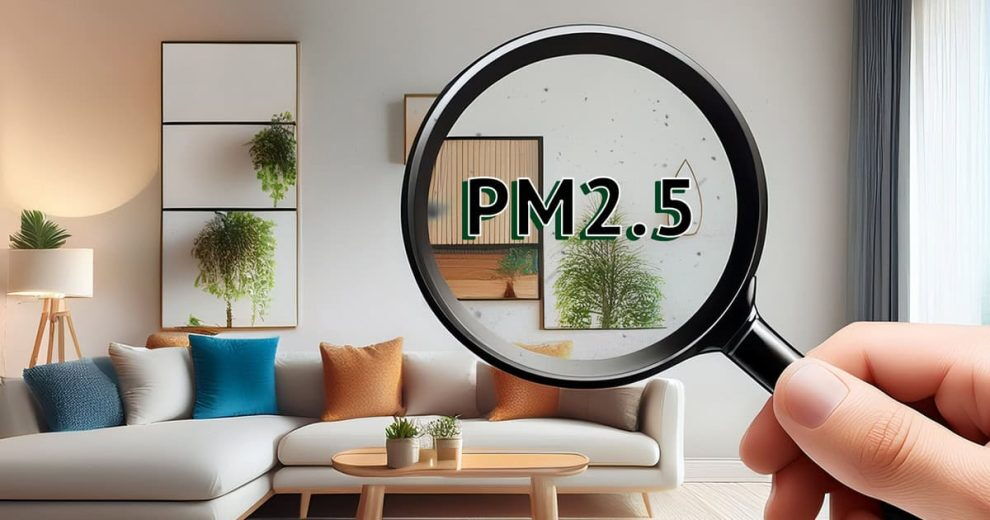
Indoor air can be two to five times more polluted than outdoor air, according to the U.S. Environmental Protection Agency (EPA). Everyday activities such as cooking, cleaning, burning candles, or using certain household products release fine particles and gases that accumulate indoors. Poor ventilation compounds the issue, allowing pollutants to linger.
Common health effects linked to poor indoor air quality include:
Respiratory problems such as asthma flare-ups, coughing, and shortness of breath.
Allergic reactions triggered by dust, pollen, and pet dander.
Fatigue and headaches from elevated carbon dioxide (CO₂) levels.
Serious health risks from exposure to carbon monoxide (CO), radon, or nitrogen dioxide (NO₂).
Children, older adults, and individuals with pre-existing health conditions are particularly vulnerable. Monitoring air quality ensures you can take action before these invisible threats affect your well-being.
Beyond health, clean indoor air improves comfort and mental clarity. Elevated CO₂ levels, for example, can make rooms feel stuffy and lower concentration, which is especially concerning in home offices or classrooms. By keeping track of pollutant levels, IAQ monitors provide peace of mind, allowing you to make informed decisions such as opening a window, adjusting ventilation, or running an air purifier.
Not all monitors track the same pollutants. Here are the most common contaminants and environmental factors you may want your device to detect:
Tiny particles from dust, smoke, pollen, and combustion. PM2.5, in particular, penetrates deep into the lungs and is linked to cardiovascular and respiratory diseases.
Gases released by cleaning products, paints, furniture, and building materials. Prolonged exposure can cause irritation and, in some cases, long-term health risks.
Naturally present in indoor spaces, but elevated levels cause drowsiness, headaches, and reduced focus.
A colorless, odorless gas produced by faulty heating systems or fuel-burning appliances. Even small concentrations can be deadly, making CO detection vital.
Emitted by gas stoves and vehicles, it irritates the respiratory system and worsens asthma.
While beneficial in the upper atmosphere, ozone at ground level can harm the lungs.
A radioactive gas that seeps into buildings from the ground. Long-term exposure is a leading cause of lung cancer.
While not pollutants themselves, these conditions affect comfort and can encourage mold growth or dryness.
There are several approaches to checking air quality at home or work:
Use a Dedicated Air Quality Monitor: The most accurate and convenient method. These devices provide real-time readings of pollutants and environmental conditions.
Watch for Signs of Poor Air Quality: Musty odors, visible mold, or frequent dust buildup can be red flags.
Track Humidity Levels: Keeping relative humidity between 30–50% reduces the risk of mold growth and respiratory discomfort.
DIY Tests: Radon test kits, mold test swabs, and CO₂ detectors can supplement air quality monitoring but lack the comprehensive insight of an IAQ monitor.
Most IAQ monitors use sensors to detect pollutants in the air. These sensors vary in type depending on the pollutant being measured:
Laser or optical sensors for particulate matter.
Electrochemical sensors for gases like CO and NO₂.
Metal-oxide sensors for VOCs.
Humidity and temperature sensors for comfort monitoring.
The data is then displayed on the device’s screen or transmitted to a mobile app via Wi-Fi or Bluetooth. Advanced monitors may log long-term data, create graphs, or send alerts when levels exceed safe thresholds.
Some models integrate with smart home ecosystems like Alexa, Google Home, or Apple HomeKit. This allows automation—for instance, activating an air purifier or dehumidifier automatically when pollutant levels rise.
When shopping for an indoor air quality monitor, keep these features in mind:
Size and Design: Compact devices are easier to place around the home and less intrusive in small spaces.
Battery Life: Monitors with long-lasting rechargeable batteries or plug-in options reduce the hassle of constant charging.
Accuracy: High-end monitors offer precise data, but even mid-range options provide valuable insights. Consider your needs—do you require lab-grade accuracy, or general trend monitoring?
Types of Sensors: Match the device to your primary concerns. For example, if you live in an area with high traffic pollution, prioritize PM2.5 sensors. If you have gas appliances, CO and NO₂ detection are crucial.
Connectivity: Decide whether you need Wi-Fi for remote monitoring, or if a Bluetooth-only device is sufficient.
Data Logging and Alerts: Useful for tracking patterns, identifying pollution sources, and receiving notifications when air quality declines.
Integration with Smart Devices: Helps automate responses and enhances convenience.
Price and Warranty: Higher-end monitors cost more but often include more sensors and smart features. A solid warranty adds peace of mind.
Owning an air quality monitor is only the first step. Once you detect pollutants, it’s important to take action:
Increase Ventilation: Open windows when outdoor air quality allows, or use exhaust fans in kitchens and bathrooms.
Use Air Purifiers: HEPA and activated carbon filters can reduce dust, allergens, smoke, and VOCs.
Maintain Proper Humidity: A humidifier or dehumidifier helps keep levels in the 30–50% range.
Keep Your Space Clean: Regular vacuuming, dusting, and minimizing clutter reduce particle buildup.
Avoid Indoor Pollutants: Choose low-VOC paints and cleaning products, and avoid smoking indoors.
Service Appliances: Ensure heating and cooking equipment are functioning safely to reduce CO and NO₂ risks.
With so many models available, narrowing down your options requires assessing your specific needs. Here’s a practical checklist:
For general household monitoring: Look for monitors that track PM2.5, VOCs, CO₂, and humidity.
For health-sensitive environments: Consider devices with high accuracy and real-time alerts, especially if you have children, elderly family members, or respiratory conditions.
For smart homes: Choose a model with Wi-Fi connectivity and compatibility with smart assistants.
For portability: Compact, battery-powered monitors are ideal for travel or use in multiple rooms.
For budget-conscious buyers: Focus on the core pollutants most relevant to your environment instead of every possible sensor.
Homes and Apartments: Protect families from everyday pollutants and create a healthier living environment.
Offices: Improve productivity by managing CO₂ levels and reducing sick-building syndrome.
Schools and Daycares: Safeguard children who are more vulnerable to respiratory issues.
Healthcare Facilities: Maintain safe environments for patients with weakened immune systems.
Industrial or Urban Areas: Track pollutants from traffic, factories, or nearby construction.
As technology advances, IAQ monitors are becoming more accurate, compact, and affordable. AI-driven systems are emerging that not only detect pollutants but also predict air quality trends and recommend proactive measures. Integration with HVAC systems is likely to become more common, creating fully automated indoor environments that adjust ventilation and filtration in real time.
Indoor air quality is too important to ignore. Pollutants that we cannot see or smell can have lasting effects on our health, comfort, and productivity. By investing in a reliable air quality monitor, you gain the ability to track these hidden threats, respond effectively, and create a safer living or working environment.
Whether you want a simple device to measure the basics or a fully integrated smart system, today’s air quality monitors provide tools that empower you to breathe easier. With the right knowledge and equipment, maintaining healthy indoor air is no longer guesswork—it’s a science you can monitor and manage every day.
Previous: Comprehensive Guide to Formaldehyde Gas Sensors: Ensuring Safety and Air Quality
Next: PM2.5 Sensors in Automotive: Safeguarding Health and Driving the Future of Mobility