

Air pollution is no longer just an environmental concern—it is an everyday health crisis. While most discussions focus on the smog hanging over cities or industrial emissions, the air people breathe inside vehicles is increasingly under scrutiny. Traffic congestion, urban expansion, and rising industrial activity mean drivers and passengers often spend hours in enclosed cabins exposed to a mix of fine particles and toxic gases.
To address this hidden risk, automakers are turning to advanced PM2.5 sensors. These devices detect microscopic airborne particles less than 2.5 microns in diameter, widely recognized as the most dangerous to human health because they penetrate deep into the lungs and even enter the bloodstream. When combined with intelligent air management systems, PM2.5 sensors transform vehicles into safer spaces, protecting passengers from pollution while adding value for health-conscious consumers.
This article takes a deep dive into the role of PM2.5 sensors in vehicles, exploring their working principles, key applications, market dynamics, technological advancements, regional adoption trends, challenges, and future outlook.
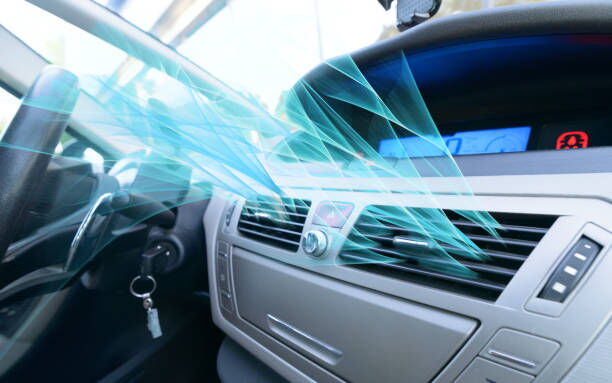
PM2.5 particles are roughly 30 times smaller than the width of a human hair, making them invisible to the naked eye. Their small size allows them to bypass the body’s natural defenses and lodge in lung tissue, leading to inflammation, respiratory diseases, cardiovascular problems, and even neurological effects over long-term exposure.
According to the World Health Organization (WHO), exposure to PM2.5 contributes to millions of premature deaths annually. The risks are magnified inside vehicles, where enclosed spaces can trap pollutants. A study by the University of Surrey found that drivers in congested urban areas are exposed to up to ten times more pollutants inside vehicles compared to pedestrians walking along the same route.
Sources of in-cabin PM2.5 pollution include:
Exhaust emissions from surrounding traffic.
Road dust, tire wear, and brake particles entering through ventilation.
Diesel soot and industrial fallout in urban and highway environments.
Secondary pollutants formed by chemical reactions of gases inside the cabin.
Traditional vehicle ventilation and filtration systems were never designed to fully counteract these pollutants. This gap is now being bridged by PM2.5 sensor-driven technologies.
PM2.5 sensors are not standalone devices; they become powerful when integrated into a vehicle’s broader ecosystem of comfort and safety features. The main applications include:
Provides real-time feedback on cabin air quality.
Displays pollution levels on dashboards or connected smartphone apps.
Alerts passengers when pollution levels exceed safe thresholds.
Adjusts purification strength automatically based on detected PM2.5 levels.
Activates HEPA or carbon filters during heavy traffic or polluted environments.
Saves energy by optimizing when purification is required.
Controls intake of outside air.
Closes vents automatically during smoggy conditions or when following heavy vehicles.
Opens circulation when outdoor air is fresher.
Issues proactive reminders to open windows or run purification.
Syncs with infotainment or connected health apps to provide tailored advice.
Useful for sensitive passengers, such as children, elderly, or those with asthma.
PM2.5 data can influence route planning, avoiding pollution hotspots.
Future applications may include AI-powered systems recommending safer travel times or modes.
These applications demonstrate that PM2.5 sensors are more than just monitoring devices—they are enablers of smarter, healthier driving experiences.
To appreciate their role, it helps to understand the science behind PM2.5 sensors:
Air Sampling – A fan draws in air samples from the vehicle cabin or exterior.
Laser Illumination – Air passes through a laser light beam.
Light Scattering Detection – Particles scatter the laser light, which is detected by photodiodes.
Signal Processing – Algorithms analyze scattering intensity and patterns to calculate size and concentration of particles.
Data Output – Results are displayed in μg/m³ and integrated into the vehicle’s digital ecosystem.
This optical detection method allows sensors to measure not just PM2.5 but also PM1.0 and PM10 when configured accordingly. High-end systems can distinguish between different particle types, such as soot, dust, or pollen.
While PM2.5 sensors address particulate pollution, in-cabin safety also depends on monitoring gaseous pollutants. Together, they form a two-pillar strategy:
PM2.5 Sensors – Detect microscopic solid and liquid particles that cause respiratory and cardiovascular risks.
Gas Sensors – Monitor harmful gases like carbon monoxide (CO), nitrogen oxides (NOx), ozone (O₃), and volatile organic compounds (VOCs).
Integrating both provides comprehensive protection. For example, a sensor might detect rising CO levels when idling in traffic, prompting the vehicle to recirculate interior air, while the PM2.5 sensor ensures particles remain below health thresholds.
The global automotive cabin air quality sensor market is expanding rapidly, driven by multiple factors:
Post-pandemic, consumers are more health-conscious, demanding vehicles that offer wellness features. Air quality sensors are now a selling point, much like fuel efficiency or infotainment once were.
China has implemented stringent standards requiring in-vehicle PM2.5 monitoring in certain regions.
Europe has tightened air quality regulations, indirectly pushing automakers to act.
Emerging markets like India are also adopting stricter pollution controls, driving sensor adoption.
By 2030, over 60% of the world’s population will live in urban areas, many in pollution-heavy megacities. Longer commute times mean greater exposure.
Integration with IoT, cloud platforms, and AI makes sensors more valuable, turning vehicles into data hubs for environmental monitoring.
Luxury brands like Tesla, BMW, and Volvo use PM2.5 sensors as part of premium “clean cabin” features, which are now trickling down into mid-market vehicles.
According to market research, the global automotive cabin air quality sensor market is projected to reach USD 3.5 billion by 2032, growing at a CAGR of over 9%.
The world’s largest automotive market and one of the most polluted environments.
Chinese automakers are aggressively adopting PM2.5 sensors, even in mid-range vehicles.
Government regulations play a significant role in accelerating adoption.
Emphasis on health, wellness, and sustainability.
Premium automakers like Volvo, Mercedes-Benz, and BMW integrate PM2.5 monitoring as part of their wellness-focused branding.
Adoption is slower but rising, driven by consumer demand in urban areas like Los Angeles and New York, where pollution is a visible issue.
Wildfire seasons have further accelerated awareness.
Some of the world’s worst air quality levels.
Growing middle-class demand for affordable vehicles with health-centric features creates a significant opportunity.
Tesla: Introduced “Bioweapon Defense Mode,” using HEPA filtration and PM2.5 sensors to deliver hospital-grade cabin air.
Volvo: CleanZone technology integrates PM2.5 monitoring with smartphone connectivity, allowing remote air quality checks.
NIO (China): Offers PM2.5 sensors in electric vehicles as part of its health-focused features, appealing to urban customers in smog-heavy cities.
While promising, PM2.5 sensors face hurdles:
Cost Constraints: High-precision sensors add cost, limiting penetration in low-cost vehicles.
Durability: Sensors must withstand heat, vibration, and humidity in harsh automotive environments.
Calibration: Maintaining accuracy over time is difficult; dirty sensors may require recalibration or replacement.
Consumer Education: Many drivers are unaware of cabin pollution risks, reducing perceived value.
The role of PM2.5 sensors in automotive design will expand significantly in the coming decade. Some future directions include:
AI-Driven Prediction: Vehicles will predict air quality changes ahead based on route, weather, and traffic data.
Integration with Wearables: Cars will adjust cabin air dynamically based on passenger health data (e.g., asthma alerts from a smartwatch).
Smart City Ecosystems: Vehicles could feed PM2.5 data into urban air monitoring systems, supporting public health policies.
Mass Market Adoption: As costs decline, PM2.5 sensors will become standard in most vehicles, not just premium models.
Electric Vehicle Synergy: EVs emphasize sustainability, making clean cabin air systems a natural extension of their branding.
The rise of PM2.5 sensors in automotive applications is part of a broader transformation where vehicles are no longer just transport machines but personal wellness environments. What began as a niche feature in luxury vehicles is now scaling globally, driven by worsening air pollution, consumer demand, and regulatory pressure.
For automakers, the integration of PM2.5 sensors represents both a responsibility and an opportunity: to protect health, comply with standards, and differentiate in a competitive market. For passengers, it means safer journeys and peace of mind, knowing that each breath taken inside a vehicle is cleaner and healthier.
As the automotive industry accelerates toward electrification, autonomy, and connectivity, one thing is clear: the air inside vehicles will matter as much as the technology under the hood. PM2.5 sensors, though small in size, are set to play a big role in the future of clean, intelligent mobility.
Previous: Complete Guide to Choosing the Best Indoor Air Quality Monitor
Next: Air Quality Sensors: Understanding the Application of PM2.5 and PM10 Sensors