

In modern agriculture, data-driven decision-making is transforming how crops are grown and livestock are managed. Among the critical tools enabling this transformation are agricultural CO₂ sensors. These devices are designed to measure the concentration of carbon dioxide (CO₂) in the atmosphere, providing essential insights into the environmental conditions that directly impact plant growth and animal health.
Carbon dioxide is a fundamental component of photosynthesis—the process through which plants convert light energy into chemical energy. By monitoring and controlling CO₂ levels, farmers can create optimal growing conditions that boost crop yield, improve quality, and enhance resource efficiency. Beyond plants, CO₂ management is equally important in animal farming, as elevated levels can pose health risks, reduce productivity, and even increase mortality rates.
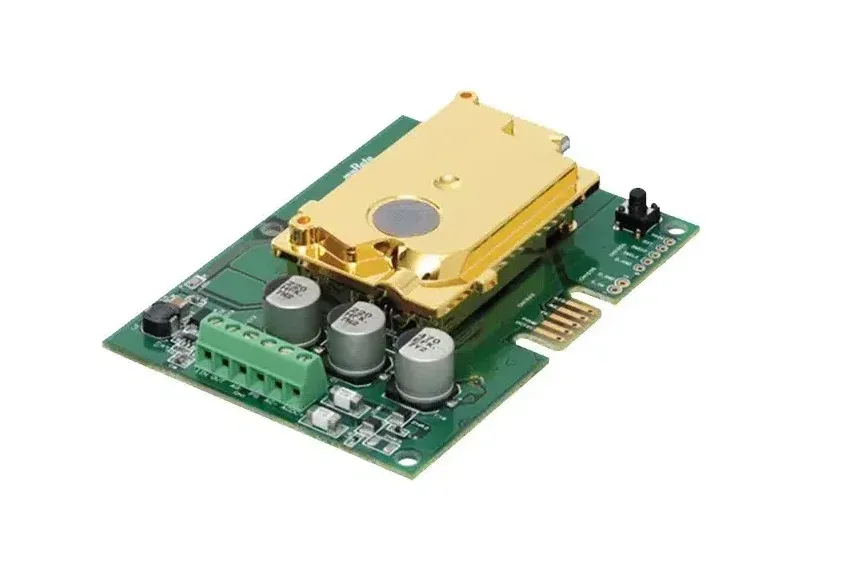
Agricultural CO₂ sensors, most commonly using non-dispersive infrared (NDIR) technology, are valued for their selectivity, high accuracy, and durability. These sensors are robust against environmental interferences such as dust, humidity, and temperature fluctuations, making them reliable tools for greenhouse, livestock, and aquaculture management.
This article explores the significance of CO₂ monitoring in agriculture, its impact on crops and livestock, challenges faced by farm operators, and best practices for installing and maintaining CO₂ sensors.
Plants require CO₂ to perform photosynthesis, the biological process that fuels their growth. In greenhouses and other controlled agricultural environments, maintaining an optimal concentration of CO₂ can dramatically improve plant development. For example, many vegetable crops, fruits, and ornamental plants thrive when CO₂ levels are elevated slightly above atmospheric levels, often around 800–1,200 parts per million (ppm), compared to the typical atmospheric concentration of approximately 400 ppm.
When CO₂ levels are optimal:
Plants can photosynthesize more efficiently, producing more biomass.
Growth rates increase, shortening crop cycles and allowing for more frequent harvests.
Produce quality improves, with better flavor, color, and nutritional content.
However, achieving these benefits requires precise monitoring. If CO₂ levels fall too low, photosynthesis slows, reducing yield. Conversely, if levels are too high, plants may suffer from stress or metabolic imbalances. This is where agricultural CO₂ sensors play a critical role, providing real-time data that informs environmental adjustments.
Greenhouses are tightly controlled environments where factors such as temperature, humidity, light, and CO₂ concentration interact to influence plant growth. CO₂ sensors in greenhouses help operators maintain the delicate balance necessary for optimal photosynthesis.
Most modern agricultural CO₂ sensors use non-dispersive infrared (NDIR) technology. NDIR sensors detect CO₂ by measuring the absorption of infrared light at specific wavelengths corresponding to CO₂ molecules. Their key advantages include:
High selectivity: NDIR sensors can distinguish CO₂ from other gases.
Long operational life: With proper maintenance, NDIR sensors can function reliably for years.
Environmental robustness: They are minimally affected by humidity, temperature changes, and other environmental factors.
High accuracy: Precise measurement ensures optimal CO₂ levels are maintained without waste.
By integrating CO₂ sensors into a greenhouse management system, farm managers can automate CO₂ enrichment processes. For instance, sensors can trigger the release of CO₂ from tanks or generators only when concentrations fall below target thresholds, reducing energy costs and preventing overexposure.
While CO₂ enrichment benefits plants, high CO₂ concentrations in livestock facilities can be hazardous. Animals, like humans, require sufficient oxygen to maintain health and productivity. Elevated CO₂ levels can cause respiratory distress, lower feed intake, reduce growth rates, and increase vulnerability to disease.
Poultry: Levels above 3,000 ppm can cause breathing difficulties and reduce egg production.
Swine: Concentrations above 2,500 ppm may decrease feed efficiency and weight gain.
Cattle: Excess CO₂ can stress animals, lowering milk yield and growth rates.
Maintaining safe CO₂ levels relies on proper ventilation, which can be dynamically controlled using sensor data. CO₂ sensors integrated into farm management systems can trigger ventilation fans, open vents, or activate alarms when concentrations exceed safe thresholds. Automated systems not only improve animal welfare but also optimize energy consumption by avoiding unnecessary ventilation.
Aquaculture facilities, such as fish farms, also benefit from CO₂ monitoring. Dissolved CO₂ in water can accumulate due to respiration from fish and other aquatic organisms. High CO₂ levels reduce oxygen availability, stressing aquatic life and inhibiting growth.
CO₂ sensors, often paired with pH and dissolved oxygen sensors, help operators maintain balanced water chemistry. By ensuring appropriate CO₂ levels, fish growth and survival rates are improved, while minimizing the risk of costly disease outbreaks.
Despite the benefits, managing CO₂ in agricultural environments presents several challenges:
Different crops require different CO₂ concentrations for optimal growth. Even for the same crop, requirements may change depending on the season, developmental stage, or light availability. Continuous monitoring is necessary to ensure that plants receive the precise CO₂ dose at the right time.
The accuracy of CO₂ measurements can be affected by environmental conditions. Humidity, temperature, dust, and air circulation can all influence sensor readings. Inaccurate measurements may result in over- or under-enrichment of CO₂:
Overestimation: Leads to wasted CO₂ and unnecessary energy expenditure.
Underestimation: Limits plant growth and reduces yield.
Most CO₂ sensors require periodic calibration to maintain accuracy. Manual calibration can be labor-intensive, especially in large greenhouses or facilities, as it may require removing sensors or opening doors, affecting the internal environment.
Optimizing CO₂ levels requires seamless integration between sensors and environmental control systems. Inadequate integration can result in delayed responses, ineffective ventilation, or inefficient CO₂ enrichment.
Proper installation is critical for reliable sensor performance:
Location: Place sensors away from direct sunlight, heating vents, fans, or other sources of localized CO₂ fluctuations.
Height: Install at a height representative of the environment, such as at plant canopy level in greenhouses or at breathing height for livestock.
Ventilation: Ensure adequate air circulation around the sensor to avoid pockets of stagnant air.
Environmental Protection: Use protective housings if the sensor is exposed to dust, moisture, or corrosive environments.
Proper maintenance is essential for ensuring that agricultural CO₂ sensors deliver accurate and reliable measurements over time. Regular upkeep not only extends the lifespan of the sensors but also guarantees optimal performance, which is critical for both crop production and livestock health.
Cleaning: Dust, dirt, and other debris can accumulate on sensor inlets, obstructing airflow and causing inaccurate readings. To prevent this, clean sensors periodically using a soft, dry cloth or compressed air. Avoid harsh chemicals that could damage the sensor components.
Calibration: Calibration is key to maintaining measurement accuracy. Follow the manufacturer’s recommended schedule, which may vary from a few months to a year depending on sensor type and usage conditions. Proper calibration ensures that the sensor provides consistent and precise CO₂ readings, preventing over- or under-enrichment of greenhouse air or livestock facilities.
Software Updates: Many modern CO₂ sensors include smart features and firmware that can be updated to enhance accuracy, add functionality, or improve connectivity with automated systems. Keeping firmware up-to-date ensures the sensor operates at peak efficiency.
Inspection: Regular physical inspections are also necessary. Check for signs of damage, loose connections, or corrosion, particularly in humid environments or areas with livestock, where sensors may be exposed to moisture or ammonia. Early detection of issues helps avoid costly downtime and ensures reliable environmental monitoring.
Properly deployed CO₂ sensors provide tangible benefits for agricultural operations:
Increased Crop Yield: By maintaining optimal CO₂ levels, photosynthesis efficiency is maximized, resulting in faster and healthier plant growth.
Improved Crop Quality: Better control over CO₂ improves nutritional content, appearance, and shelf life of produce.
Animal Health and Productivity: Safe CO₂ concentrations in livestock facilities support growth, reproduction, and overall well-being.
Energy Efficiency: Automation reduces wasted energy and CO₂, lowering operating costs.
Data-Driven Decisions: Continuous monitoring provides actionable insights, allowing farm managers to optimize operations and respond proactively to environmental changes.
Advances in technology are driving innovation in agricultural CO₂ monitoring:
IoT Integration: Sensors connected to cloud platforms allow real-time monitoring, remote control, and predictive analytics.
Automated Control Systems: CO₂ sensors integrated with heating, cooling, and ventilation systems enable dynamic environmental control with minimal human intervention.
Multi-Parameter Monitoring: Combining CO₂ sensors with temperature, humidity, light, and nutrient sensors provides a holistic view of environmental conditions.
Low-Maintenance Sensors: Newer sensors require less frequent calibration and maintenance, reducing labor costs and downtime.
Agricultural CO₂ sensors are indispensable tools for modern farming, providing real-time insights that optimize plant growth, animal welfare, and resource efficiency. From greenhouses and livestock houses to aquaculture systems, precise CO₂ monitoring ensures that environmental conditions support productivity, health, and quality.
While challenges such as sensor accuracy, calibration, and environmental interference exist, following proper installation and maintenance protocols can maximize the benefits of these devices. As technology advances, CO₂ sensors are increasingly integrated into smart farming systems, enabling automated control, energy efficiency, and data-driven decision-making.
By embracing CO₂ monitoring, farmers and agricultural managers can create more sustainable, productive, and profitable operations—truly harnessing the power of science to cultivate better yields and healthier livestock.
Previous: Understanding VOCs and TVOCs: Hidden Pollutants That Affect Your Indoor Air Quality
Next: TVOC Gas Sensor: The Key to Cleaner and Healthier Indoor Air