

Indoor air quality has become a growing concern as people spend more time inside homes, offices, and vehicles. While most people are aware of pollutants like dust, carbon monoxide, or mold, one of the most overlooked yet harmful categories of indoor pollutants is volatile organic compounds (VOCs). These invisible gases are emitted from everyday items—from your cleaning sprays and air fresheners to new furniture and building materials. Over time, exposure to VOCs can lead to serious health issues and environmental degradation.
This article explores what VOCs are, where they come from, the concept of Total Volatile Organic Compounds (TVOCs), their effects on air quality and health, and how modern air quality monitors can help detect and manage them effectively.
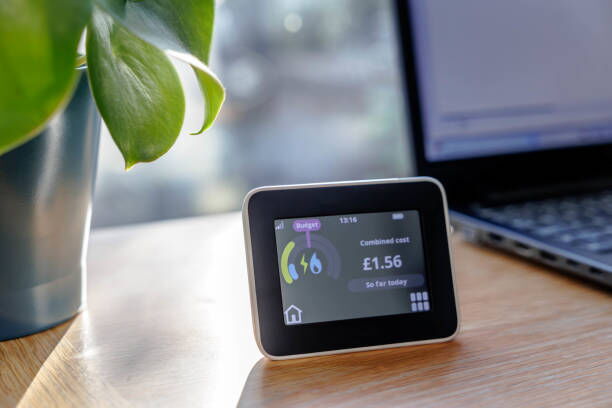
Volatile Organic Compounds (VOCs) are a diverse group of organic chemicals that easily evaporate into the air at room temperature. They contain carbon and are characterized by their high vapor pressure, allowing them to turn into gas even under normal indoor conditions.
In simpler terms, VOCs are invisible gases that seep into your living environment without you noticing. Once airborne, they mix with other indoor pollutants and can accumulate in enclosed spaces—posing a risk to your health and overall comfort.
The majority of indoor VOCs come from products and materials that most households use daily. Some of the most common sources include:
Aerosols and sprays – Air fresheners, insect repellents, deodorants, and cleaning sprays often contain VOCs as propellants or solvents.
Cleaning agents – Household disinfectants, bleach, and solvents release volatile compounds when applied or stored improperly.
Building materials – Paints, varnishes, sealants, adhesives, caulks, and construction materials release VOCs during and after installation.
Furniture and carpets – Many new furniture items, especially those made from particleboard, plywood, or synthetic fabrics, emit VOCs through off-gassing.
Electronics and office equipment – Printers, copiers, and computers can release small amounts of VOCs during operation.
Tobacco smoke and cooking fumes – Both are significant sources of indoor organic gases and particulates.
Even products marketed as “eco-friendly” can still emit VOCs, though often in lower concentrations. Over time, these compounds accumulate indoors, creating an environment that can affect human health and well-being.
Off-gassing refers to the slow release of VOCs from solid or liquid materials into the surrounding air. This process can occur for weeks, months, or even years, depending on the material’s composition, temperature, and humidity.
For example, a newly painted room might continue to emit VOCs for several days, producing that recognizable “fresh paint” odor. Similarly, new furniture or carpeting can continue releasing VOCs long after purchase. Poor ventilation can trap these gases indoors, leading to elevated exposure levels.
VOCs are not just unpleasant-smelling gases—they can be toxic and carcinogenic depending on their type and concentration. The effects vary depending on exposure duration and individual sensitivity.
Eye, nose, and throat irritation
Headaches and dizziness
Nausea and vomiting
Fatigue or drowsiness
Allergic skin reactions
Chronic exposure to high levels of certain VOCs can cause serious health problems, such as:
Damage to the liver, kidneys, and central nervous system
Respiratory diseases such as asthma and chronic bronchitis
Increased risk of cancer (notably from benzene and formaldehyde)
Developmental or reproductive issues
Children, elderly individuals, and people with existing respiratory conditions are particularly vulnerable to VOC-related health risks.
When it comes to assessing indoor air quality, scientists and environmental specialists often refer to TVOC, which stands for Total Volatile Organic Compounds. This measurement represents the sum of all VOC concentrations present in the air at a given time.
Unlike tests that identify individual compounds, TVOC provides a broad overview of the total pollution level caused by all VOCs combined. This approach is practical because there are thousands of different VOCs—many of which exist in trace amounts that are difficult and costly to measure individually.
While the exact composition can vary, TVOC readings typically encompass a mix of the following compounds:
Benzene – A known carcinogen found in paints, glues, and vehicle emissions.
Formaldehyde – Commonly released from pressed wood, particleboard, and textiles.
Toluene – Found in adhesives, paint thinners, and cleaning agents.
Ethylene glycol – Used in antifreeze and some cleaning products.
Methylene chloride – Present in paint strippers and aerosol sprays.
Tetrachloroethylene – Common in dry-cleaning solutions.
Each of these chemicals poses unique health risks, but when combined, their overall impact can be even more harmful—making TVOC measurement essential for maintaining safe indoor environments.
It’s easy to confuse VOC and TVOC, but the distinction is simple:
VOC refers to a single volatile compound—such as benzene or formaldehyde.
TVOC refers to the total concentration of all VOCs present in the air.
Think of it this way: if VOCs are individual flowers, TVOC represents the entire bouquet. Measuring total VOCs gives you a clearer picture of your overall indoor air quality without having to test for each chemical separately.
TVOC levels provide valuable insight into the cumulative impact of these gases on health, comfort, and building performance.
TVOCs directly influence the comfort and safety of indoor spaces. High levels can contribute to the so-called “sick building syndrome,” where occupants experience headaches, fatigue, and irritation that improve once they leave the building. Physical and Environmental Effects as Following:
In poorly ventilated areas, VOCs can accumulate and interact with other pollutants to form secondary contaminants like ozone and formaldehyde.
Prolonged exposure to VOCs can degrade paints, sealants, and adhesives, leading to unpleasant odors and structural deterioration.
High VOC levels can strain HVAC systems as they work harder to ventilate and filter the air, resulting in increased energy costs.
A strong smell often indicates elevated TVOC levels—for example, the scent of a freshly painted wall or new furniture. However, many VOCs have no noticeable odor, which means harmful concentrations can exist without any warning signs. That’s why monitoring air quality continuously is crucial.
Installing a TVOC air quality monitor can significantly enhance your understanding of your indoor environment. These sensors continuously track VOC concentrations and provide real-time feedback, allowing you to take immediate corrective action when levels rise.
Early detection of rising VOC levels allows you to improve ventilation, identify sources, and prevent prolonged exposure.
Clean air boosts concentration and reduces fatigue, especially in workplaces or educational environments.
Data from sensors can optimize HVAC performance, reducing unnecessary ventilation and energy waste.
In commercial or industrial settings, monitoring ensures compliance with occupational safety standards and environmental regulations.
Effective control starts with identifying VOC sources and adopting strategies to minimize emissions.
Monitor VOC readings over several days to understand patterns. Notice when spikes occur—such as after cleaning, painting, or purchasing new furniture. Tracking these patterns helps pinpoint major contributors.
Ensure proper air circulation through windows, exhaust fans, or mechanical ventilation systems. Air purifiers with activated carbon filters can also help absorb VOC molecules from the air.
Opt for low-VOC paints, adhesives, and cleaning agents. Many manufacturers now provide transparent labeling that indicates the VOC content of their products.
Regularly replace filters and clean ducts to prevent pollutants from circulating indoors. An efficient HVAC system can significantly reduce VOC buildup.
Use smart air quality monitors equipped with VOC, CO₂, temperature, and humidity sensors. These devices can send alerts to your smartphone or building management system when VOC levels exceed safe thresholds.
While there’s no universal standard for acceptable indoor TVOC levels, several health agencies and research institutions provide reference values:
Less than 0.3 mg/m³ – Excellent air quality
0.3 – 0.5 mg/m³ – Acceptable or moderate
0.5 – 1.0 mg/m³ – Poor, ventilation recommended
Above 1.0 mg/m³ – Unhealthy, immediate action needed
It’s important to remember that sensitivity varies between individuals. Some people may experience symptoms at lower concentrations, especially those with asthma or chemical sensitivities.
Recent advancements in air quality sensor technology have made monitoring VOCs easier than ever. Smart TVOC sensors use advanced detection methods—such as photoionization detectors (PIDs) or metal oxide semiconductor (MOS) sensors—to measure gas concentrations accurately.
These smart devices can connect to mobile apps or building management systems, providing:
Real-time readings and historical data trends
Alerts when VOC levels exceed safety limits
Automatic integration with ventilation systems
Insights into long-term air quality improvements
Such innovations are becoming standard in modern buildings, schools, healthcare facilities, and even private homes as awareness of indoor air pollution grows.
When you see fluctuating readings from your TVOC monitor, remember that variations are normal. Activities like cooking, painting, or using aerosol sprays can temporarily raise levels. Consistent high readings, however, indicate that something in your environment continually emits VOCs.
Keeping a log of your daily activities alongside your air quality data can help identify patterns and improve long-term indoor air management.
As technology evolves and environmental awareness increases, managing VOCs will become a standard part of building design and maintenance. From green building certifications to sustainable material sourcing, efforts are underway globally to reduce VOC emissions at the source.
Manufacturers are developing paints, adhesives, and cleaning products with ultra-low VOC content, while governments are setting stricter emission standards for construction and consumer goods. These combined efforts aim to ensure that the air we breathe indoors is as clean and healthy as possible.
VOCs and TVOCs are invisible but powerful pollutants that significantly affect indoor air quality, human health, and building performance. Understanding their sources, behavior, and health impacts is the first step toward controlling them.
With the help of TVOC air quality monitors, proper ventilation, and low-emission products, homeowners and businesses can take proactive measures to create cleaner, safer, and more comfortable environments.
Healthy air doesn’t just protect your lungs—it enhances focus, mood, and productivity. As awareness grows, monitoring VOCs will no longer be a luxury—it will be an essential practice for anyone who values a healthy indoor lifestyle.
Previous: Infrared and Laser Dust Sensors: Principles, Applications, and Development Trends
Next: How Agricultural CO₂ Sensors Boost Crop and Livestock Productivity



