

Agriculture is undergoing a historic transformation. As global food demand rises and climate conditions become increasingly unpredictable, farmers are turning to modern technologies to improve efficiency, productivity, and sustainability. One of the most essential advancements driving this transformation is the widespread adoption of smart sensors. From monitoring soil conditions to tracking weather patterns and controlling greenhouse environments, sensors are reshaping how farmers make decisions and manage their fields.
The integration of sensors, smart devices, and Internet of Things (IoT) platforms is ushering agriculture into a new era of precision farming—an era where real-time data becomes just as important as seeds, soil, and sunlight. This news article explores what sensors in agriculture are, how they work, the various types used in farming, and why they are becoming indispensable for the future of global food production.
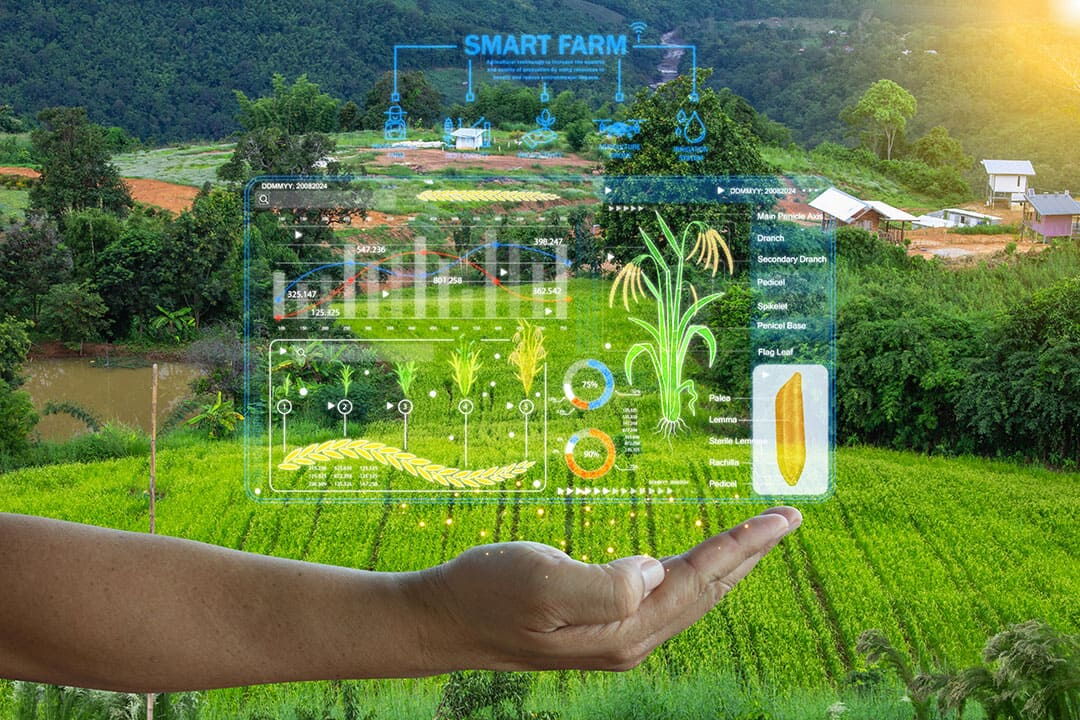
Sensors are electronic devices designed to detect, measure, and transmit data about specific environmental or biological variables. They convert physical or chemical information—such as moisture, temperature, light, or nutrients—into electrical signals that can be analyzed and used to guide farming decisions.
In agricultural applications, sensors collect detailed information about crops, soil, climate, and farm conditions. This data is transmitted to a central system, often cloud-based, where farmers or automated software can analyze it and determine the right course of action. Whether it's adjusting water levels, timing fertilizer applications, or predicting pest outbreaks, the insights sensors provide enable more accurate decision-making.
The development of Internet of Things (IoT) technology has greatly expanded the role of sensors in agriculture. IoT platforms connect sensors across farms, allowing data to flow seamlessly from fields and greenhouses to smartphones, computers, and farm management systems. Instead of relying solely on traditional observation, farmers now have access to precise, real-time information available anytime and anywhere.
Modern farms rely on a wide range of sensors to optimize operations. Here are six of the most valuable types of sensors used across farms, greenhouses, vineyards, and orchards.
Optical sensors use light to measure and analyze various properties of soil, crops, and the surrounding environment. These sensors can be mounted on:
Farm machinery
Drones
Satellites
Robots
Optical sensors work by shining light onto soil or plants and then analyzing the reflected light. Based on the reflection pattern, farmers can determine:
Soil organic matter content
Soil moisture level
Clay content
Crop coloration
Early-stage plant stress
These sensors are especially valuable for large farms because they can quickly capture detailed images and readings across hundreds or thousands of acres. The data contributes to more efficient fertilizer planning, irrigation scheduling, and disease detection.
Electrochemical sensors gather chemical data and help farmers understand soil nutrient composition. They detect the presence of specific ions such as:
Nitrogen
Potassium
Phosphorus
Hydrogen (for pH measurement)
These sensors provide extremely accurate measurements of soil nutrient levels. Often mounted on sleds or soil probes, the collected samples can be sent to laboratories for additional analysis. The core purpose is to help farmers determine what nutrients their soil lacks so they can apply fertilizers more precisely and avoid unnecessary waste.
Mechanical sensors measure soil compaction and physical resistance. They are typically pushed into the soil, and as they penetrate, they record the force required to move through the layers. This data is used to determine:
Compaction levels
Soil texture
Drainage potential
Soil preparation requirements
Compacted soil can restrict root growth, reduce water infiltration, and harm crop yields. Mechanical sensors help farmers identify areas of their fields that need tilling or aeration to improve overall soil health.
These sensors measure the moisture content in soil by detecting its dielectric constant. Because water has a much higher dielectric constant than soil particles, the sensor can calculate moisture levels quickly and accurately.
Dielectric sensors are essential for:
Irrigation planning
Preventing overwatering
Preventing water stress
Ensuring optimal crop growth conditions
They are commonly used in both open-field farming and controlled environments such as greenhouses.
Location sensors are primarily used to collect localized environmental data. They rely on GPS technology to determine where specific conditions or events are taking place across a field. These sensors help monitor:
Weather variations
Microclimates
Pest presence
Soil variability
Farmers can use this information to map their fields and implement zone-specific treatments rather than applying uniform practices everywhere.
Airflow sensors measure how easily air penetrates soil. They determine the pressure needed to push air into the soil at specific depths. This data helps farmers assess:
Soil porosity
Soil health
Aeration needs
Water infiltration capability
Airflow sensors can be stationary or mounted on farm machinery to collect data while moving across the field.
Carbon dioxide (CO₂) is essential for plant growth because it fuels photosynthesis. However, maintaining the right level of CO₂ is critical—both deficiencies and excesses can negatively impact crops.
In indoor agriculture settings such as greenhouses, vertical farms, and hydroponic facilities, CO₂ sensors play a vital role. They monitor CO₂ levels continuously and help regulate:
Plant growth rate
Crop yield
Photosynthesis efficiency
Air quality
If CO₂ drops too low, plants cannot grow effectively. If levels rise too high, plants may suffer, and workers may face health risks. CO₂ sensors help maintain optimal levels, ensuring healthy plant development and consistent production.
Smart sensors are also a key part of modern environmental monitoring systems. These systems track multiple environmental factors in real time and provide automatic control based on collected data.
A comprehensive agricultural environmental monitoring system may include sensors for:
Air temperature
Soil temperature
Humidity
Light intensity
Wind speed
Rainfall
Soil moisture levels
By collecting this data continuously, environmental monitoring systems help farmers maintain optimal growing conditions. For example:
Ventilation systems can open automatically when greenhouse temperatures rise too high.
Irrigation systems can activate when soil moisture drops below a set threshold.
Shading screens can deploy when light intensity becomes too strong.
These automated responses not only save labor but also reduce energy and water waste.
The rise of smart sensors has enabled a new farming methodology known as precision agriculture. Precision agriculture uses detailed data from sensors to guide farming decisions with exceptional accuracy. Rather than treating an entire field uniformly, farmers can now customize:
Irrigation
Fertilization
Chemical treatments
Planting density
Harvest timing
based on specific conditions in each part of the field.
This precise management improves yield while reducing resource use. Farmers can maximize outputs with minimal environmental impact—a crucial goal as global farming shifts toward sustainability.
IoT-enabled sensors also support long-term recordkeeping by storing historical data. Farmers can analyze past seasons to identify patterns, challenges, and opportunities for improvement.
Climate conditions such as temperature, humidity, and wind directly influence plant health and crop growth. With climate change causing unpredictable weather patterns, real-time weather monitoring has become essential.
Smart sensors provide farmers with:
Early warnings about potential heatwaves
Alerts when temperatures drop toward frost levels
Rainfall predictions
Soil temperature changes
Humidity-related disease risks
By accessing this information through smartphone apps or farm dashboards, farmers can make timely decisions that protect crops from climate threats.
Real-time weather monitoring is especially valuable for:
Irrigation planning
Greenhouse management
Crop disease prevention
Frost protection
Pest management
As extreme weather events become more common, smart sensors provide the data farmers need to respond quickly and effectively.
Agricultural challenges are growing, from labor shortages and climate change to fluctuating resource availability. Sensors provide a powerful solution by enabling smarter, data-driven decisions on farms of all sizes.
Key benefits include:
Improved crop yield through optimized growing conditions
Reduced water usage thanks to precise irrigation
Lower fertilizer and chemical costs
Earlier detection of disease and nutrient deficiencies
Better soil health monitoring
Enhanced sustainability practices
Higher profitability for farmers
Reduced carbon footprint through efficient resource use
As global populations rise, the need for sustainable and scalable agriculture becomes even more critical. Sensors ensure that farms can meet food production demands without overusing resources or harming the environment.
Sensors are rapidly becoming a cornerstone of modern agriculture. From monitoring soil nutrients to managing climate conditions in greenhouses, agricultural sensors enable farmers to make smarter, faster, and more informed decisions. By integrating these sensors with IoT networks, data analytics, and automated control systems, farmers can embrace precision agriculture and achieve higher efficiency and productivity.
In an age where food security and sustainability are global priorities, sensors offer a pathway to modern, resilient, and environmentally responsible farming. Their role will only continue to grow as technology advances and the agricultural sector evolves to meet the challenges of the future.
Previous: Low-Cost PM Sensors: Real-Time Indoor Air Quality Insights
Next: NDIR CO₂ Gas Sensor: Accurate and Reliable Monitoring for Modern Applications



