

In the modern world, air pollution has emerged as one of the greatest environmental health risks. Among the many pollutants in our atmosphere, PM2.5 stands out as one of the most harmful. Short for particulate matter that is 2.5 micrometers or smaller in diameter, PM2.5 particles are tiny enough to penetrate deep into human lungs, enter the bloodstream, and cause a range of health issues, including respiratory and cardiovascular diseases.
This is where the importance of PM2.5 sensors comes into play. These advanced devices allow us to monitor air quality in real time, providing actionable insights that can help individuals, businesses, communities, and policymakers make informed decisions to reduce exposure and improve overall air quality. But while these sensors are powerful tools, their effectiveness relies heavily on proper installation and maintenance.
This comprehensive article will cover the basics of PM2.5, how these sensors work, their benefits, and—most importantly—a detailed, practical guide to installing them correctly to ensure the data you collect is as accurate and meaningful as possible.
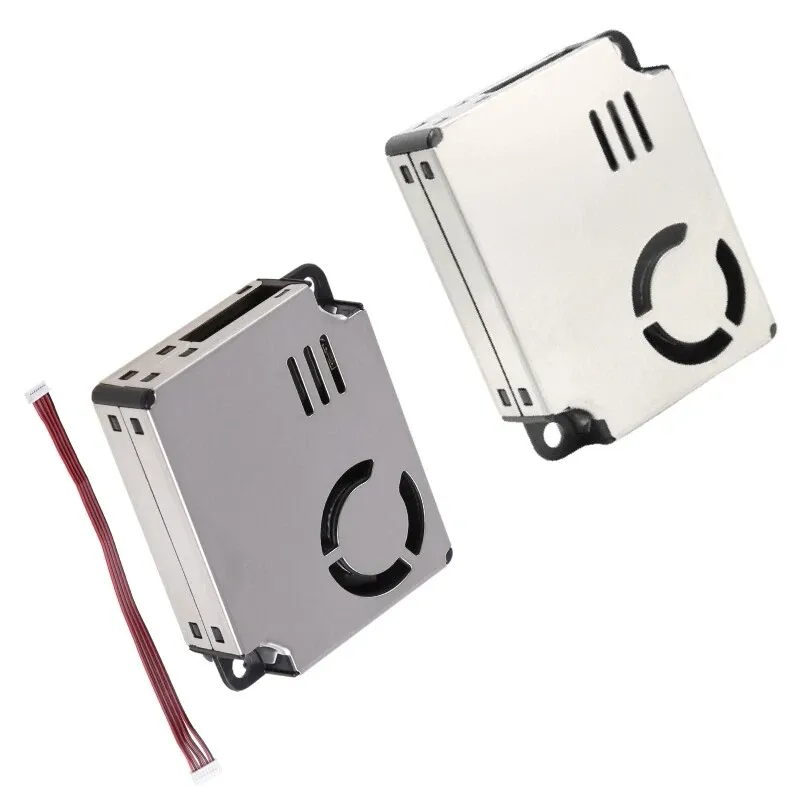
PM2.5 refers to fine inhalable particles with diameters that are generally 2.5 micrometers and smaller—roughly 30 times smaller than the width of a human hair. Due to their tiny size, these particles remain suspended in the air for long periods and can be transported over long distances by wind and weather.
PM2.5 originates from various sources, both natural and man-made. Common sources include:
Vehicle exhaust: Cars, trucks, buses, and other motor vehicles emit fine particles through combustion.
Industrial emissions: Factories and power plants often release PM2.5 through processes involving burning fossil fuels.
Residential heating: Wood-burning stoves and open fires can also contribute significant amounts of PM2.5.
Construction sites and road dust: Activities that disturb soil or create dust clouds add to the PM2.5 load.
Natural sources: Wildfires, volcanic eruptions, and even pollen and dust storms can increase PM2.5 levels dramatically.
Because PM2.5 particles are so small, they easily bypass the body’s natural defenses, like nasal hairs and mucus, entering deep into the lungs. Prolonged exposure has been linked to chronic bronchitis, lung cancer, and even premature death. Children, the elderly, and those with pre-existing respiratory conditions are particularly vulnerable.
A PM2.5 sensor—sometimes called a particulate matter sensor or fine dust sensor—is an electronic device specifically designed to measure the concentration of PM2.5 particles in the ambient air.
Most modern PM2.5 sensors operate based on the principle of laser scattering. Here’s how they work:
Air Sampling: The sensor uses a small fan or similar mechanism to draw ambient air into a detection chamber.
Particle Detection: Inside the chamber, a laser light source illuminates the air sample. When particles pass through the laser beam, they scatter the light in various directions.
Light Scattering Detection: A photodetector captures the scattered light. By analyzing the intensity and angle of scattered light, the sensor determines the size and quantity of particles.
Data Processing: The sensor converts this information into a concentration reading, usually displayed in micrograms per cubic meter (µg/m³). Advanced sensors may also differentiate between PM1.0, PM2.5, and PM10.
Data Output: The sensor then transmits this data to a connected display, smartphone app, or cloud-based monitoring platform for further analysis and visualization.
The widespread adoption of PM2.5 sensors in homes, offices, industrial sites, and cities worldwide is driven by their numerous benefits:
These sensors provide instant feedback on air quality, allowing for immediate protective actions when PM2.5 levels spike.
Compact and lightweight, most sensors can be installed without complex infrastructure. Many models are designed for plug-and-play use.
PM2.5 sensors typically consume very little energy, allowing for continuous operation over long periods without frequent battery replacements or charging.
Many sensors connect to networks or cloud systems, enabling real-time data visualization through mobile apps or dashboards. This helps users understand trends and take evidence-based actions.
High-quality sensors detect changes in air quality quickly, providing data that’s timely and relevant.
PM2.5 sensors can be easily integrated into larger environmental monitoring networks, smart home systems, or industrial control systems.
A PM2.5 sensor’s performance depends not only on its design and manufacturing quality but also on how it’s installed and where it’s located. Even the most advanced sensor will provide misleading data if installed incorrectly.
For example, installing a sensor too close to a localized pollution source—like a chimney or an exhaust vent—can lead to artificially high readings that don’t represent the broader ambient air quality. Similarly, placing it in a sheltered spot with poor air circulation may cause it to underestimate pollution levels.
For policymakers, scientists, or businesses making decisions based on this data, inaccurate readings can lead to misguided actions. That’s why understanding and following best practices for installation is so critical.
Let’s walk through the step-by-step process for installing a PM2.5 sensor effectively.
The first step is selecting an appropriate site. Some key factors to consider:
The sensor should be in a location where the air is well-mixed and representative of the area you want to monitor. Avoid places with stagnant air or where wind doesn’t circulate freely.
Keep the sensor away from direct emission sources like vehicle exhaust pipes, industrial chimneys, or kitchen vents. Ideally, place it at least several meters away to avoid skewed data.
Install the sensor at a height that aligns with the exposure level of concern. For outdoor monitoring, a typical recommendation is about 1.5 to 3 meters above ground level—the average breathing zone for humans.
Don’t place the sensor too close to walls, fences, or large objects that could block airflow. Good airflow is critical for representative sampling.
For indoor monitoring, ensure the sensor is not directly in the path of air purifiers or HVAC vents, which can lead to misleadingly low readings.
Most PM2.5 sensors have air inlets that should remain unobstructed. Follow the manufacturer’s instructions regarding positioning. Some sensors need to be level to function accurately.
Depending on your environment:
Wall-Mounted Sensors: Use sturdy brackets to secure the device. Make sure it’s stable and won’t vibrate, which can affect readings.
Pole-Mounted Sensors: If you’re setting up a sensor outdoors in a more exposed area, consider mounting it on a dedicated pole, ensuring it’s secure enough to withstand wind and weather.
Portable Units: For temporary installations or mobile monitoring, place the sensor on a stable, level surface. Make sure it’s protected from tampering.
While many sensors are weatherproof, extreme conditions can still affect performance. Consider using a simple radiation shield or protective cover that allows airflow but blocks rain, snow, or direct sunlight, which can impact sensor optics and electronics.
Ensure your sensor is connected to a reliable power source. If it’s battery-operated, check battery levels regularly. For network-enabled models, test the Wi-Fi or cellular connection during setup to confirm that data uploads correctly.
Before you start relying on the data, validate your sensor’s readings:
Compare the output with a known reference monitor, if available.
Conduct spot checks periodically.
Some advanced sensors come pre-calibrated, but routine checks help ensure long-term accuracy.
Regular maintenance is essential:
Keep the sensor clean and dust-free.
Replace filters if your model uses them.
Check for firmware updates if the sensor is network-connected.
Here are some frequent pitfalls you should steer clear of:
Placing the sensor indoors when outdoor data is needed (or vice versa).
Mounting too close to windows that are often open or closed, affecting airflow patterns.
Locating the device near heat sources like direct sunlight, which can alter readings.
Ignoring manufacturer-specific installation guidelines.
PM2.5 sensors are used across a wide range of sectors:
Residential: Indoor air quality is a growing concern, especially in urban homes. Integrating sensors with smart home systems allows for real-time monitoring and automatic control of air purifiers or ventilation systems.
Industrial: Factories and warehouses deploy sensors to ensure they remain within environmental compliance limits and protect worker health.
Urban Planning: Municipalities install networks of PM2.5 sensors across cities to build detailed pollution maps, inform policy decisions, and issue public health advisories.
Education and Research: Schools and universities use sensors to study local air quality trends and educate students on environmental issues.
Public Spaces: Sensors installed in parks and recreation areas help communities know when it’s safe to exercise outdoors.
PM2.5 sensors are powerful tools in our fight against air pollution, but they’re only as good as their installation and maintenance allow them to be. With accurate, real-time data, communities can protect vulnerable groups, businesses can ensure safe work environments, and cities can craft smarter, more sustainable policies.
Proper installation is the foundation for trust in your data. By following best practices—from choosing the right site and mounting securely to maintaining your device regularly—you can be confident that your sensor will deliver reliable insights, day after day.
Whether you’re a researcher, policymaker, facilities manager, or a concerned homeowner, investing the time to get your PM2.5 sensor setup right is an investment in cleaner air and healthier lives.
Previous: How Does a Carbon Dioxide Detector Work?
Next: TVOC Air Quality Detection Module: Understanding, Monitoring, and Ensuring Cleaner Indoor Air



