

In recent years, agriculture has experienced a significant technological transformation. Traditional farming practices are increasingly being complemented—or even replaced—by digital solutions designed to maximize efficiency, productivity, and sustainability. Among the most impactful innovations are smart farming sensors, which have become indispensable tools in precision agriculture.
Smart farming sensors harness the power of the Internet of Things (IoT), data analytics, and automation to provide farmers with real-time insights into the conditions of their crops, soil, and surrounding environment. By continuously monitoring key parameters, these sensors enable data-driven decisions, reduce resource wastage, and improve crop yields. As global population growth and climate change put additional pressure on food production systems, smart sensors are emerging as critical components in modern agricultural management.
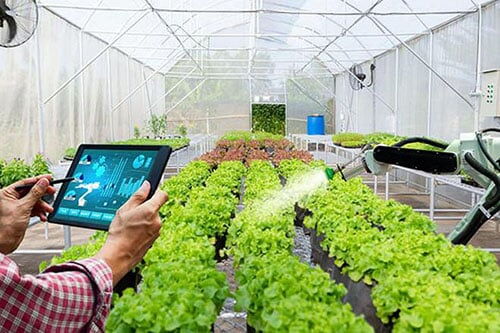
At their core, smart farming sensors are devices designed to collect, transmit, and process data from agricultural environments. The information gathered allows farmers to make informed decisions regarding irrigation, fertilization, pest control, and overall crop management.
The working principle of these sensors is relatively straightforward:
Sensors measure various environmental and biological parameters. These can include soil moisture, temperature, humidity, nutrient levels, light intensity, plant health indicators, and water quality metrics. Each sensor type is specialized for a specific set of measurements.
Once collected, the data is transmitted to a central system, often via wireless technologies such as LoRaWAN, Zigbee, or Wi-Fi. In larger farm setups, sensors can form a network that communicates with a cloud-based platform, ensuring real-time updates and remote accessibility.
The transmitted data is processed either locally or on cloud servers. Advanced analytics, often powered by AI and machine learning algorithms, can predict trends, detect anomalies, and provide actionable recommendations.
Farmers can access the processed information through mobile applications, desktop dashboards, or integrated farm management software. These interfaces allow for monitoring, alerts, and decision-making from virtually anywhere.
A typical smart sensor system consists of:
Sensors for data collection (soil, weather, water, plant health, etc.)
Connectivity modules for data transmission
Data processing units for real-time analysis
User interfaces for actionable insights
The ability to make timely, informed decisions is what sets smart farming sensors apart. For instance, knowing the exact soil moisture levels in different field sections allows farmers to irrigate crops precisely when needed, reducing water consumption while ensuring optimal plant growth. Similarly, early detection of nutrient deficiencies or pest infestations can prevent crop losses and minimize the overuse of fertilizers or pesticides.
Smart farming sensors come in a variety of types, each serving a specific purpose in the agricultural ecosystem. The following are some of the most widely used sensor categories:
Soil moisture sensors measure the volumetric water content of soil in real time. By providing precise data on how much water the soil retains, these sensors enable farmers to apply the right amount of irrigation exactly when it is needed.
Benefits:
Reduces water wastage and irrigation costs
Prevents overwatering, which can lead to root rot or nutrient leaching
Supports sustainable water management practices
Soil moisture sensors are particularly valuable in regions facing water scarcity or during drought conditions. When integrated with automated irrigation systems, these sensors can trigger irrigation events only when necessary, achieving optimal crop hydration with minimal resource use.
Weather sensors are used to monitor environmental conditions such as temperature, humidity, wind speed, rainfall, and solar radiation. This information is critical for predicting weather patterns and making proactive farming decisions.
Benefits:
Helps plan planting and harvesting schedules
Reduces crop damage due to extreme weather events
Optimizes irrigation and fertilization practices based on predicted conditions
Modern weather sensors often include advanced capabilities, such as forecasting algorithms and integration with regional weather data. By combining local sensor data with broader meteorological insights, farmers can enhance crop resilience and productivity.
Crop health sensors assess plant condition through parameters like chlorophyll content, leaf temperature, plant stress levels, and even early signs of disease. These sensors allow farmers to detect issues before they become widespread, enabling targeted interventions.
Benefits:
Early detection of nutrient deficiencies or pest infestations
Reduces the need for blanket pesticide applications
Enhances crop quality and yield
Crop health sensors often use optical, thermal, or multispectral imaging to detect subtle changes in plant physiology. When connected to farm management platforms, these sensors can provide recommendations for fertilizer application, pest control measures, or irrigation adjustments.
Irrigation water quality is a critical factor in maintaining soil health and crop productivity. Water quality sensors monitor parameters such as pH, electrical conductivity, dissolved oxygen levels, and nutrient content.
Benefits:
Prevents soil salinity and chemical buildup
Ensures crops receive safe, nutrient-rich water
Supports precision irrigation practices
These sensors are particularly important in areas where irrigation water comes from wells, rivers, or recycled sources. Continuous monitoring ensures that water quality remains within optimal ranges, protecting both crops and soil ecosystems.
CO2 sensors are commonly used in greenhouses or controlled indoor farming environments to monitor carbon dioxide levels. Adequate CO2 concentration is essential for photosynthesis and overall plant growth.
Benefits:
Optimizes greenhouse ventilation and CO2 enrichment
Enhances photosynthetic efficiency and plant growth rates
Supports controlled environment agriculture (CEA)
By integrating CO2 sensors with environmental control systems, farmers can maintain ideal conditions for crops throughout the growing cycle, leading to higher yields and better-quality produce.
Smart farming sensors offer numerous advantages that go beyond simple monitoring. Their adoption brings tangible improvements in productivity, resource management, and sustainability.
Precision Agriculture: Sensors allow for precise application of water, fertilizers, and pesticides, reducing waste and environmental impact.
Real-Time Monitoring: Continuous data collection enables farmers to respond immediately to changes in soil, weather, or plant health.
Data-Driven Decisions: Advanced analytics provide actionable insights, helping farmers make informed decisions that improve yields and efficiency.
Cost Reduction: Optimized resource use lowers operational costs, including water, fertilizers, and energy consumption.
Sustainability: Efficient management practices contribute to sustainable agriculture by reducing chemical runoff, conserving water, and minimizing environmental damage.
Risk Mitigation: Early detection of disease, nutrient deficiencies, or environmental stressors minimizes crop losses and ensures consistent production.
The real potential of smart farming sensors is unlocked when they are integrated into IoT ecosystems and farm management platforms. These systems aggregate data from multiple sensors, analyze it using advanced algorithms, and provide actionable insights to farmers.
Cloud-Based Platforms: Cloud storage allows farmers to access historical and real-time data remotely, enabling better planning and forecasting.
Mobile Applications: User-friendly apps provide real-time notifications, visual dashboards, and recommendations for farm management.
Automated Systems: Sensors can be connected to automated irrigation, fertilization, and climate control systems, enabling precision interventions without manual intervention.
By combining sensors with IoT, AI, and automation, smart farms can achieve unprecedented levels of efficiency, sustainability, and productivity.
While smart farming sensors offer significant advantages, farmers must also navigate several challenges:
High Initial Investment: Advanced sensor systems can be expensive, particularly for small-scale farmers.
Technical Expertise: Farmers need adequate training to operate and maintain sensor networks effectively.
Data Management: Handling large volumes of data requires robust systems and analytical tools.
Connectivity Issues: In rural areas, stable wireless networks may be limited, affecting real-time data transmission.
Sensor Maintenance: Sensors require periodic calibration and maintenance to ensure accuracy and longevity.
Despite these challenges, ongoing innovation and decreasing technology costs are making smart farming sensors increasingly accessible and practical for farms of all sizes.
The future of agriculture is closely tied to advancements in sensor technology. Emerging trends include:
Multi-parameter Sensors: Devices that monitor multiple parameters simultaneously, reducing the need for separate sensors.
AI-Enhanced Analytics: Predictive models that provide proactive recommendations for crop management.
Energy-Efficient Sensors: Solar-powered and low-energy sensors to reduce operational costs.
Robotics Integration: Sensors mounted on drones, autonomous tractors, or robots for real-time, large-scale field monitoring.
Blockchain Integration: Ensuring transparency and traceability in food production through secure data management.
As technology evolves, smart farming sensors will continue to play a pivotal role in transforming agriculture into a more efficient, sustainable, and data-driven industry.
Smart farming sensors are more than just monitoring devices; they are essential tools for modern agriculture. By providing real-time insights into soil, weather, water, and crop conditions, these sensors empower farmers to make informed decisions, optimize resource use, and improve crop yields.
The integration of IoT, cloud computing, and data analytics has amplified the potential of these devices, enabling precision agriculture and sustainable farming practices. As sensor technology continues to advance, its adoption will accelerate the shift toward smarter, more resilient agricultural systems, meeting the growing global demand for food while conserving natural resources.
In the age of digital agriculture, smart farming sensors represent the foundation for the farms of the future—efficient, sustainable, and fully connected.
Previous: Particulate Matter Sensors: A Comprehensive Guide to Air Quality Monitoring
Next: Understanding Indoor and Outdoor Air Quality: Monitoring, Technology, and Health Impacts



