

In today’s fast-paced and increasingly indoor-oriented lifestyle, the quality of the air we breathe inside our homes, offices, and public buildings has become a critical health concern. Indoor air quality (IAQ) is no longer a niche issue—it’s a mainstream priority for health-conscious individuals, property managers, and employers alike.
With people spending up to 90% of their time indoors, the air we inhale within enclosed spaces has a direct impact on our well-being. Poor IAQ has been associated with a variety of negative health outcomes, ranging from short-term symptoms like headaches and dizziness to chronic conditions such as asthma, allergies, cardiovascular problems, and even cognitive decline.
But why is indoor air often more polluted than the air outside? And how can we monitor and improve it efficiently? The answer lies in understanding the factors that affect IAQ and in leveraging modern technology—particularly air sensors—to track and manage indoor air more effectively.
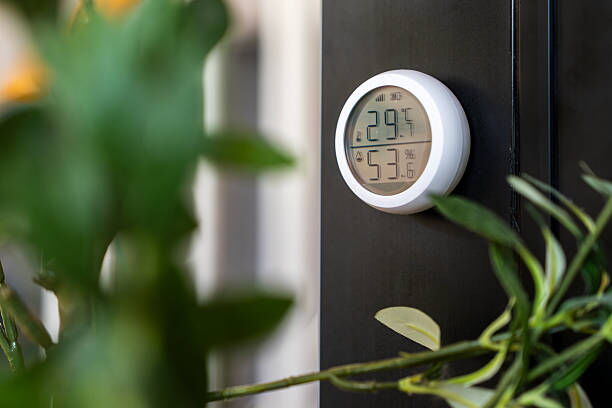
Indoor Air Quality refers to the condition and cleanliness of the air within buildings and other enclosed spaces. It’s influenced by a range of factors, including pollutants, humidity, ventilation, and occupant activities. Poor IAQ can result from both outdoor pollutants entering the space and indoor sources such as building materials, furnishings, or even daily routines like cooking and cleaning.
Maintaining good IAQ is essential not only for comfort but also for preventing illnesses and enhancing mental clarity and productivity. High-quality indoor air supports better sleep, improves focus, and reduces the risk of respiratory and cardiovascular problems.
VOCs are chemicals released into the air from various sources, including:
Paints, varnishes, and solvents
Cleaning agents and air fresheners
Building materials and furnishings
Office equipment such as printers and copiers
These compounds can cause eye, nose, and throat irritation, headaches, and even damage to the liver, kidneys, or central nervous system when exposure is prolonged.
PM refers to tiny particles suspended in the air, often from sources like:
Smoke (tobacco or cooking)
Dust accumulation
Pollen
Pet dander
Combustion from gas stoves or candles
These fine particles can penetrate deep into the lungs and bloodstream, contributing to asthma, bronchitis, and cardiovascular diseases.
A colorless, odorless gas, carbon monoxide is extremely dangerous and can be emitted by malfunctioning gas appliances, fireplaces, or vehicles idling in attached garages. Even low-level exposure can lead to fatigue and confusion, while high exposure can be fatal.
While not toxic in small amounts, elevated CO₂ levels indoors—often due to poor ventilation—can lead to drowsiness, headaches, and reduced cognitive function.
High humidity fosters mold growth and dust mites, both of which are major allergens. Low humidity, on the other hand, can cause dry skin, throat irritation, and respiratory discomfort.
Formaldehyde: Found in particleboard, plywood, insulation, and adhesives
Nitrogen Dioxide (NO₂): Emitted from gas stoves and heaters
Ozone (O₃): Often a byproduct of air purifiers or printers
Chlorine, Ammonia, and Hydrogen Sulfide: Present in household cleaners and some industrial environments
Many indoor air pollutants are the result of everyday human activity. Here's a look at some common sources:
Cooking: Frying or grilling can release oil particles and combustion gases.
Cleaning Products: Sprays, bleach, and solvents can introduce a cocktail of VOCs.
Smoking: Tobacco smoke contains over 7,000 chemicals, many of which are toxic.
Pets: Dogs and cats shed dander, hair, and microbes that linger in the air.
Furnishings: Carpets, curtains, and upholstered furniture can trap and release dust and allergens.
Construction Materials: New floors, drywall, or insulation can off-gas chemicals for months or even years.
Understanding these sources is the first step in making smarter decisions about indoor air quality management.
Ventilation is the process of exchanging indoor air with fresh air from outside. Poor ventilation allows pollutants to accumulate indoors, while good ventilation helps dilute and remove them. Modern buildings, which are often tightly sealed for energy efficiency, may lack sufficient natural airflow, making mechanical ventilation systems and smart air control devices essential.
Technological advancements have made it easier than ever to measure and improve IAQ. Among the most effective tools are air sensors—compact, cost-efficient, and capable of delivering real-time data about indoor air conditions.
Air sensors are electronic devices that detect and measure various air quality parameters. These devices are typically small, user-friendly, and designed for easy installation in residential, commercial, and industrial environments.
Air sensors monitor the presence and concentration of pollutants and environmental factors, providing instant feedback and actionable insights.
Most modern air sensors can monitor a variety of parameters, including:
Temperature and Humidity
Particulate Matter (PM1.0, PM2.5, PM10)
Volatile Organic Compounds (VOCs)
Carbon Monoxide (CO)
Carbon Dioxide (CO₂)
Formaldehyde (HCHO)
Ozone (O₃)
Nitrogen Dioxide (NO₂)
Hydrogen Sulfide (H₂S)
Ammonia (NH₃)
Nitric Oxide (NO)
Air sensors provide immediate feedback on indoor air conditions. This allows homeowners, businesses, and facility managers to identify air quality problems as they arise and take corrective actions promptly.
By continuously monitoring IAQ, users can proactively address health risks before they become serious problems—such as identifying mold growth conditions or harmful gas leaks.
Many HVAC systems can now be integrated with air sensors to optimize performance based on real-time data. This ensures better air circulation, temperature control, and energy savings by avoiding over-ventilation or under-heating.
Cloud-enabled air sensors can upload data to platforms where users can track historical trends, compare performance across multiple rooms or buildings, and receive alerts or recommendations via mobile apps.
Studies have shown that high CO₂ levels and poor IAQ contribute to cognitive decline and sluggishness. In workplaces and schools, air sensors can help maintain optimal air conditions that support focus, alertness, and performance.
Air sensors are not limited to residential use. They are being widely adopted across different sectors:
Air sensors help families create healthier living environments, especially for children, the elderly, and those with respiratory issues.
Sensors integrated with smart HVAC systems ensure that office environments maintain optimal IAQ, supporting employee productivity and well-being.
Educational institutions use air sensors to track air quality in classrooms and dormitories, promoting safer learning environments.
Hospitals and clinics depend on air sensors to maintain sterile, pollutant-free environments essential for patient care and infection control.
Proper ventilation and air quality are vital in high-exertion environments like gyms, where airborne pollutants can easily spread.
With a growing market for air quality monitors, selecting the right one can be daunting. Here are a few factors to consider:
Sensor Accuracy: Look for certified products with proven performance in detecting key pollutants.
Multiple Parameters: A good sensor should monitor more than just temperature and humidity.
Connectivity: Choose devices that offer Bluetooth, Wi-Fi, or cloud-based integration.
Portability: Compact and lightweight devices are easier to move and install.
User Interface: An intuitive app or display helps interpret data more easily.
Integration with Smart Systems: Compatibility with smart home or building management systems allows for automation and control.
As awareness of IAQ continues to rise, the future of air sensor technology looks promising. Upcoming innovations may include:
AI-powered Predictive Analytics: Forecasting IAQ trends based on usage patterns.
Wearable Air Sensors: Personal air quality trackers for individuals with allergies or asthma.
Blockchain for Data Integrity: Secure IAQ reporting for regulated environments.
Automated HVAC Systems: AI-integrated sensors that autonomously adjust indoor climate systems.
Indoor air quality directly affects our health, comfort, and productivity. Whether you're managing a home, an office, or a public facility, understanding and improving IAQ should be a top priority.
With the rise of smart air sensors, we no longer have to guess what we’re breathing. These devices empower us with real-time data, allowing for quick action and long-term improvement. By investing in air quality monitoring and management, we’re not just enhancing our indoor spaces—we’re safeguarding our future.
Previous: Understanding CO₂ Sensors: How NDIR and Electrochemical Technologies Measure Air Quality
Next: How to Choose Between Laser Dust Sensors and Infrared Dust Sensors



