

Environmental sensor monitoring has rapidly evolved into a cornerstone of modern data center operations, facility management, and environmental protection strategies. These advanced monitoring systems are engineered to detect, measure, and analyze a wide spectrum of environmental parameters, ensuring operational efficiency, equipment safety, and regulatory compliance. By capturing real-time data on temperature, relative humidity, differential air pressure, and potential leaks, environmental sensors provide actionable insights that can prevent downtime, optimize energy consumption, and safeguard critical assets.
The versatility of environmental sensors is remarkable. Available in both battery-powered and AC-powered configurations, these devices enable fast, straightforward deployment across a wide variety of settings—from enterprise data centers and industrial facilities to laboratories and commercial buildings. Their adaptability ensures that organizations can monitor environmental conditions in locations where wiring may be challenging, or where temporary monitoring solutions are required.
Understanding environmental sensor technology, including its types, deployment strategies, and integration with software platforms like DCIM (Data Center Infrastructure Management), is crucial for facilities managers, engineers, and environmental monitoring professionals seeking to maximize operational reliability and efficiency.
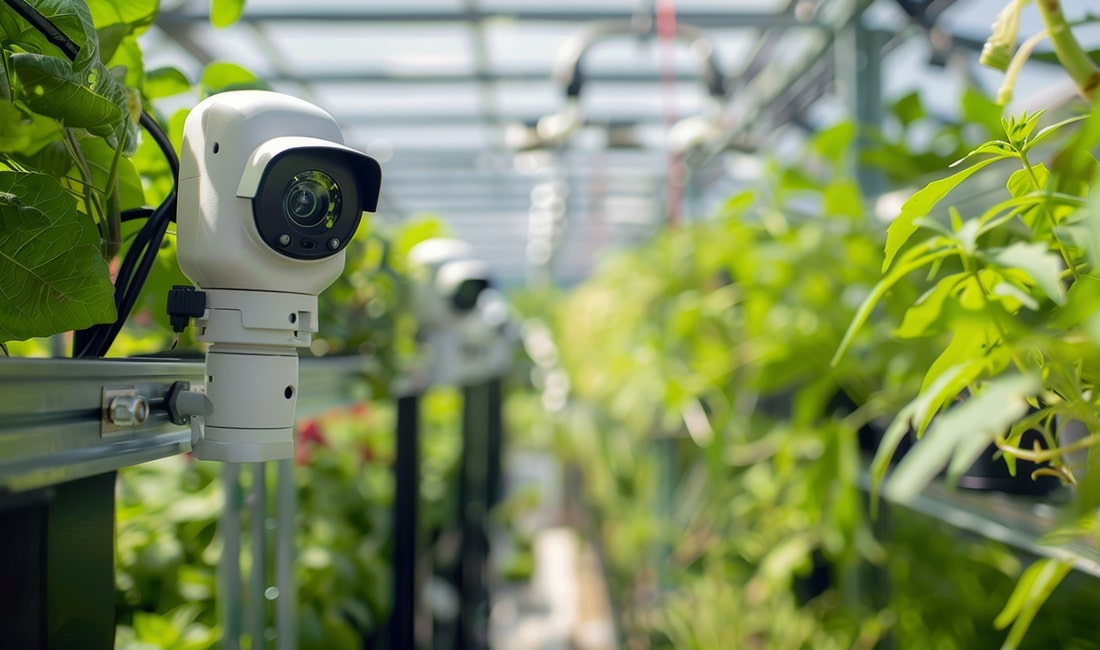
At their core, environmental sensors are devices designed to detect, quantify, and report changes in environmental conditions. Unlike traditional measurement tools, modern sensors are highly precise, capable of providing continuous, real-time feedback for proactive management.
Environmental sensors serve multiple functions:
- Data Collection: Capture accurate and continuous data on environmental conditions, which is critical for analysis and decision-making.
- Alarm and Notification: Trigger alerts when measurements exceed predefined thresholds, allowing for rapid corrective action.
- Trend Analysis: Support predictive analytics by providing historical data that informs energy efficiency, preventive maintenance, and operational improvements.
- Integration with Monitoring Platforms: Work seamlessly with systems such as DCIM software, building management systems (BMS), and IoT platforms, enabling centralized monitoring and automation.
The data collected by environmental sensors is essential not only for protecting physical infrastructure but also for ensuring compliance with industry standards, regulatory requirements, and best practices for equipment management.
Temperature control is critical for maintaining the longevity and performance of sensitive equipment, particularly in data centers, laboratories, and industrial facilities.
Modern temperature sensors are capable of:
- Detecting hot spots where localized heat could damage servers or machinery.
- Identifying areas where overcooling occurs, leading to unnecessary energy consumption and inflated operational costs.
A common oversight is monitoring temperature only at the room level, rather than at critical points such as server inlets, outlets, and racks. Industry best practices, such as those recommended by the American Society of Heating, Refrigerating and Air-Conditioning Engineers (ASHRAE), emphasize maintaining:
- Inlet temperature: 18°C to 27°C (65°F to 80°F)
- Exhaust temperature: At least 20°C (35°F) above the intake
Advanced temperature sensors provide granular data for precise thermal management, allowing facilities managers to optimize airflow, adjust cooling systems dynamically, and prevent costly equipment failures.
Relative humidity is another critical environmental factor. Both excessively dry and overly humid conditions can significantly impact equipment performance and safety.
- Low Humidity Risks: Dry environments increase the likelihood of static electricity, which can damage sensitive electronics and create sparks that threaten operational safety.
- High Humidity Risks: Excess moisture accelerates corrosion of metallic components, promotes mold growth, and can cause condensation-related electrical failures.
Humidity sensors enable continuous monitoring to maintain a stable environment that aligns with operational requirements. Integration with cooling, dehumidification, and ventilation systems ensures consistent conditions, even as outdoor weather fluctuates. By maintaining humidity within the recommended range—typically 40% to 60% relative humidity—facilities reduce downtime risks and prolong the lifespan of critical assets.
Pressure monitoring is particularly important in environments with controlled airflow, such as hot aisle/cold aisle configurations in data centers. Differential air pressure sensors measure variations in air pressure between spaces to ensure optimal cooling and airflow.
Common applications include:
- Rack-Level Monitoring: Sensors placed at the top and bottom of server racks detect airflow imbalances that could create hot spots.
- Aisle Monitoring: Ensures that partitions, such as plastic curtains in hot/cold aisle deployments, remain properly positioned and do not obstruct airflow.
- Underfloor and Plenum Monitoring: Differential pressure sensors detect leaks or imbalances beneath perforated tiles or in air plenums, optimizing cooling efficiency.
- Chimney Monitoring: Detects leakage of hot air from high-pressure racks into adjacent low-pressure racks, preventing localized overheating.
By providing continuous data on airflow and pressure differences, these sensors help maintain uniform cooling, prevent energy waste, and protect against equipment overheating.
In addition to temperature, humidity, and pressure, modern environmental sensor systems often include leak detection capabilities.
- Water Leak Detection: Sensors can detect condensation, plumbing leaks, or flooding in server rooms, laboratories, and manufacturing facilities.
- Refrigerant Leak Detection: Monitors HVAC and cooling systems to identify leaks that could compromise system performance or environmental safety.
- Chemical or Gas Leak Detection: Some facilities, such as laboratories and industrial plants, deploy sensors to detect hazardous gases or chemicals, enabling rapid emergency response.
Leak detection sensors often work in combination with DCIM software to trigger real-time alarms, send notifications to facility managers, and even automate emergency shutdowns to minimize damage.
Environmental sensors are available in multiple power configurations to accommodate diverse deployment scenarios:
- Battery-Powered Units: Ideal for locations where wiring is difficult or where temporary monitoring is required. They provide mobility, quick installation, and minimal infrastructure requirements.
- AC-Powered Units: Suitable for permanent installations where long-term reliability and continuous monitoring are required. These units often integrate seamlessly with building management systems (BMS) and DCIM platforms.
This flexibility allows organizations to implement comprehensive monitoring solutions across large facilities or remote locations without extensive construction or disruption to operations.
Environmental sensors reach their full potential when integrated with DCIM or other facility management platforms. Such integration allows for:
- Centralized Monitoring: View environmental data from multiple sensors across a facility on a single dashboard.
- Automated Alerts: Receive notifications when environmental parameters exceed safe thresholds.
- Predictive Analytics: Use historical data to predict equipment failures, optimize energy consumption, and improve operational planning.
- Remote Access: Facility managers can monitor conditions in real time from offsite locations, improving responsiveness.
By integrating environmental sensors with software platforms, organizations can move from reactive maintenance to proactive, data-driven management, enhancing efficiency, reducing downtime, and cutting costs.
Enhanced Equipment Protection: Early detection of temperature fluctuations, humidity extremes, or air pressure imbalances prevents hardware failure and reduces maintenance costs.
- Energy Efficiency: Monitoring environmental conditions allows for optimized HVAC and cooling operations, minimizing energy waste and lowering utility expenses.
- Operational Reliability: Continuous monitoring reduces unexpected downtime, ensuring business continuity.
- Regulatory Compliance: Sensors help maintain compliance with industry standards for environmental conditions in critical facilities.
- Data-Driven Decision Making: Historical and real-time data supports informed decisions about facility upgrades, capacity planning, and energy management.
- Scalability: Modern sensors and monitoring systems can scale to cover multiple facilities or large campuses, maintaining centralized control and standardization.
Environmental sensor monitoring is not limited to data centers. Applications span multiple industries:
- Data Centers: Optimize temperature, airflow, humidity, and detect leaks to protect servers and networking equipment.
- Healthcare: Monitor clean rooms, laboratories, and pharmaceutical storage areas for precise environmental control.
- Industrial Manufacturing: Ensure optimal conditions for sensitive manufacturing processes and chemical storage.
- Commercial Buildings: Monitor HVAC systems, detect water leaks, and maintain indoor air quality.
- Agriculture: Track greenhouse temperature, humidity, and soil moisture to optimize crop growth.
- Transportation and Warehousing: Protect goods from environmental damage during storage and transit.
The flexibility and adaptability of modern environmental sensors make them essential for facilities of all sizes and types.
The environmental sensor industry continues to evolve, driven by technological advances and increasing demands for operational efficiency:
- Wireless and IoT-Enabled Sensors: Allow seamless integration, remote monitoring, and reduced installation complexity.
- AI and Machine Learning Integration: Predict equipment failures, optimize energy usage, and improve facility performance.
- Miniaturization: Smaller sensors reduce installation footprint while increasing deployment flexibility.
- Enhanced Accuracy and Sensitivity: New sensors can detect smaller changes in temperature, humidity, and pressure for more precise environmental control.
- Cloud-Based Monitoring Platforms: Enable centralized management of multiple facilities and provide historical analytics for long-term planning.
- Sustainability Focus: Energy-efficient sensors contribute to greener facilities and support ESG objectives.
These trends indicate that environmental sensor monitoring will continue to expand, offering higher precision, smarter analytics, and more robust integration with facility management and automation systems.
Environmental sensor monitoring represents a transformative approach to facility management, data center operations, and industrial oversight. By capturing critical data on temperature, humidity, differential pressure, and potential leaks, modern sensors provide actionable insights that enhance operational efficiency, protect equipment, and reduce costs.
Integration with DCIM and building management software amplifies these benefits, enabling real-time alerts, predictive analytics, and data-driven decision-making. As industries increasingly prioritize reliability, energy efficiency, and sustainability, environmental sensor monitoring is no longer optional—it is essential.
From data centers and laboratories to commercial buildings and industrial facilities, deploying comprehensive environmental monitoring solutions ensures resilience, efficiency, and long-term operational success. Organizations that embrace this technology position themselves at the forefront of the digital, automated, and sustainable future of facility management.
Previous: Formaldehyde (HCHO) Sensors: Ensuring Safe Indoor Air Quality
Next: Hydrogen Detection Technologies: Ensuring Safety in Industrial and Energy Applications