

Indoor air quality has become a major health priority in homes, offices, and public buildings. With individuals spending the majority of their time indoors, the quality of the air we breathe can significantly influence our comfort, well-being, and long-term health. Among the many pollutants that circulate inside modern environments, volatile organic compounds (VOCs) stand out as some of the most widespread and potentially harmful. VOCs are gases emitted from various solids and liquids, and they are commonly found in building materials, furniture, cleaning products, paints, adhesives, office equipment, and even personal care items.
Monitoring these compounds can be challenging due to their enormous variety—more than 10,000 VOCs have been identified in indoor environments. Since measuring each one individually is not practical for daily monitoring, one standardized approach has emerged: TVOC, or Total Volatile Organic Compounds. A TVOC air quality monitor measures the overall concentration of VOC pollutants, giving people a clear indicator of indoor air health.
This article provides an in-depth look at how TVOC monitoring works, what the measurements mean, where TVOCs come from, and why TVOC air quality monitors are becoming an essential part of modern indoor environments.
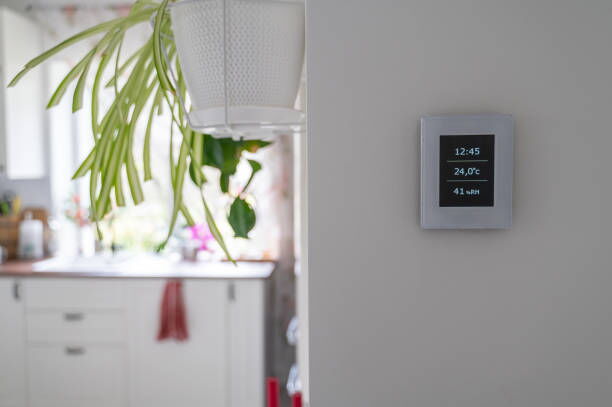
TVOC stands for Total Volatile Organic Compounds, representing the combined concentration of multiple VOCs found in the air. Instead of evaluating each individual compound, a TVOC sensor assesses the overall level of gaseous pollutants present in an indoor space. While this measurement does not distinguish between specific chemicals, the total concentration serves as a reliable indicator of potential pollution and ventilation needs.
A TVOC monitor can measure VOC levels in several units, including:
Milligrams per cubic meter (mg/m³)
Micrograms per cubic meter (μg/m³)
Parts per million (ppm)
Parts per billion (ppb)
Many consumer sensors display readings in mg/m³ or ppb, but commercial-grade monitors may provide multiple measurement formats.
Although TVOC does not identify individual VOC sources, it is extremely useful for practical air quality assessments. Since VOCs can originate from countless products and materials, measuring the total concentration helps determine whether ventilation or purification is needed—even when the exact source is unknown.
Because VOCs vary in toxicity, scientists have established general thresholds for total VOC concentrations to help determine whether indoor air is safe.
TVOC Levels Guide:
0.3 – 0.5 mg/m³
Considered safe and acceptable.
Most indoor spaces fall within this range when they are well-ventilated and free of heavy sources of chemical emissions.
0.5 – 1 mg/m³
Potentially concerning.
Elevated concentrations may indicate poor ventilation or active VOC emissions from materials, products, or ongoing activities such as cleaning or painting.
1 – 3 mg/m³
High and potentially dangerous.
Levels in this range may cause short-term symptoms such as headaches, dizziness, throat irritation, or nausea. Prolonged exposure could lead to more severe health issues.
Maintaining TVOC concentrations below 0.3 mg/m³ is recommended for long-term indoor health. Experts generally advise keeping indoor VOC levels under 300 μg/m³, especially in settings where children, elderly individuals, or sensitive groups spend significant time.
Monitoring TVOC has become one of the most practical ways to assess indoor air pollution. The reason is simple: while VOCs are numerous and constantly changing, a single TVOC measurement offers a big-picture view of air quality.
Key reasons TVOC is essential:
Testing for each chemical would require expensive equipment and laboratory analysis. For everyday indoor air management, a total VOC reading offers a fast, reliable indicator.
Many VOCs have no smell, color, or immediate symptoms, meaning high levels can go unnoticed. TVOC monitoring creates visibility where the human senses cannot.
Data from a TVOC monitor helps users:
identify pollution sources
determine whether ventilation is adequate
adjust air purifier settings
reduce emissions by choosing safer products
Poor indoor air quality can cause fatigue, difficulty concentrating, respiratory irritation, and headaches—factors especially relevant in schools, offices, and workplaces.
A reliable TVOC monitor offers continuous insight into indoor air conditions, enabling timely corrective actions to protect health and productivity.
Modern environments are filled with materials and products that emit VOCs. Indoor concentrations are typically two to five times higher than outdoor levels, and in some cases—such as newly renovated spaces—levels can be much higher.
Understanding the main sources can help reduce exposure and improve overall air quality.
Building materials are among the largest contributors to indoor VOC levels. In fact, studies show that they can account for up to 90% of total indoor VOC emissions, especially in new or newly renovated buildings.
Common sources include:
Paints and varnishes
Adhesives and sealants
Carpet backing and synthetic flooring
Insulation materials
Plywood, particleboard, and MDF panels
Vinyl wall coverings
Foam cushions and upholstery
These materials release VOCs through:
Primary emissions: gases released directly from the material’s surface
Secondary emissions: chemicals released after interacting with humidity or other environmental factors
Absorption and re-emission: VOCs absorbed during cleaning or renovations and later released over time
This makes building materials long-term contributors to TVOC levels.
Many everyday products emit VOCs during use or storage. These emissions can spike significantly during cleaning, personal grooming, or cooking activities.
Common TVOC sources include:
Air fresheners and deodorizing sprays
Cleaning agents and disinfectants
Laundry detergents and fabric softeners
Perfumes, lotions, and cosmetics
Hairspray and aerosol products
Scented candles and incense
Art supplies such as paints, markers, or glues
Dry-cleaned clothes (especially when treated with perchloroethylene)
Dry-cleaning chemicals are particularly notable: perchloroethylene can remain on clothing for weeks, releasing VOCs into indoor spaces long after garments return home.
Modern offices are full of electronic devices that emit VOCs, especially when they heat up during operation.
Examples include:
Printers
Photocopiers
Desktop computers
CRT monitors
3D printers
Fax machines
Scanners
Power adapters
Studies show that CRT monitors emit more VOCs than modern TFT or LED screens. As these devices warm up, components such as plastic casings, circuit boards, and inks can release chemicals into the air.
For office workers seated near electronics for hours each day, TVOC exposure can be significantly higher.
TVOC air quality monitors use gas sensors to detect and estimate the concentration of VOCs in the air. The most common sensors include:
MOS (Metal Oxide Semiconductor) sensors
PID (Photoionization Detectors)
Electrochemical sensors
Key functions of a TVOC monitor include:
Real-time VOC concentration measurement
Provides continuous data for immediate insights.
Historical data tracking
Allows users to see patterns and identify sources of emissions.
Alerts and notifications
Warns users when TVOC levels reach potentially harmful ranges.
Integration with air purifiers or HVAC systems
Some smart monitors automatically trigger purification or ventilation.
Multi-parameter monitoring
Many devices also measure CO₂, PM2.5, humidity, or temperature to provide a complete air quality profile.
Exposure to elevated TVOC concentrations can cause a wide range of symptoms. Short-term effects may appear even at moderate levels, while long-term exposure increases the risk of more serious health problems.
Headaches or dizziness
Eye, nose, and throat irritation
Fatigue or difficulty concentrating
Nausea
General discomfort
Respiratory illnesses
Liver or kidney damage (from specific VOCs)
Increased sensitivity or allergies
Higher cancer risk from carcinogenic VOCs (e.g., benzene, formaldehyde)
Children, elderly individuals, and people with asthma or weakened immune systems are especially vulnerable to poor indoor air conditions.
Monitoring TVOC is only the first step—taking action is equally important. Here are effective ways to reduce VOC concentrations.
Open windows whenever weather permits
Use ventilation fans while cooking or cleaning
Ensure HVAC systems have clean filters
Look for labels such as:
“Low VOC”
“Zero VOC”
“Green Seal Certified”
“EcoLogo Certified”
Air purifiers equipped with activated carbon filters are especially effective at removing VOCs.
High humidity increases VOC emissions. Keeping humidity between 40–50% helps reduce off-gassing.
Household cleaners, paints, and adhesives should be tightly sealed and stored outside living areas if possible.
A TVOC air quality monitor is an essential tool for assessing the overall level of volatile organic compounds in indoor environments. Although TVOC measurements do not identify individual chemicals, they provide a practical and effective way to track air pollution, especially in spaces where multiple VOC sources exist.
By understanding what TVOC represents, where VOCs come from, and how to respond to elevated levels, individuals can significantly improve indoor air quality and reduce health risks. TVOC monitors offer continuous insight, early warnings, and actionable data—making them indispensable for maintaining clean, safe, and healthy indoor environments.
With modern buildings introducing more synthetic materials, electronics, and chemical products than ever before, monitoring TVOC has evolved from an optional precaution into a vital component of responsible indoor air management.
Previous: Laser PM2.5 Air Quality Sensors: Advancing Air Quality and Health Protection
Next: Low-Cost PM Sensors: Real-Time Indoor Air Quality Insights