

Air quality has become one of the most critical environmental and public health concerns of the 21st century. Rapid industrialization, urban expansion, increased vehicle emissions, and climate change have significantly deteriorated air quality in many regions worldwide. Poor air quality is directly linked to respiratory diseases, cardiovascular problems, reduced productivity, and long-term environmental damage. As awareness grows, so does the demand for reliable technologies that can monitor, analyze, and improve the air we breathe.
Air Quality Detection Sensors play a vital role in addressing this challenge. These sensors provide real-time data on airborne pollutants, enabling governments, industries, and individuals to assess air quality levels accurately and take timely action. From smart cities and industrial facilities to homes and wearable devices, air quality sensors are now an essential component of modern environmental monitoring systems.
This article explores the fundamentals of air quality detection sensors, their working principles, key types, applications, benefits, challenges, and future development trends.
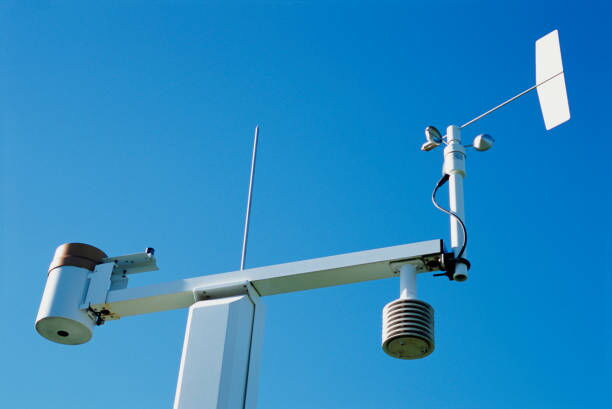
An Air Quality Detection Sensor is a device designed to measure the concentration of pollutants and environmental parameters in the air. These sensors detect harmful gases, particulate matter, and other air quality indicators and convert them into measurable electrical signals. The collected data can then be displayed, analyzed, or transmitted to monitoring platforms for further processing.
Air quality sensors can operate independently as standalone devices or as part of integrated systems, such as Internet of Things (IoT) networks, smart buildings, or environmental monitoring stations. Depending on their design and purpose, they may provide basic air quality indices or highly detailed pollutant analysis.
Air quality detection sensors are designed to monitor a wide range of pollutants and environmental parameters, including:
- PM2.5: Fine particles with a diameter of 2.5 micrometers or less
- PM10: Coarse particles with a diameter of 10 micrometers or less
These particles can penetrate deep into the lungs and bloodstream, causing severe health issues.
CO₂ levels indicate ventilation efficiency and indoor air quality. High concentrations can cause fatigue, headaches, and reduced cognitive performance.
A colorless, odorless gas produced by incomplete combustion. CO is extremely dangerous and can be fatal at high concentrations.
VOCs are emitted from paints, cleaning products, furniture, and industrial processes. Long-term exposure may cause respiratory irritation and other health problems.
Primarily generated by vehicle exhaust and industrial emissions, NO₂ contributes to smog formation and respiratory diseases.
Ground-level ozone is a harmful air pollutant formed by chemical reactions between sunlight and emissions from vehicles and factories.
Temperature
Humidity
Atmospheric pressure
These factors influence pollutant behavior and sensor accuracy.
Air quality sensors operate based on different physical and chemical principles, depending on the type of pollutant being measured.
Electrochemical Sensors: Electrochemical sensors detect gases through chemical reactions that generate electrical currents proportional to gas concentration. They are highly accurate and commonly used for CO, NO₂, and O₃ detection.
Metal Oxide Semiconductor sensors change electrical resistance when exposed to target gases. They are cost-effective and widely used for VOC and general air quality detection.
Infrared (NDIR) Sensors: Non-Dispersive Infrared sensors measure gas concentration by detecting infrared light absorption, commonly used for CO₂ measurement.
PM sensors typically use laser scattering technology. A laser beam illuminates airborne particles, and the scattered light is detected by a photodiode. The intensity of the scattered light correlates with particle size and concentration.
Temperature and humidity sensors use resistive or capacitive elements that change electrical properties based on environmental conditions. These measurements help calibrate gas and PM sensor readings.
Air quality sensors can be classified based on application, installation, and performance level.
Indoor sensors are designed for homes, offices, schools, and commercial buildings. They focus on pollutants such as CO₂, VOCs, PM2.5, temperature, and humidity to improve indoor comfort and health.
Outdoor sensors monitor environmental pollution in cities, industrial zones, and traffic areas. They are built with weather-resistant enclosures and provide long-term monitoring data.
Portable air quality sensors allow individuals to monitor air quality in real time during daily activities. Wearable sensors are increasingly used for personal exposure assessment.
Industrial sensors are designed for harsh environments and high pollutant concentrations. They play a critical role in occupational safety, process control, and regulatory compliance.
Air quality sensors form the backbone of smart city environmental monitoring systems. By deploying sensor networks across urban areas, authorities can identify pollution hotspots, manage traffic flow, and implement targeted emission control strategies.
Factories and power plants use air quality sensors to monitor emissions, protect workers, and comply with environmental regulations. Continuous monitoring helps detect leaks, equipment malfunctions, and unsafe conditions.
Air quality sensors are integrated into HVAC systems to optimize ventilation based on real-time air quality data. This improves energy efficiency while maintaining healthy indoor environments.
Hospitals, laboratories, and public buildings rely on air quality sensors to ensure safe air conditions. Early detection of harmful gases helps prevent accidents and health risks.
Smart air purifiers, thermostats, and home automation systems increasingly include air quality sensors, enabling users to monitor and control indoor air conditions via mobile applications.
Air quality detection sensors offer significant benefits across residential, commercial, and industrial environments by providing accurate and continuous monitoring of air conditions. One of the most important advantages is health protection. By detecting harmful pollutants such as particulate matter, carbon monoxide, volatile organic compounds, and other toxic gases at an early stage, these sensors help reduce exposure risks and prevent respiratory and cardiovascular health issues.
Another key benefit is real-time monitoring. Continuous data collection allows users to respond immediately to changes in air quality, whether by activating ventilation systems, issuing alerts, or adjusting operational processes. This proactive approach improves safety and indoor comfort.
Air quality sensors also contribute to energy efficiency. When integrated with smart HVAC and ventilation systems, they enable demand-controlled ventilation, ensuring fresh air is supplied only when needed. This reduces unnecessary energy consumption and lowers operating costs.
In addition, air quality detection sensors support regulatory compliance by helping organizations meet environmental and workplace safety standards. Finally, the reliable data generated by these sensors enables data-driven decision-making, supporting urban planning, environmental policies, and long-term sustainability strategies based on accurate and actionable insights.
Despite their advantages, air quality sensors face several challenges:
- Accuracy and Calibration: Low-cost sensors may drift over time and require regular calibration to maintain accuracy.
- Environmental Interference: Temperature, humidity, and cross-sensitivity to other gases can affect sensor performance.
- Data Management: Large sensor networks generate massive amounts of data, requiring robust data processing and cybersecurity measures.
- Cost and Maintenance: High-precision sensors and monitoring systems can be expensive, particularly for large-scale deployments.
The integration of air quality sensors with IoT platforms has revolutionized environmental monitoring. Sensors can now transmit data wirelessly to cloud platforms for real-time visualization, analytics, and alerts.
Key advantages of IoT integration include:
- Remote monitoring and control
- Predictive maintenance
- Automated alerts and responses
- Big data analytics and AI-driven insights
This connectivity enhances the overall value and effectiveness of air quality detection systems.
Air quality monitoring is governed by various international and national standards, such as:
- World Health Organization (WHO) air quality guidelines
- Environmental Protection Agency (EPA) regulations
- European Union Air Quality Directives
Compliance with these standards ensures sensor reliability and data credibility.
Sensors are becoming smaller, lighter, and more energy-efficient, enabling widespread personal monitoring.
AI algorithms improve data accuracy, predict pollution trends, and support proactive environmental management.
Future sensors will integrate multiple detection capabilities into a single device, reducing cost and complexity.
Energy-efficient sensors with solar power and long battery life will support remote and large-scale deployments.
As awareness of air quality impacts grows, demand for consumer-grade sensors and smart air management solutions will continue to rise.
Air Quality Detection Sensors are indispensable tools in the global effort to monitor, manage, and improve air quality. By providing accurate, real-time data on pollutants and environmental conditions, these sensors help protect public health, support sustainable development, and drive informed decision-making across industries and communities.
As technology advances, air quality sensors will become more intelligent, accessible, and interconnected. Their integration with smart systems, IoT platforms, and AI-driven analytics will further enhance their role in building healthier living environments and cleaner, more sustainable cities. Investing in reliable air quality detection technology is not only a technological choice but a critical step toward safeguarding the future of both people and the planet.
Previous: How Smart Home Sensors Power Safer, Smarter Living Spaces
Next: PM2.5 Particle Sensors: A Critical Technology for Modern Air Quality Monitoring