

As businesses around the world reopen, expand, and rethink workplace environments post-pandemic, commercial indoor air quality (IAQ) monitoring is rapidly moving from “nice-to-have” to an essential investment in health, compliance, and operational resilience. With mounting evidence that indoor air contaminants influence human wellbeing, productivity, and even economic outcomes, companies from offices and schools to hospitals and manufacturing facilities are adopting sophisticated IAQ monitoring systems at scale.
Experts now say that understanding and controlling what's in the air employees, visitors, and customers breathe not only protects health but also impacts organizational performance, risk management, and long-term sustainability goals. This news analysis explores the drivers behind IAQ monitoring adoption, the technologies involved, regulatory pressures, case studies of commercial implementations, challenges, and what the future landscape may look like for businesses worldwide.
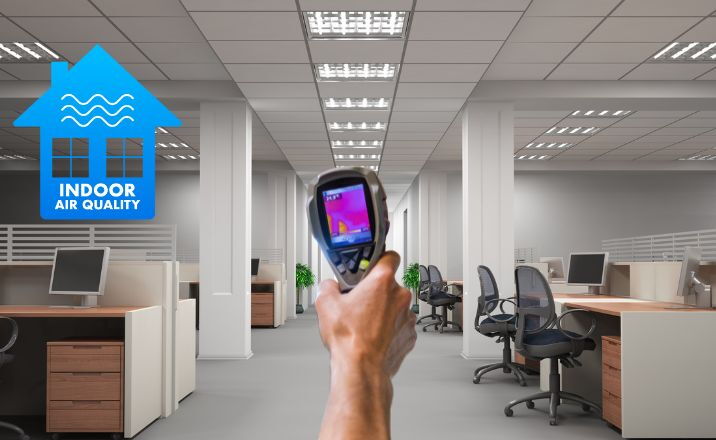
Indoor air quality describes the condition of the air inside buildings, including the concentration of pollutants such as volatile organic compounds (VOCs), particulate matter (PM2.5 and PM10), carbon dioxide (CO₂), carbon monoxide (CO), ozone (O₃), and humidity levels. Poor IAQ has been linked to health effects such as headaches, fatigue, respiratory irritation, allergies, asthma exacerbation, and long-term morbidity.
A growing body of research indicates that poor IAQ can significantly reduce workplace productivity. Elevated CO₂ levels, for example, have been associated with decreased cognitive function, trouble concentrating, and decision-making impairment among office workers. Likewise, high VOC concentrations can trigger headaches and irritation that reduce focus and increase absenteeism.
Organizations are increasingly recognizing that indoor environmental quality directly influences employee comfort, satisfaction, and performance. In industries where cognitive function and physical performance are key to success, such as tech, finance, education, and healthcare, businesses are making IAQ monitoring a strategic priority — not just a facilities concern.
The COVID-19 pandemic brought unprecedented scrutiny to indoor air environments, particularly regarding aerosolized transmission of respiratory pathogens. While ventilation upgrades and filtration improvements helped reduce transmission risk, the pandemic also highlighted the value of real-time air quality measurement.
Commercial IAQ monitoring systems now commonly include sensors that track parameters related to disease transmission risk, such as ventilation effectiveness, occupancy levels, and particulate matter that may carry pathogens. By enabling facilities teams to observe and respond to changes in air quality, these systems help create safer indoor conditions.
For businesses in retail, hospitality, and public-facing sectors, visible commitments to clean air can influence consumer trust and confidence. Today's customers are more health conscious and socially aware, and many expect businesses to take clear steps to protect their wellbeing. IAQ monitoring data can be displayed publicly or shared with stakeholders as evidence of a safe indoor environment — a competitive differentiator in crowded markets.
Commercial IAQ monitoring solutions today range from basic CO₂ and humidity sensors to integrated systems capable of tracking a wide array of air quality metrics in real time. Although specific implementations vary, the following technologies underpin most modern commercial IAQ monitoring platforms:
These measure concentrations of gases such as CO₂, CO, O₃, nitrogen dioxide (NO₂), and VOCs. CO₂ is often used as a proxy for ventilation effectiveness, while VOC sensors detect compounds emitted by paints, cleaning products, furniture, and building materials.
PM2.5 and PM10 sensors detect fine and coarse airborne particles that can penetrate deep into the lungs. These particles can originate from combustion sources, outdoor air infiltration, or indoor activities such as cooking or cleaning.
Relative humidity and temperature influence comfort and can also affect contaminant behavior and pathogen survival. Maintaining optimal humidity levels (typically between 40%–60%) can reduce the viability of certain viruses and improve occupant comfort.
Modern IAQ solutions often integrate multiple sensors into a unified dashboard accessible via cloud platforms. This integration enables data analytics, alerts, trend visualization, and automated controls such as ventilation adjustments.
Wireless sensor networks facilitate scalable installation across large commercial spaces without extensive wiring. Smart building systems can connect IAQ data to HVAC controls, lighting, occupancy sensors, and building management systems (BMS) to optimize indoor conditions automatically.
Governments and industry bodies are updating standards and guidance to address indoor air quality more robustly. While mandatory regulations vary by region, several developments are driving compliance pressures and best practice frameworks:
- ASHRAE Standards: The American Society of Heating, Refrigerating and Air-Conditioning Engineers (ASHRAE) has long provided guidelines for ventilation and indoor air quality in commercial buildings (e.g., ASHRAE Standard 62.1). Many organizations adopt these recommendations as benchmarks for acceptable air quality.
- EPA and WHO Guidance: Environmental Protection Agency (EPA) resources and World Health Organization (WHO) recommendations underscore the importance of IAQ for health and building performance, encouraging monitoring and control strategies.
- Occupational Safety and Health Administration (OSHA): OSHA enforces workplace safety standards that can include indoor air contaminants. As awareness increases, businesses are anticipating stricter air quality requirements.
- Green Building Certifications: Programs such as LEED (Leadership in Energy and Environmental Design) and WELL Building Standard incentivize or mandate IAQ monitoring and management as part of certification criteria.
In some regions, local laws now require specific IAQ assessments in public buildings, schools, or healthcare facilities — signaling a general trend toward stronger oversight. For multinational businesses, navigating these diverse regulatory landscapes is a critical planning task.
Across sectors, commercial entities are deploying IAQ monitoring systems for overlapping but distinct reasons — from compliance and safety to employee wellbeing and energy efficiency.
As hybrid work models create flexible occupancy patterns, corporate facilities teams are turning to IAQ data to optimize ventilation schedules and HVAC operation. Real-time monitoring enables dynamic responses to occupancy and ensures that indoor air is clean and comfortable when employees are on site.
Moreover, companies that prioritize employee health and ESG (Environmental, Social & Governance) principles view IAQ monitoring as part of a broader investment in workplace experience and sustainability.
Schools and universities are among the most active adopters of IAQ monitoring technology. With classrooms often densely populated and ventilation systems variable in performance, administrators use IAQ data to justify improvements, control CO₂ levels, and reduce risks of respiratory infection spread among students and staff.
Several educational districts have implemented centralized dashboards that aggregate IAQ data from classrooms, enabling real-time visibility and targeted interventions where needed.
Hospitals and clinics face unique air quality challenges due to infection control requirements and the vulnerability of patient populations. While clinical spaces already incorporate specialized filtration and ventilation for airborne pathogen control, IAQ monitoring adds another layer of insight.
These systems help facilities teams verify ventilation effectiveness, manage isolated zones, and ensure compliance with clinical air quality protocols.
Retailers, restaurants, and hotels are increasingly integrating IAQ monitoring into guest safety programs. Visibility into air quality allows these businesses to adjust ventilation, inform cleaning protocols, and reassure customers through transparent reporting.
For brand-centric hospitality groups, IAQ dashboards have become a communication tool — signaling that health and comfort are priorities in every room, lobby, and dining area.
In manufacturing and industrial facilities, indoor air quality monitoring is tied not only to comfort but also to regulatory compliance and worker safety. Many industrial processes release dust, fumes, or chemical emissions that can exceed safe thresholds if not properly controlled.
IAQ monitoring systems help detect harmful exposures, trigger ventilation responses, and protect workers in zones with airborne contaminants. Some facilities integrate these systems with industrial hygiene protocols to manage risk proactively.
A multinational corporation operating in dozens of countries installed IAQ monitors across its office campus to measure CO₂, VOCs, PM2.5, temperature, and humidity. By analyzing the data, facilities managers discovered specific zones that consistently exceeded CO₂ thresholds during peak hours. Automated ventilation adjustments — increasing fresh air intake when CO₂ reached certain levels — reduced occupant complaints about “stuffy” air and improved overall comfort.
Moreover, the company reported measurable improvements in employee satisfaction scores tied to environmental comfort in internal surveys.
In a mid-sized university district, administrators launched an IAQ monitoring program for all classrooms and lecture halls. The system's dashboard highlighted poorly ventilated spaces that needed upgrades. With the evidence in hand, the district secured funding for targeted HVAC improvements, including higher-efficiency air filters and increased ventilation rates in older buildings.
The program also provided parents and staff with confidence that indoor air risks were actively managed.
A hotel group added IAQ monitors in guestrooms and public areas, linking the data to both the building management system and guest experience apps. Guests could view real-time air quality indicators — such as CO₂ and particulate levels — on in-room tablets.
This transparency became a selling point, particularly for health-conscious travelers. The hotel chain reported increased bookings from loyalty program members citing "clean air assurance" as a deciding factor.
While the benefits of IAQ monitoring are clear, commercial deployment has its challenges. Organizations should be aware of several key considerations:
Not all IAQ sensors are created equal. Low-cost devices may suffer from drift or inaccuracies without regular calibration. Facilities teams must select reliable sensors and establish maintenance routines to preserve data quality.
Large commercial buildings often operate with complex HVAC and BMS infrastructure. Successfully integrating IAQ data into these systems can require careful planning, software interoperability, and sometimes custom engineering.
Collecting air quality data is only useful if organizations interpret it correctly and take appropriate action. This often requires staff training, clear thresholds for response, and decision frameworks for escalating issues.
Some IAQ monitoring implementations include occupancy sensors or are combined with occupant tracking systems. Careful communication and privacy policies are important to ensure occupants understand what data is collected and how it's used.
While sensor costs have declined, enterprise-grade IAQ systems still represent a financial investment. Decision-makers must weigh upfront costs against long-term benefits in health outcomes, energy savings, and operational efficiencies.
Many organizations address this by piloting IAQ systems in select zones before broader rollout, allowing them to evaluate ROI and operational impacts.
The future of commercial IAQ monitoring is marked by increasing sophistication, integration with smart building technologies, and a growing role in corporate resilience strategies.
Artificial intelligence (AI) and machine learning models are being layered onto IAQ data streams to detect patterns, forecast air quality trends, and recommend proactive adjustments. Predictive analytics can anticipate deterioration in air quality before occupants feel symptoms and optimize HVAC control for both comfort and energy efficiency.
Industry standards and voluntary certifications that include IAQ performance will likely expand. Programs like WELL and LEED that quantify indoor environmental quality are expected to include more rigorous IAQ criteria, encouraging broader adoption of monitoring systems.
Advanced IAQ systems may incorporate personalized health risk profiles, particularly in settings like healthcare or eldercare facilities, where vulnerable populations require tailored protection. Integrated alerts — delivered via mobile apps or facility dashboards — will guide occupants and managers on when conditions warrant action.
As sustainability and corporate responsibility reporting grows in importance, businesses may incorporate IAQ metrics into public disclosures. Transparency in indoor environmental performance will become a component of broader ESG narratives.
Rather than monitoring air quality at a building level, future systems are moving toward micro-zone monitoring — tracking air conditions in specific rooms, workstations, or zones. Coupled with localized control systems, this allows more precise ventilation responses and energy savings.
Commercial indoor air quality monitoring has evolved from a specialized facility tool into a strategic investment with measurable impacts on health, performance, and competitiveness. As organizations redefine what it means to provide a safe, comfortable, and productive indoor environment, IAQ monitoring technologies are becoming integral to how buildings are managed and experienced.
Whether driven by regulatory expectations, employee demands, sustainability goals, or risk management priorities, the adoption of IAQ monitoring across commercial sectors is set to accelerate. Businesses that embrace these technologies now position themselves not just to meet current challenges, but to lead in a future where indoor environmental quality is inseparable from organizational wellbeing.
Previous: How IoT Sensors Are Transforming Monitoring, Automation, and Control
Next: Formaldehyde (CH₂O) Gas Sensors: Advancing Indoor Air Quality Monitoring



