

The Internet of Things (IoT) has transformed how industries monitor operations, how cities manage infrastructure, and how individuals interact with technology in everyday life. At the center of this transformation lies one critical component: the IoT sensor. These small yet powerful devices continuously observe the physical world, convert real-world conditions into digital data, and transmit that information across networks to enable automated actions, analytics, and informed decision-making.
From smart factories and intelligent transportation systems to healthcare wearables and environmental monitoring, IoT sensors provide the real-time awareness that makes connected systems possible. As global demand for automation, efficiency, and predictive intelligence grows, IoT sensors are becoming a foundational technology for modern digital infrastructure.
This article explores what IoT sensors are, how they work, their core components, major sensor types, and the growing role they play across industries.
IoT sensors are hardware devices designed to detect changes in physical or environmental conditions and convert those changes into digital signals that can be transmitted, processed, and analyzed. They serve as the interface between the physical environment and digital systems, enabling machines, software platforms, and connected devices to “see,” “feel,” and respond to the real world.
An IoT sensor can measure a wide range of variables, including:
- Temperature
- Humidity
- Pressure
- Motion
- Light intensity
- Sound
- Proximity
- Chemical composition
- Gas concentration
- Vibration and acceleration
Once data is collected, the sensor transmits it through wired or wireless networks to gateways, cloud platforms, or edge computing systems. This continuous data flow enables automation, condition monitoring, and real-time decision-making across countless applications.
More than simple measurement tools, IoT sensors are intelligent data sources. They enable:
- Predictive maintenance by identifying abnormal conditions before failures occur
- Process optimization through real-time monitoring and feedback
- Energy efficiency by dynamically adjusting operations based on environmental data
- Safety and compliance by detecting hazards, leaks, or system anomalies
- Data-driven insights that guide long-term strategic decisions
Without sensors, IoT systems would have no awareness of the physical world. With them, digital platforms can respond instantly to real-world events.
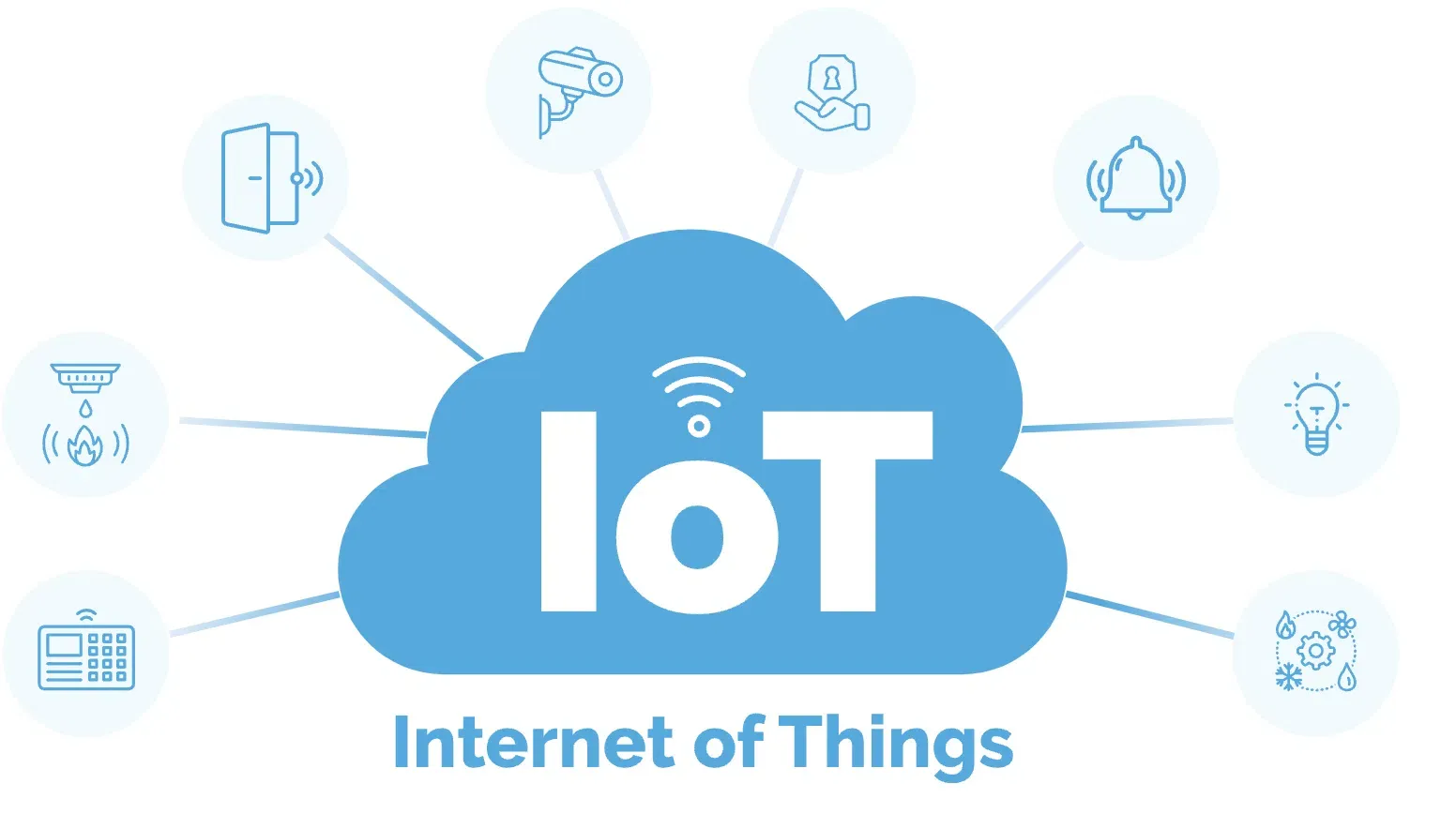
Although applications vary widely, the basic operation of an IoT sensor follows a consistent process: sense, convert, transmit, analyze, and act.
At the core of every IoT sensor is a sensing element that detects changes in a specific physical parameter. For example:
- A temperature sensor responds to heat variations
- A pressure sensor reacts to changes in force per unit area
- A motion sensor detects movement or acceleration
- A gas sensor identifies the presence of specific chemical compounds
These elements respond to environmental changes by altering an electrical property such as resistance, voltage, or capacitance.
The raw physical response from the sensing element is typically analog. To make the data usable for digital systems, the sensor converts it into an electrical signal that can be processed by internal electronics.
A built-in microcontroller or processor cleans and filters the data, removing noise, performing basic calculations, and preparing it for transmission. This step ensures that only relevant and accurate data is sent, reducing network traffic and power consumption.
The processed data is transmitted to a local gateway, server, or cloud platform using wired connections or wireless communication technologies such as:
- Wi-Fi
- Bluetooth
- Zigbee
- LoRaWAN
- Cellular (4G/5G/NB-IoT)
This connectivity allows remote systems to receive, store, and analyze the information.
Once the data reaches a central system, software platforms analyze it using algorithms, dashboards, or artificial intelligence. Based on predefined rules or advanced analytics, the system can trigger alerts, automate actions, or optimize operations.
For example:
- A temperature sensor in a data center may activate cooling systems if heat levels rise.
- A vibration sensor on industrial equipment may signal maintenance before a breakdown occurs.
- An air quality sensor may notify building management to improve ventilation.
Behind the compact design of IoT sensors lies a sophisticated architecture. Each device integrates multiple components that work together to deliver accurate, reliable, and actionable data.
The sensor element is the primary detection component. It directly interacts with the environment and responds to changes in physical or chemical conditions. Its sensitivity, accuracy, and response time determine the overall performance of the device.
Different sensor elements are engineered for specific applications, such as thermistors for temperature, piezoelectric elements for vibration, or electrochemical cells for gas detection.
Often described as the “brain” of the device, the microcontroller processes raw sensor signals, performs filtering, and manages communications. It can also execute basic algorithms, manage power consumption, and control data sampling rates.
In advanced systems, microcontrollers enable edge computing, allowing data to be analyzed locally before being transmitted. This reduces latency and network load while improving responsiveness.
The connectivity component enables communication between the sensor and external networks. Depending on the application, it may support short-range protocols (such as Bluetooth or Zigbee) or long-range low-power networks (such as LoRaWAN or NB-IoT).
The choice of connectivity affects:
- Data transmission speed
- Power consumption
- Coverage range
- Network scalability
Many IoT sensors include onboard memory for temporary or permanent data storage. This allows devices to buffer data during network outages or store historical measurements for later analysis. Combined with processing capabilities, this component helps reduce communication delays and improve system reliability.
IoT sensors are designed for low power consumption. They may be powered by:
- Batteries
- Wired power supplies
- Energy harvesting (solar, vibration, or thermal sources)
Power efficiency is a key design consideration, especially for sensors deployed in remote or hard-to-reach locations.
IoT sensors are categorized based on the type of data they measure. Each category supports specific applications across industries.
Temperature sensors are among the most widely used in IoT. They monitor heat levels in environments, equipment, and processes.
Applications include:
- Smart homes and HVAC systems
- Industrial process control
- Cold-chain logistics
- Data centers and server rooms
- Medical storage and pharmaceuticals
By providing real-time thermal data, these sensors help prevent equipment damage, product spoilage, and safety hazards.
Humidity sensors measure the amount of moisture in the air, playing a crucial role in climate control and environmental monitoring.
Applications include:
- Smart buildings and greenhouses
- Food storage and agriculture
- Museums and archives
- Manufacturing environments
Maintaining optimal humidity levels improves comfort, preserves materials, and ensures consistent production quality.
Pressure sensors detect changes in force applied over an area. They are essential in industrial and mechanical systems.
Applications include:
- Pipeline monitoring
- Hydraulic and pneumatic systems
- Automotive systems
- Medical devices such as ventilators
Pressure anomalies can indicate leaks, blockages, or mechanical failures, making these sensors vital for safety and maintenance.
Motion and proximity sensors detect movement or the presence of objects without physical contact.
Applications include:
- Security and surveillance systems
- Smart lighting and occupancy detection
- Robotics and automation
- Retail analytics and customer flow tracking
By identifying movement patterns, these sensors enable automation, energy savings, and improved safety.
These sensors measure acceleration, tilt, and vibration. They are critical for condition monitoring and structural health analysis.
Applications include:
- Predictive maintenance in manufacturing
- Monitoring bridges, buildings, and infrastructure
- Vehicle tracking and fleet management
- Consumer electronics and wearables
Changes in vibration patterns often indicate wear, imbalance, or impending mechanical failure.
Light sensors detect illumination levels and changes in brightness.
Applications include:
- Smart street lighting
- Greenhouse automation
- Display brightness control
- Security systems
By adjusting lighting based on real-time conditions, these sensors improve energy efficiency and user comfort.
Gas sensors identify the presence and concentration of specific gases or chemicals in the environment.
Applications include:
- Industrial safety monitoring
- Air quality management
- Environmental protection
- Smart cities and pollution control
They are essential for detecting hazardous conditions, ensuring regulatory compliance, and protecting public health.
Acoustic sensors detect sound levels, frequencies, and patterns.
Applications include:
- Urban noise monitoring
- Machine fault detection
- Security and surveillance
- Wildlife monitoring
These sensors provide insights into environmental conditions and mechanical performance that are not visible to the human eye.
In industrial environments, IoT sensors enable real-time monitoring of machinery, processes, and production quality. Vibration, temperature, and pressure sensors detect early signs of equipment degradation, supporting predictive maintenance strategies that reduce downtime and extend asset life.
Factories equipped with sensor networks can automatically adjust production parameters, optimize energy usage, and maintain consistent product quality.
Urban infrastructure increasingly relies on IoT sensors to improve efficiency, sustainability, and safety. Applications include:
- Traffic flow monitoring
- Smart street lighting
- Waste management optimization
- Environmental and air quality monitoring
- Public safety systems
By collecting real-time data from across the city, municipal authorities can make informed decisions that enhance quality of life for residents.
IoT sensors in healthcare devices monitor vital signs such as heart rate, body temperature, oxygen levels, and physical activity. These sensors enable:
- Remote patient monitoring
- Early detection of health anomalies
- Personalized treatment plans
- Improved outcomes for chronic disease management
Wearable devices and connected medical equipment are transforming healthcare from reactive treatment to proactive prevention.
In agriculture, IoT sensors provide insights into soil moisture, temperature, humidity, and nutrient levels. This data supports:
- Precision irrigation
- Crop health monitoring
- Weather-based planning
- Reduced resource waste
Environmental agencies also use sensors to monitor air quality, water pollution, and ecosystem conditions, supporting conservation efforts and regulatory compliance.
Energy providers rely on IoT sensors to monitor power generation, transmission, and consumption. Smart meters, grid sensors, and condition monitoring systems help utilities:
- Balance supply and demand
- Detect faults in real time
- Improve energy efficiency
- Integrate renewable energy sources
These capabilities are essential for building resilient, sustainable energy infrastructure.
IoT sensors track location, temperature, vibration, and humidity during transportation. In logistics and supply chain management, they ensure:
- Cold-chain integrity for pharmaceuticals and food
- Asset tracking and theft prevention
- Route optimization and fuel efficiency
- Real-time shipment visibility
By providing end-to-end transparency, sensors improve reliability and customer satisfaction.
Continuous data streams provide instant awareness of system conditions, enabling faster response to issues and more informed decision-making.
By identifying anomalies before failures occur, IoT sensors reduce unplanned downtime, maintenance costs, and equipment damage.
Automated data collection eliminates manual inspections and supports optimization of processes, energy usage, and resource allocation.
Sensor networks can be expanded easily, allowing organizations to scale their IoT deployments as needs evolve.
Historical and real-time data from sensors enables advanced analytics, machine learning, and long-term strategic planning.
Despite their advantages, IoT sensors present challenges that organizations must address.
Large volumes of sensor data create potential vulnerabilities. Ensuring secure transmission, encryption, and access control is essential to protect sensitive information.
Many sensors operate in remote locations, making battery life and energy efficiency critical. Designers must balance performance with long-term power sustainability.
IoT ecosystems often involve multiple devices, platforms, and communication protocols. Achieving seamless integration across diverse systems remains a technical challenge.
As sensor networks grow, managing, storing, and analyzing massive data volumes requires scalable infrastructure and advanced analytics capabilities.
The next generation of IoT sensors will be smarter, smaller, and more autonomous. Key trends shaping the future include:
Edge computing: More data processing directly on devices to reduce latency and bandwidth usage
AI integration: Sensors with built-in intelligence capable of recognizing patterns and anomalies
Energy harvesting: Sensors powered by environmental energy sources for long-term deployment
5G connectivity: High-speed, low-latency networks enabling real-time, mission-critical applications
Miniaturization: Smaller sensors allowing unobtrusive integration into products, infrastructure, and even the human body
As these innovations mature, IoT sensors will become even more embedded in daily life and industrial operations.
IoT sensors are the foundation of the connected world. By capturing real-time data from the physical environment and transforming it into digital intelligence, they enable automation, optimization, and insight across virtually every industry. From manufacturing and healthcare to smart cities and environmental monitoring, these devices empower organizations to operate more efficiently, safely, and sustainably.
As technology continues to evolve, IoT sensors will not only observe the world but actively shape how systems respond, adapt, and improve. In the age of data-driven decision-making, IoT sensors are no longer optional—they are essential infrastructure for the future of intelligent systems.
Previous: Smart Air Quality Monitors for Commercial Use: Revolutionizing Indoor Environmental Management
Next: Commercial Indoor Air Quality Monitoring Becomes a Core Business Priority