

The automotive industry is undergoing one of the most significant technological transformations in its history — driven largely by the rapid evolution of sensors and intelligent electronics. Automotive sensors are highly specialized devices designed to monitor and measure a wide range of parameters within a vehicle, including temperature, pressure, speed, acceleration, distance, and position. These sensors serve as the “nervous system” of modern vehicles, constantly collecting critical information and transmitting it to the Electronic Control Unit (ECU).
Once the ECU receives this information, it interprets and processes the data in real time to adjust the operation of various systems — from fuel injection and braking to steering and emission control. As a result, vehicles today can automatically optimize performance, enhance safety, and deliver smoother driving experiences.
Thanks to continuous innovations in microelectronics, machine learning, and artificial intelligence, automotive sensors have become smaller, more accurate, and more reliable. These advancements not only improve the functionality of existing systems but also enable the integration of cutting-edge technologies such as Advanced Driver-Assistance Systems (ADAS) and fully autonomous driving. In short, automotive sensors have become the foundation of the next generation of intelligent mobility.
Traditional automotive sensors were primarily designed to measure and relay data. However, the latest generation — known as smart sensors — go beyond mere detection. They are capable of data analysis, self-diagnosis, and even communication with other onboard systems or external networks.
These intelligent sensors integrate microprocessors and software algorithms that allow them to interpret environmental conditions, predict potential issues, and communicate with other devices in the vehicle ecosystem. This evolution represents a major leap forward in automotive engineering, making cars safer, cleaner, and more responsive to both drivers and surroundings.
In addition to monitoring conventional metrics such as tire pressure or engine temperature, smart sensors can now detect road surface conditions, driver fatigue, and nearby obstacles — helping vehicles make split-second decisions. Their role is becoming increasingly vital as the automotive world shifts toward electrification, automation, and connectivity.
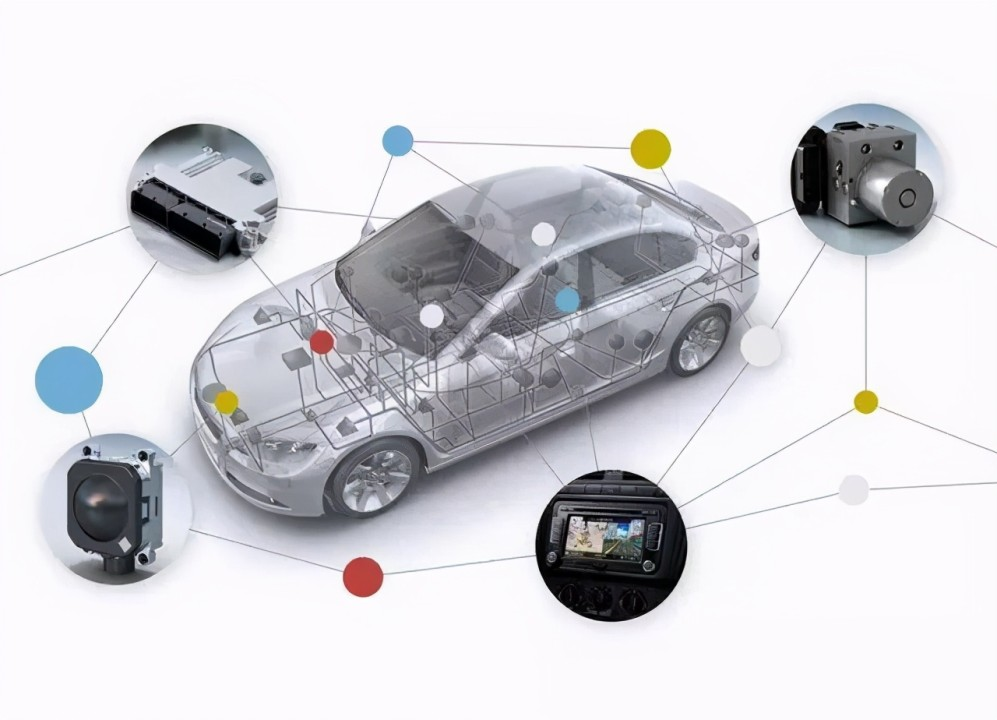
Smart sensors are redefining every aspect of vehicle design and operation. From safety and comfort to energy efficiency and sustainability, these components are integral to modern automotive innovation. Below are some of the major applications and benefits of smart sensors that are transforming how vehicles are built, driven, and maintained.
Definition:
Advanced Driver-Assistance Systems, or ADAS, refer to a suite of electronic technologies that assist drivers in navigation and vehicle control, aiming to increase safety and reduce human error.
Sensor Use:
ADAS relies on a combination of cameras, radar, LiDAR (Light Detection and Ranging), and ultrasonic sensors. Each type of sensor plays a specific role — radar helps detect objects at long distances, LiDAR creates 3D maps of surroundings, cameras identify visual cues like lane markings or pedestrians, and ultrasonic sensors handle close-range detection such as parking assistance.
Benefits:
Enhanced Safety: Smart sensors enable features like automatic emergency braking (AEB), lane departure warnings, and forward-collision alerts. These functions have been proven to significantly reduce road accidents and fatalities.
Driver Convenience: Systems such as adaptive cruise control and parking assistance relieve drivers from repetitive tasks, reducing fatigue and stress.
Efficiency: By optimizing acceleration, braking, and distance control, ADAS contributes to better fuel economy and reduced wear on mechanical components.
ADAS technology represents the first step toward semi-autonomous and fully autonomous driving, showcasing how sensors directly contribute to a safer and smarter driving ecosystem.
Definition:
Autonomous or self-driving vehicles use artificial intelligence, advanced algorithms, and a network of sensors to navigate roads and make driving decisions without human intervention.
Sensor Use:
Autonomous vehicles rely on multiple sensor systems working in unison. Cameras provide real-time imagery, radar detects object distance and speed, LiDAR constructs 3D environmental models, and ultrasonic sensors aid in close-range detection. Together, these devices create a comprehensive understanding of the vehicle’s surroundings, enabling precise movement and decision-making.
Benefits:
Safety: By minimizing human error — the leading cause of road accidents — autonomous vehicles can significantly reduce collision risks.
Accessibility: Self-driving cars provide new mobility options for the elderly, people with disabilities, or individuals without driver’s licenses.
Traffic Efficiency: When autonomous vehicles communicate through vehicle-to-vehicle (V2V) and vehicle-to-infrastructure (V2I) systems, they can synchronize movement to prevent congestion and optimize energy use.
As automotive brands and tech companies continue to refine autonomous driving algorithms, the importance of reliable, high-performance sensors will only increase.
Sensors play a crucial role in monitoring and controlling engine operations to ensure maximum efficiency and compliance with emission standards.
Sensor Use:
Key sensors in this category include oxygen sensors (O2 sensors), mass air flow (MAF) sensors, crankshaft position sensors, and manifold absolute pressure (MAP) sensors. These components monitor air-fuel mixtures, combustion efficiency, and exhaust output, allowing the ECU to make real-time adjustments.
Benefits:
Fuel Efficiency: By ensuring precise fuel injection and ignition timing, sensors help optimize energy use.
Reduced Emissions: Advanced sensor feedback enables vehicles to meet stringent emission regulations.
Improved Engine Longevity: Continuous monitoring prevents issues such as overheating or knocking, extending the lifespan of the engine.
In hybrid and electric vehicles, additional sensors monitor battery voltage, temperature, and current flow to manage energy distribution efficiently.
Definition:
TPMS sensors continuously measure the air pressure inside tires and alert the driver if any tire becomes underinflated or overinflated.
Benefits:
Maintaining proper tire pressure not only improves safety and fuel economy but also extends tire life. In the long run, TPMS systems help prevent blowouts and reduce CO₂ emissions caused by inefficient fuel consumption.
Smart sensors are not limited to safety and performance — they also enhance comfort and convenience inside the vehicle.
Applications include:
Climate Control Sensors: Measure cabin temperature, humidity, and sunlight intensity to automatically adjust air conditioning or heating.
Seat Occupancy Sensors: Detect whether passengers are present to activate airbags or seatbelt reminders.
Gesture and Voice Recognition Sensors: Enable hands-free control of multimedia and navigation systems, improving driving focus.
These advancements redefine the passenger experience by creating personalized and responsive vehicle environments.
ADAS represents one of the most prominent uses of automotive sensors. The integration of multiple sensor technologies enables vehicles to "see" and "think" in real time, ensuring safer and smoother journeys. Below are key features made possible by ADAS sensors:
Uses radar and camera sensors to detect imminent collisions and automatically apply brakes if the driver does not respond in time.
Employs radar sensors to maintain a safe following distance from the vehicle ahead, automatically adjusting speed when traffic conditions change.
Utilizes ultrasonic or radar sensors to monitor side zones and alert drivers to hidden vehicles.
Relies on vision sensors to track road markings and gently steer the vehicle back into its lane if unintentional drift is detected.
Advanced camera systems can identify and display road signs on the dashboard, ensuring drivers remain aware of speed limits and other regulations.
These functions collectively enhance both safety and comfort. With sensor-driven ADAS, drivers gain extra awareness of their surroundings, while the systems provide automatic responses to prevent potential accidents.
The automotive sensor market continues to evolve at an astonishing pace. Several emerging trends are shaping the future of vehicle technology:
Integration of AI and Machine Learning: Future sensors will feature built-in AI processors capable of predicting vehicle behavior, road hazards, and component failures — enabling predictive maintenance and real-time hazard prevention.
Miniaturization and Energy Efficiency: As sensors become smaller and consume less power, manufacturers can incorporate more of them without increasing vehicle weight or energy demand.
Vehicle-to-Everything (V2X) Communication: Smart sensors will enable vehicles to interact not only with each other but also with infrastructure, pedestrians, and traffic systems, supporting the development of smart cities.
Enhanced Environmental Awareness: Advanced LiDAR and imaging radar technologies will improve object recognition in low-visibility conditions, making autonomous systems more robust and reliable.
Sustainability and Recycling: As environmental regulations tighten, automakers are designing eco-friendly sensors made from recyclable materials with lower manufacturing footprints.
Despite their numerous advantages, integrating advanced sensors into vehicles presents several challenges:
Cost: High-end sensors such as LiDAR and imaging radar remain expensive, limiting their adoption in budget vehicles.
Calibration and Maintenance: Ensuring accurate performance requires periodic calibration, especially after repairs or replacements.
Data Security: With increasing connectivity, vehicles must protect sensor data from cyber threats and unauthorized access.
Environmental Durability: Sensors must function reliably in extreme temperatures, vibrations, and weather conditions — especially in heavy-duty or off-road vehicles.
Overcoming these challenges will require collaboration between automakers, electronics suppliers, and regulatory bodies to ensure that sensor-driven technologies remain safe, affordable, and accessible.
From the first mechanical gauges to today’s intelligent, AI-enabled sensor networks, automotive sensors have become indispensable to modern mobility. They enhance safety, efficiency, and comfort while paving the way for autonomous and connected vehicles.
As the automotive landscape continues to evolve, sensors will remain at the heart of innovation — acting as the link between human drivers, intelligent machines, and the broader transportation ecosystem. The future of driving will be defined not just by horsepower or design, but by the invisible precision of the sensors that make every journey smarter, safer, and more sustainable.
Previous: Key Factors to Consider When Choosing an Indoor Air Quality Monitoring Device
Next: How Indoor Environmental Sensors Improve Health, Comfort, and Energy Efficiency



