

As industries worldwide accelerate toward automation, digitalization, and sustainability, temperature and humidity sensors have become essential components of modern monitoring systems. From smart buildings and industrial manufacturing to healthcare, agriculture, and data centers, these sensors play a critical role in ensuring safety, efficiency, product quality, and regulatory compliance. With rising demand for real-time environmental data, advancements in sensor technology are reshaping how organizations monitor and control their operating environments.
Today, temperature and humidity sensors are no longer simple measuring devices. They have evolved into intelligent, network-connected instruments capable of delivering high accuracy, long-term stability, and seamless integration with IoT platforms. This transformation positions them at the heart of smart cities, Industry 4.0, and climate-resilient infrastructure.
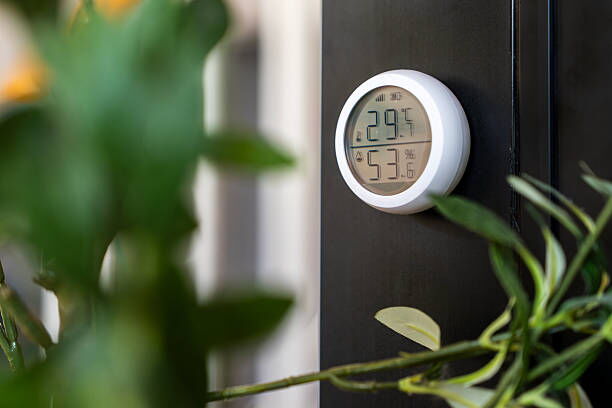
Temperature and humidity sensors are devices designed to measure ambient temperature and relative humidity (RH) in the surrounding environment. Temperature measurement typically relies on technologies such as thermistors, resistance temperature detectors (RTDs), thermocouples, or semiconductor-based sensors. Humidity measurement commonly uses capacitive, resistive, or thermal conductivity sensing elements.
Modern sensors often integrate both measurements into a single compact unit, offering simultaneous temperature and humidity monitoring with digital or analog outputs. These combined sensors reduce installation complexity and provide synchronized data, which is crucial for applications where temperature and humidity interact directly, such as HVAC systems, cold storage, and pharmaceutical manufacturing.
Environmental conditions directly influence equipment performance, product integrity, human comfort, and safety. Even slight deviations in temperature or humidity can lead to serious consequences, including material degradation, production defects, equipment failure, or health risks.
Key reasons for the growing importance of temperature and humidity sensors include:
- Climate variability and extreme weather, increasing the need for precise environmental monitoring
- Rising quality standards in manufacturing and logistics
- Regulatory requirements in healthcare, food, and pharmaceutical industries
- Energy efficiency goals in commercial and residential buildings
- Digital transformation driven by IoT and smart monitoring platforms
As organizations seek greater operational visibility, reliable environmental sensing has become a strategic necessity rather than an optional feature.
The global market for temperature and humidity sensors is experiencing steady and sustained growth. Increased adoption of smart devices, industrial automation, and connected infrastructure is driving demand across nearly every sector.
Manufacturing facilities rely on these sensors to maintain stable production conditions, while data centers use them to protect sensitive IT equipment from overheating or moisture-related damage. Meanwhile, agriculture and food storage applications depend on accurate humidity control to reduce spoilage and improve yields.
Industry analysts note that compact size, lower power consumption, improved accuracy, and falling costs are making advanced sensors accessible to a wider range of users. As sensor technologies mature, their deployment is expanding beyond traditional industrial environments into homes, offices, and consumer electronics.
In industrial environments, temperature and humidity sensors are vital for process control, equipment protection, and quality assurance. Many manufacturing processes require strict environmental conditions to ensure consistent output and prevent defects.
Applications include:
- Monitoring production lines for electronics, semiconductors, and precision components
- Preventing condensation in compressed air systems
- Protecting machinery from overheating
- Supporting predictive maintenance strategies
Integrated with PLCs and SCADA systems, these sensors enable real-time monitoring and automated responses, improving productivity and reducing downtime.
In commercial and residential buildings, temperature and humidity sensors form the backbone of HVAC control systems. Accurate environmental data allows building management systems to optimize heating, cooling, and ventilation for comfort and energy efficiency.
Benefits include:
- Improved indoor air quality (IAQ)
- Reduced energy consumption and operating costs
- Enhanced occupant comfort
- Compliance with green building standards
With growing emphasis on smart buildings, sensor-driven HVAC optimization is becoming a standard feature rather than a premium option.
Data centers require precise temperature and humidity control to protect servers, storage devices, and networking equipment. Excess heat can cause system failures, while improper humidity levels increase the risk of electrostatic discharge or corrosion.
Temperature and humidity sensors in data centers support:
- Hot aisle and cold aisle management
- Early detection of cooling system failures
- Energy-efficient cooling strategies
- Compliance with industry guidelines
As cloud computing and AI workloads expand, reliable environmental monitoring is essential to maintain uptime and reduce operational risk.
In healthcare environments, maintaining controlled temperature and humidity is critical for patient safety and product integrity. Hospitals, laboratories, and pharmaceutical facilities rely on sensors to ensure compliance with strict regulations.
Common applications include:
- Vaccine and medicine storage
- Cleanrooms and laboratories
- Medical equipment monitoring
- Hospital HVAC systems
Accurate sensors help prevent costly product losses and ensure that medical treatments remain safe and effective.
The food and beverage industry depends heavily on temperature and humidity monitoring to maintain freshness, safety, and shelf life. From cold storage warehouses to refrigerated transport, sensors provide continuous data throughout the supply chain.
Key benefits include:
- Reduced spoilage and waste
- Compliance with food safety standards
- Improved traceability
- Enhanced consumer confidence
Wireless and IoT-enabled sensors are increasingly used to monitor conditions in real time during transportation, alerting operators to potential issues before products are compromised.
In agriculture, temperature and humidity sensors support precision farming and climate-smart practices. They help farmers optimize growing conditions in greenhouses, monitor soil and air conditions, and protect crops from adverse weather.
Applications include:
- Greenhouse climate control
- Livestock environment monitoring
- Crop storage facilities
- Weather stations and environmental research
By providing actionable data, sensors contribute to higher yields, reduced resource consumption, and more sustainable agricultural practices.
Modern temperature and humidity sensors increasingly feature digital outputs and embedded microcontrollers. These smart sensors offer better noise immunity, easier integration, and advanced calibration capabilities.
Digital communication protocols such as I²C, SPI, Modbus, and Ethernet allow seamless connectivity with controllers, gateways, and cloud platforms.
IoT integration has transformed environmental monitoring. Wireless temperature and humidity sensors using Wi-Fi, LoRaWAN, Zigbee, NB-IoT, or Bluetooth enable remote monitoring across large or hard-to-access areas.
Benefits include:
- Real-time data access
- Cloud-based analytics
- Automated alerts and reporting
- Reduced installation costs
This connectivity is particularly valuable for smart cities, logistics, and distributed facilities.
Advances in semiconductor manufacturing have led to smaller, more energy-efficient sensors. Compact designs make it easier to embed sensors into consumer electronics, wearable devices, and portable instruments.
Low power consumption also extends battery life in wireless applications, reducing maintenance requirements and operating costs.
Continuous improvements in sensing materials and calibration techniques have enhanced measurement accuracy and long-term stability. High-quality sensors now offer minimal drift over time, even in harsh environments.
This reliability is essential for industries where precision and compliance are non-negotiable.
Proper maintenance is crucial to ensure temperature and humidity sensors continue to provide accurate, reliable data over time. Regular upkeep helps extend sensor life, prevent malfunctions, and maintain compliance with industry standards. Key maintenance tips include:
- Regular Cleaning: Dust, dirt, and condensation can interfere with sensor readings. Gently clean the sensor surface using a soft brush or lint-free cloth. Avoid harsh chemicals that could damage sensing elements.
- Routine Calibration: Periodically calibrate sensors according to manufacturer recommendations to maintain measurement accuracy. Calibration frequency depends on the application’s precision requirements and environmental conditions.
- Inspect Environmental Protection: For sensors used in harsh environments, check protective housings, seals, or coatings for damage. Ensure IP-rated enclosures remain intact to prevent moisture or debris infiltration.
- Monitor Sensor Drift: Over time, sensors can drift due to wear or exposure. Compare readings with a reference device to detect deviations and recalibrate or replace the sensor if necessary.
- Check Connectivity and Power: For IoT or wireless sensors, ensure power sources, batteries, and network connections are stable and secure. Unstable power or weak connectivity can cause data loss or inaccuracies.
- Document Maintenance Activities: Keep detailed logs of cleaning, calibration, and inspections. Documentation helps with regulatory compliance, troubleshooting, and long-term sensor management.
By following these maintenance practices, organizations can maximize sensor performance, ensure data reliability, and prevent costly operational disruptions across smart buildings, industrial facilities, data centers, and agricultural or healthcare environments.
Despite their advantages, temperature and humidity sensors face several challenges:
- Environmental exposure: Dust, chemicals, and condensation can affect sensor performance
- Calibration requirements: Maintaining accuracy over time requires proper calibration practices
- Installation location: Poor placement can lead to inaccurate readings
- Data security: Connected sensors must be protected against cyber threats
Selecting the right sensor for a specific application requires careful evaluation of operating conditions, accuracy requirements, output type, and integration needs.
Looking ahead, the temperature and humidity sensor market is expected to evolve in several key directions:
AI-driven analytics for predictive insights and anomaly detection
Multi-parameter sensors combining temperature, humidity, CO₂, VOCs, and particulate matter
Self-calibrating sensors to reduce maintenance
Greater focus on sustainability, with eco-friendly materials and energy-efficient designs
As digital ecosystems expand, sensors will play an increasingly strategic role in data-driven decision-making.
Temperature and humidity sensors may be small in size, but their impact on modern industry and daily life is profound. From safeguarding critical infrastructure and improving energy efficiency to ensuring product quality and public health, these sensors are foundational to smart monitoring systems worldwide.
As technology advances and connectivity becomes universal, temperature and humidity sensors will continue to evolve — becoming more intelligent, more accurate, and more integrated into the fabric of smart environments. In a world increasingly shaped by data, precise environmental sensing is no longer optional; it is essential.
Previous: Formaldehyde (CH₂O) Gas Sensors: Advancing Indoor Air Quality Monitoring
Next: Why TVOC Air Quality Sensors Are Essential for Indoor Environmental Control