
Our Products
Our Applications
News
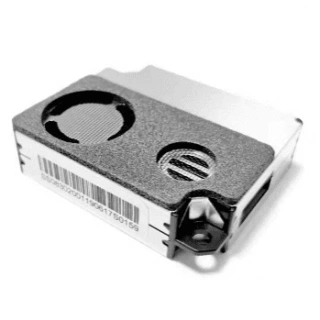
- Jun 02, 2026Optical dust sensors are essential devices for monitoring airborne particulate matter and improving air quality management. Using infrared or laser light-scattering technology, these sensors detect dust, smoke, pollen, and other particles in real time. Infrared sensors offer cost-effective monitoring solutions, while laser sensors provide higher accuracy and can measure PM1.0, PM2.5, and PM10 concentrations. Widely used in environmental monitoring, industrial facilities, air purifiers, smart buildings,...
- May 29, 2026Carbon dioxide (CO₂) monitoring is vital for maintaining healthy indoor air and optimizing industrial processes. Non-Dispersive Infrared (NDIR) sensors dominate the market due to their high accuracy, long lifespan, and low maintenance, while electrochemical and solid-state sensors offer cost-effective alternatives with trade-offs in precision. CO₂ sensors are widely applied in HVAC systems, smart buildings, greenhouses, automotive cabins, and industrial safety to ensure comfort, energy efficiency,...
- May 26, 2026Air quality monitoring sensors are essential technologies that detect and measure airborne pollutants such as particulate matter, harmful gases, volatile organic compounds, temperature, and humidity in real time. These systems are widely used in residential, commercial, industrial, and environmental applications to improve air quality, protect public health, and ensure regulatory compliance. With advances in IoT connectivity, smart analytics, and sensor technology, modern air quality monitoring...
- May 22, 2026Formaldehyde sensors are widely used devices designed to detect and measure formaldehyde gas levels in indoor and industrial environments. As formaldehyde is a harmful volatile compound found in building materials and household products, monitoring its concentration is essential for health and safety. These sensors are increasingly integrated into smart homes, HVAC systems, industrial workplaces, and environmental monitoring networks. Driven by rising awareness of indoor air quality, stricter regulations,...
- May 18, 2026Sensors are essential components in modern industrial and electronic systems, enabling accurate monitoring of temperature, pressure, motion, infrared radiation, and particle concentration. This article explores major sensor types, including accelerometer, temperature, infrared, pressure, and particle sensors, along with their operating principles and applications across industries such as automotive, healthcare, aerospace, environmental monitoring, and industrial automation. With the growth of IoT,...
- May 15, 2026RoHS sensors are environmentally compliant sensing devices designed to meet international regulations restricting hazardous substances in electronic equipment. Widely used in industrial automation, automotive systems, consumer electronics, healthcare devices, smart buildings, and environmental monitoring, these sensors provide reliable performance while supporting sustainable manufacturing practices. RoHS-compliant sensors use lead-free materials, advanced semiconductor technologies, and eco-friendly...
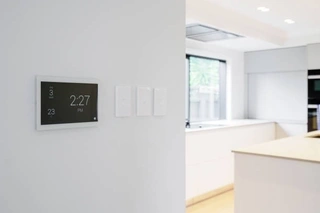
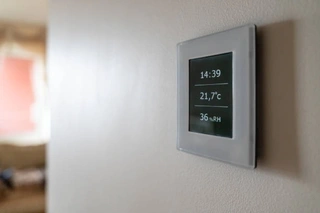
- May 12, 2026Wall humidity sensors are essential components of modern building automation systems, providing continuous monitoring of indoor moisture levels. By delivering real-time data, they enable intelligent HVAC control that improves energy efficiency and maintains optimal indoor comfort. These sensors help prevent mold and mildew growth by detecting excess humidity early, protecting both building structures and occupants' health. Widely used in residential, commercial, and industrial environments,...
- May 08, 2026Indoor PM2.5 dust sensors are advanced air quality monitoring devices designed to detect fine particulate matter in indoor environments. Using laser or optical sensing technology, these sensors provide real-time data on airborne pollution levels, helping improve health, safety, and indoor comfort. Widely used in homes, offices, hospitals, HVAC systems, air purifiers, and smart buildings, PM2.5 sensors support intelligent ventilation and energy-efficient environmental control. With advancements in...
- Apr 28, 2026This article explores the growing importance of air quality monitors in managing indoor and outdoor environmental health. Modern monitors detect pollutants such as PM2.5, CO2, VOCs, temperature, and humidity in real time, helping users improve safety, comfort, and well-being. Smart air quality monitoring systems integrate with HVAC equipment, air purifiers, and mobile apps for automated control and data tracking. Widely used in homes, offices, schools, hospitals, and factories, these devices support...
- Apr 24, 2026Air purifier sensors play a vital role in monitoring and improving indoor air quality by detecting pollutants such as particulate matter, VOCs, carbon dioxide, and formaldehyde in real time. These sensors enable intelligent control of air purifiers, automatically adjusting filtration performance to maintain clean and healthy environments. Widely used in homes, offices, healthcare, and industrial settings, they enhance energy efficiency and user convenience. With advancements in smart technology...
- Apr 21, 2026This article explains how to choose an air quality monitor by understanding key pollutants and environmental factors affecting health, including PM2.5, VOCs, CO₂, NO₂, ozone, temperature, humidity, and pressure. It compares indoor and outdoor monitoring, highlighting different pollutant sources and applications. The guide also covers key selection criteria such as sensor accuracy, real-time data, smart connectivity, and suitability for specific environments. Overall, air quality monitors help users...
- Apr 17, 2026Smoke detection sensors are essential components of modern fire safety systems, designed to identify early signs of combustion and provide timely warnings. Utilizing technologies such as photoelectric and ionization sensing, these devices effectively detect both smoldering and fast-flaming fires. Widely used in residential, commercial, industrial, and infrastructure applications, smoke detectors play a critical role in protecting lives and property. Recent advancements, including smart connectivity,...