
Our Products
Our Applications
News
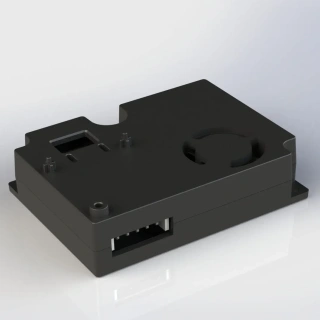
- Feb 18, 2026Laser particle sensors are advanced optical devices that detect and measure airborne particles with high precision, transforming air quality monitoring across industrial, environmental, and consumer applications. Using laser scattering technology, these sensors provide real-time data on particle size, concentration, and distribution, enabling proactive management of indoor air, industrial emissions, cleanrooms, and urban environments. Their integration into smart systems, IoT devices, and ventilation...
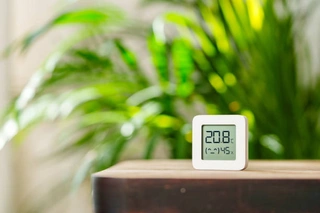
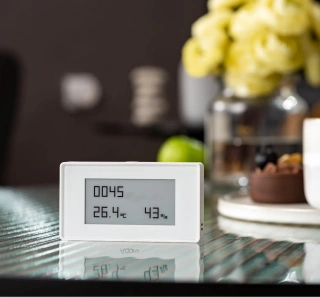
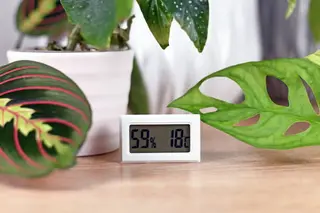
- Feb 13, 2026Indoor temperature and humidity monitors play a vital role in maintaining comfortable, healthy, and efficient indoor environments. By measuring both temperature and moisture levels, these devices provide accurate real-time data and long-term insights that help users manage air quality, protect equipment, and prevent structural damage. They are widely used in homes, healthcare facilities, industries, and commercial buildings to ensure optimal environmental conditions and regulatory compliance. Key...
- Feb 09, 2026Choosing the right air purifier is essential for improving indoor air quality and addressing specific health concerns such as allergies, asthma, and respiratory issues. This guide explores key factors to consider when selecting an air purifier, including filter types like HEPA and activated carbon, which target dust, allergens, smoke, and odors. It also highlights the importance of energy efficiency, room size, fan speed, and noise levels. Whether you’re seeking a purifier for a large room,...
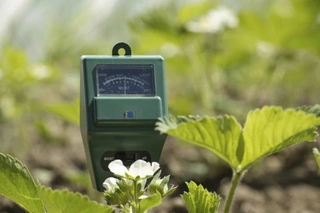
- Feb 04, 2026Soil moisture sensors are essential tools in modern agriculture, providing accurate, real-time measurements of soil water content to optimize irrigation and conserve water. By detecting changes in electrical resistance or capacitance, these sensors convert soil moisture levels into electrical signals, enabling both analog and digital outputs for precise monitoring or automated irrigation control. Widely used in precision farming, greenhouses, landscaping, and home gardening, they improve crop health,...
- Jan 30, 2026Infrared PM2.5 sensors are transforming air quality monitoring by providing affordable, compact, and energy-efficient solutions for homes, offices, industrial environments, and smart cities. Utilizing infrared light scattering principles, these sensors detect fine particulate matter, allowing real-time monitoring of PM2.5 concentrations. Their low power consumption, small form factor, and ease of integration make them ideal for consumer electronics, indoor air quality devices, industrial safety...
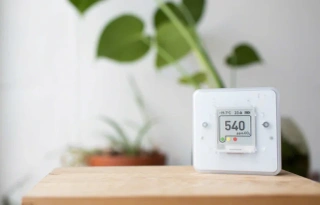
- Jan 26, 2026CO₂ air quality sensors are essential tools for monitoring and maintaining healthy indoor and outdoor environments. By measuring carbon dioxide concentrations in real time, these sensors provide critical data for optimizing ventilation, improving occupant comfort, and enhancing productivity. Modern sensors, such as NDIR-based modules, offer high accuracy, long service life, low power consumption, and digital connectivity for integration into HVAC systems, smart buildings, and IoT networks. Applications...
- Jan 23, 2026Total Volatile Organic Compounds (TVOCs) are key indicators of indoor air quality, originating from everyday materials, cleaning products, building materials, and electronic devices. Elevated TVOC levels can cause health issues, discomfort, and long-term risks, making monitoring essential. TVOC air quality sensors provide real-time detection, enabling users to track and manage indoor environments effectively. Modern sensors utilize technologies such as metal oxide semiconductors and photoionization...
- Jan 20, 2026Temperature and humidity sensors have become indispensable in modern monitoring systems as industries advance toward automation, digitalization, and sustainability. Evolving from basic measuring devices into intelligent, IoT-connected instruments, these sensors deliver high accuracy, long-term stability, and real-time environmental data. They play a critical role across applications including industrial manufacturing, smart buildings, data centers, healthcare, food logistics, and agriculture, ensuring...
- Jan 16, 2026Formaldehyde (CH₂O) is a widespread indoor pollutant released from building materials, furniture, and household products, posing serious health risks even at low concentrations. This article examines the growing importance of formaldehyde gas sensors in protecting indoor air quality across residential, commercial, healthcare, and industrial environments. It explains key sensing technologies, including electrochemical, MOS, and optical methods, and highlights critical performance factors such as...
- Jan 12, 2026Commercial indoor air quality (IAQ) monitoring is becoming a strategic priority for businesses seeking healthier, safer, and more productive environments. Driven by post-pandemic awareness, regulatory guidance, and sustainability goals, organizations across offices, healthcare, education, retail, and industry are adopting smart sensor technologies to track pollutants, ventilation, temperature, and humidity in real time. These systems support risk reduction, compliance, energy efficiency, and employee...
- Jan 09, 2026IoT sensors form the foundation of connected systems by collecting real-time data from physical environments and converting it into actionable digital information. Measuring variables such as temperature, pressure, motion, and air quality, these sensors enable automation, predictive maintenance, and data-driven decision-making across industries. Integrated with microcontrollers, connectivity modules, and cloud or edge platforms, IoT sensors support smarter manufacturing, healthcare, transportation,...
- Jan 05, 2026Smart air quality monitors are transforming commercial indoor environments by providing real-time data on pollutants, temperature, humidity, and ventilation efficiency. Widely used in offices, schools, hospitals, retail spaces, and industrial facilities, these devices help protect occupant health, enhance productivity, and ensure regulatory compliance. Advanced sensors, IoT connectivity, and AI-powered analytics enable proactive air quality management, automated HVAC adjustments, and energy optimization....